The Best Natural Deodorants for Sensitive Skin: Ingredients to Look For and Avoid
By Saltandstoneonline | Published: 2026-05-30
Category: How-to Guides
Discover the best natural deodorants for sensitive skin, including key ingredients to seek and avoid. Learn how to choose an aluminum-free deodorant that works without irritation.
Finding a natural deodorant that keeps you fresh without causing redness, itching, or stinging can feel like a never-ending search. If you have sensitive skin, you know the struggle: one product works for a week, then suddenly your underarms react. The good news? The right formula exists. By understanding which ingredients soothe and protect—and which ones trigger reactions—you can finally find a natural deodorant for sensitive skin that genuinely works. In this deodorant buying guide, we’ll break down what to look for, what to avoid, and how to make the switch smoothly.
Why Natural Deodorants Are Better for Sensitive Skin
Conventional deodorants and antiperspirants often contain aluminum compounds, synthetic fragrances, parabens, and propylene glycol. For sensitive skin, these ingredients can be major irritants. Aluminum-based antiperspirants block sweat ducts, which can lead to inflammation, while synthetic fragrances often cause allergic contact dermatitis. Natural deodorants, on the other hand, focus on neutralizing odor with gentle, plant-based ingredients. They allow your skin to breathe and sweat naturally—without harsh chemicals. Switching to an aluminum-free deodorant is a top recommendation from dermatologists for those with reactive skin.
Ingredients to Look For in a Natural Deodorant for Sensitive Skin
Not all natural deodorants are created equal. Some still use essential oils or baking soda that can irritate sensitive skin. Here are the ingredients that are both effective and gentle.
1. Magnesium Hydroxide
This is a superstar for sensitive skin. Unlike baking soda, which can be too alkaline and cause burns or rashes, magnesium hydroxide is pH-neutral and soothing. It neutralizes odor-causing bacteria without disrupting your skin’s natural barrier. Many top-rated natural deodorants now use magnesium as their primary active ingredient.
2. Coconut Oil
Coconut oil has natural antimicrobial properties that help fight odor. It’s also deeply moisturizing, which is especially helpful if your underarms are dry or irritated from shaving. Look for products that list coconut oil early in the ingredients—it melts into the skin and leaves a light, non-greasy feel.
3. Shea Butter or Cocoa Butter
These emollients soothe and protect the delicate underarm area. They create a barrier that locks in moisture while allowing the skin to breathe. For those with eczema or dermatitis, shea butter is a gentle, healing choice.
4. Arrowroot Powder or Tapioca Starch
These plant-based powders absorb moisture without clogging pores or causing irritation. They’re a safer alternative to cornstarch (which can feed yeast) and aluminum. Arrowroot keeps you dry while feeling silky soft on application.
5. Aloe Vera
Aloe vera is famous for its cooling and anti-inflammatory properties. It calms redness and helps repair irritated skin. If your current deodorant leaves your underarms feeling hot or prickly, look for one with aloe vera gel.
Ingredients to Avoid in a Deodorant for Sensitive Skin
Even “natural” deodorants can contain irritants. Here’s what to skip.
1. Baking Soda (Sodium Bicarbonate)
Baking soda is a common natural deodorant ingredient because it neutralizes odor. However, it has a high pH (around 8-9), which can disrupt the skin’s natural acidic mantle. For sensitive skin, this often leads to red, bumpy, or burning rashes. If you’ve tried a natural deodorant before and had a reaction, baking soda is likely the culprit. Many brands now offer “sensitive skin” formulas that are baking soda-free.
2. Essential Oils (Especially Citrus and Peppermint)
While essential oils are natural, they are potent allergens. Lavender, tea tree, peppermint, and citrus oils (like bergamot or lemon) are common triggers for contact dermatitis. If your skin is reactive, choose a deodorant that is fragrance-free or uses only mild, low-irritant oils like chamomile or vanilla. Some people tolerate essential oils in small amounts, but it’s safer to start with unscented.
3. Propylene Glycol
This is a synthetic humectant often used in conventional deodorants to help ingredients penetrate the skin. It’s a known irritant for many people and can cause stinging, redness, and allergic reactions. Always check the label—propylene glycol appears under many names, including “propanediol.”
4. Stearyl Alcohol or Cetyl Alcohol (in High Concentrations)
While not always problematic, some fatty alcohols can cause breakouts or irritation in sensitive individuals. If you notice clogged pores or bumps after using a deodorant stick, try a cream or gel formula instead.
How to Transition to a Natural Deodorant Without Irritation
Switching from an antiperspirant to a natural deodorant often involves a “detox” period. Here’s how to do it smoothly.
- Start on a weekend when you can stay home. Your body may sweat more initially as it adjusts.
- Apply at night before bed. Deodorant works best on clean, dry skin, and applying it at night gives it time to absorb while you sleep.
- Exfoliate gently once a week using a soft washcloth to remove dead skin cells and product buildup.
- Use a patch test first: apply a small amount on your inner arm for two days to check for reactions.
- Be patient. It can take 2–4 weeks for your microbiome to rebalance. During this time, you may notice more odor or wetness, but it will settle.
Our Top Pick for Sensitive Skin: The Salt & Stone Deodorant
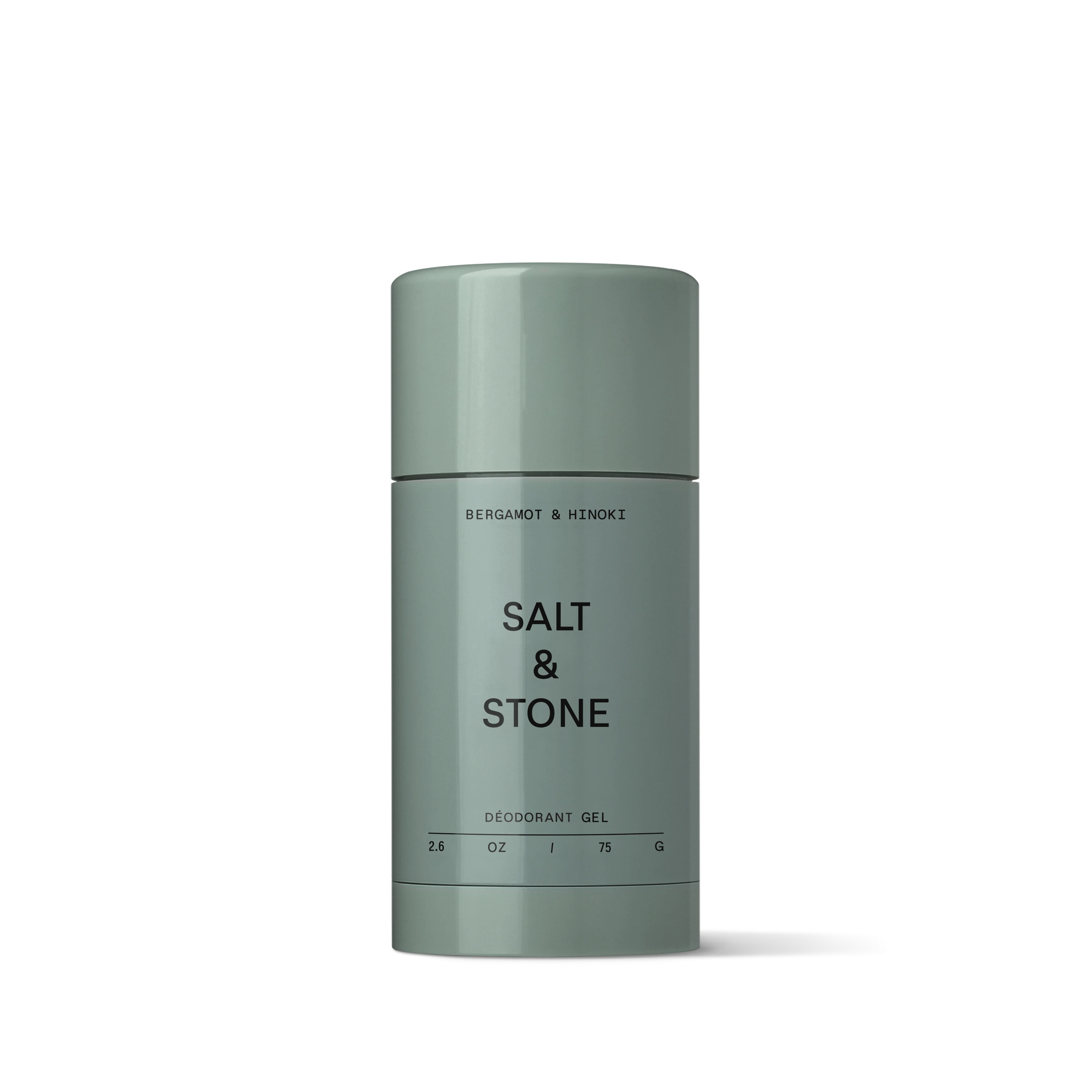
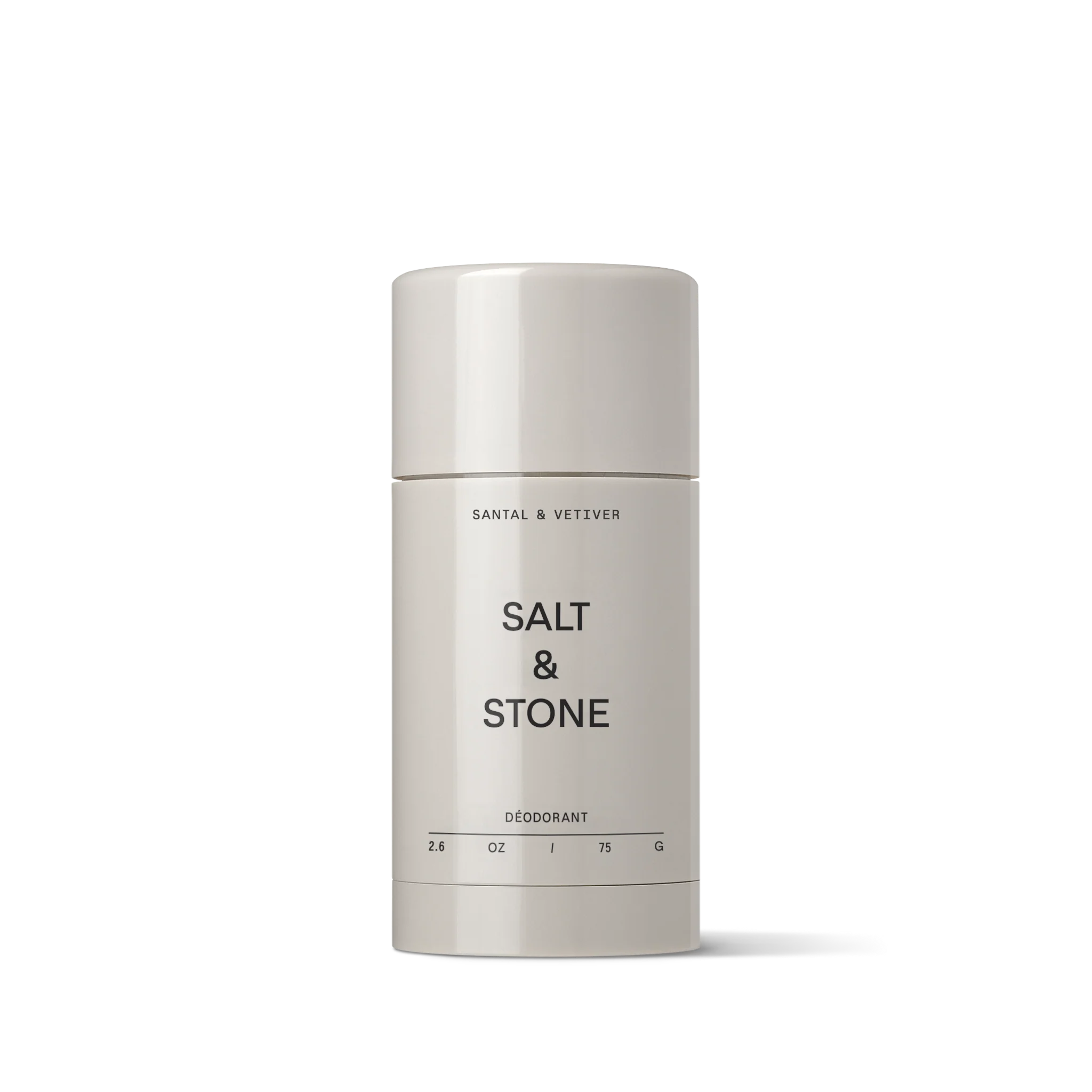
After testing dozens of natural deodorants, we recommend the Salt & Stone Deodorant for its gentle yet effective formula. It’s baking soda-free, uses magnesium hydroxide to neutralize odor, and is infused with soothing aloe vera. The subtle, natural scent comes from low-irritant essential oils—not synthetic fragrances. Plus, it’s packaged in a sustainable, plastic-free tube that glides on smoothly without leaving white marks on dark clothing. If you’re looking for the best deodorant for sensitive skin, this is it.
How to Test Scents Before Committing
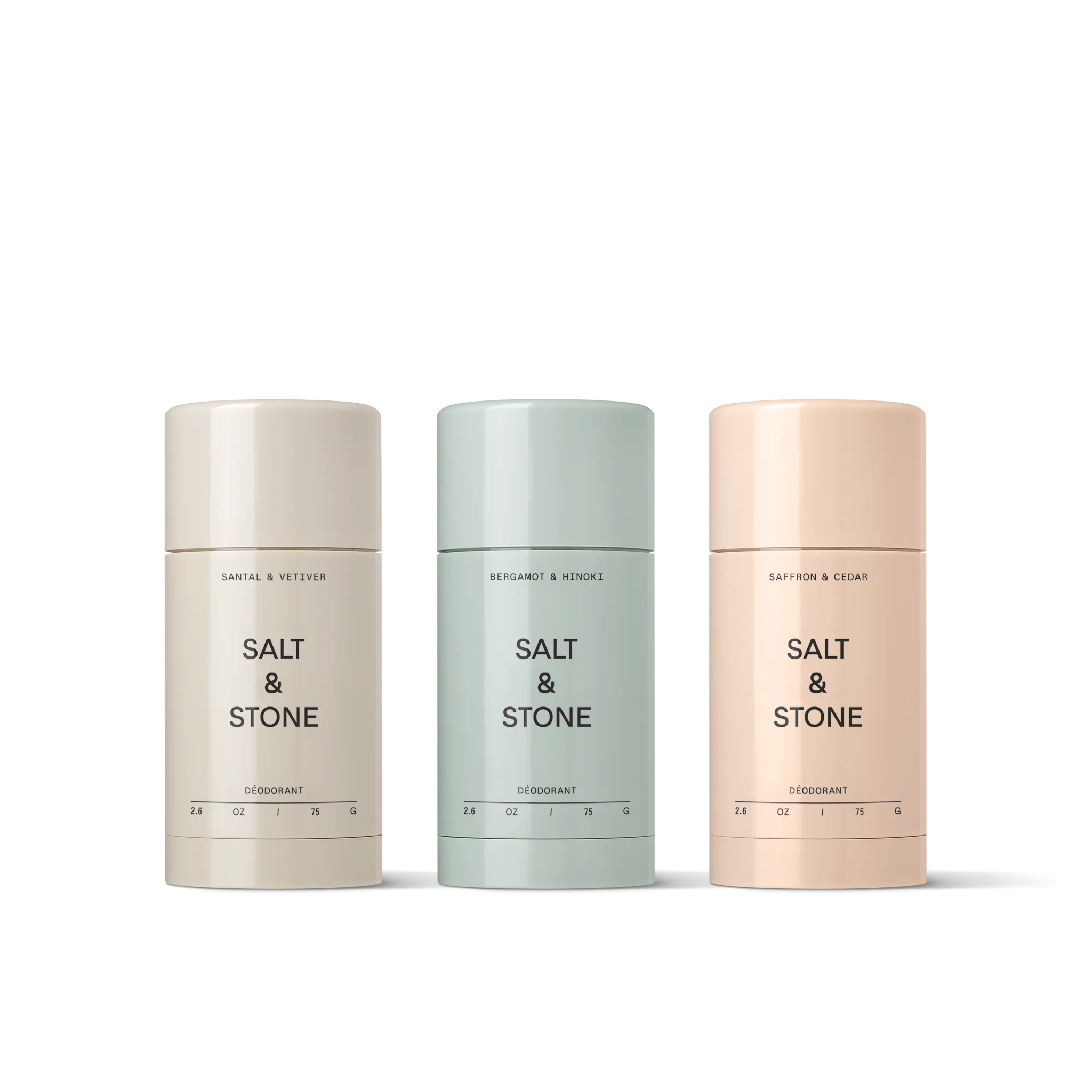
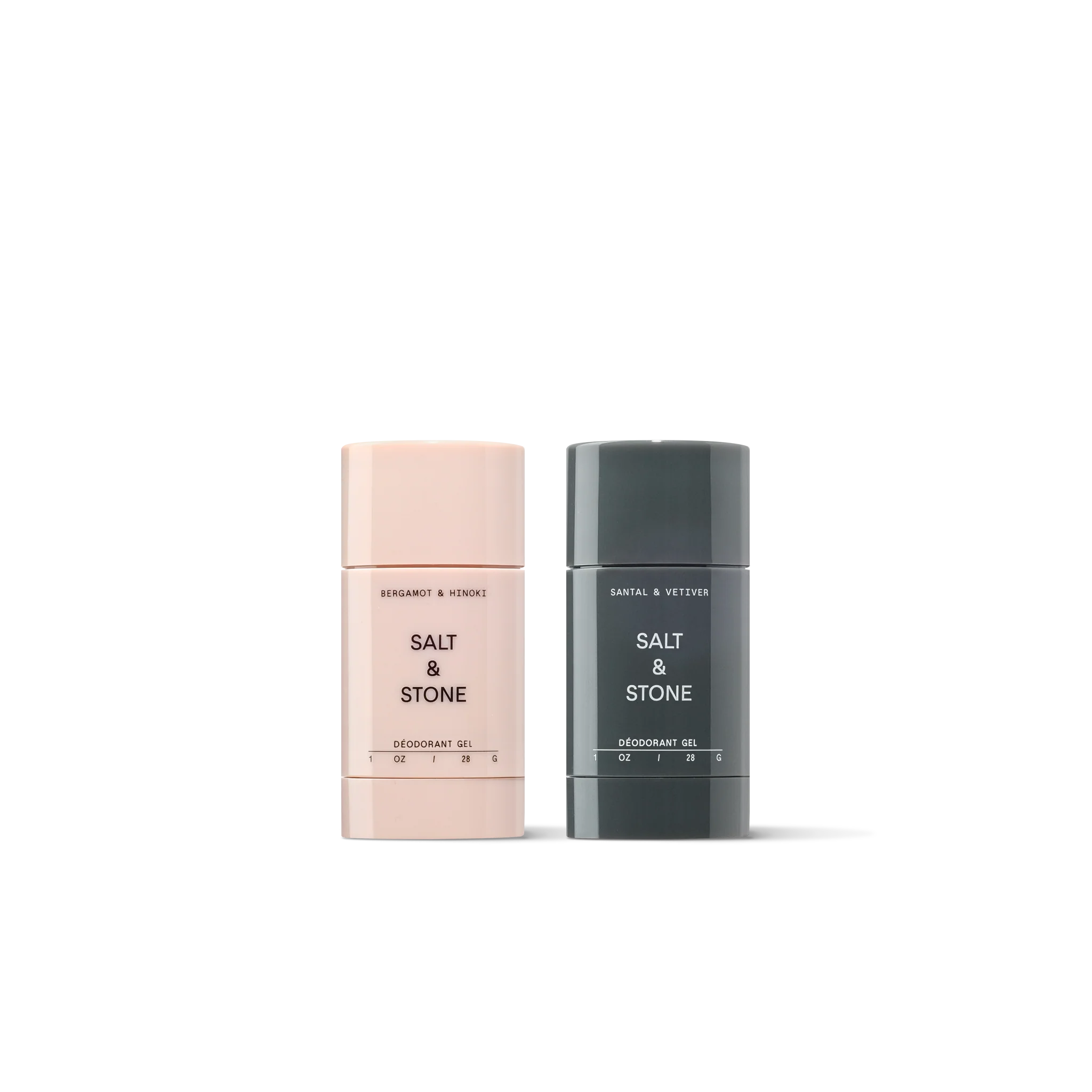
If you’re unsure which fragrance works for your skin, start with a discovery set. The Mini Deodorant Discovery Set lets you try three different scents in travel-friendly sizes. This way, you can test each one for a few days without buying a full-size product that might not work. It’s a smart, low-risk way to find your perfect match—especially if you have sensitive skin that might react to certain essential oils.
Additional Tips for Managing Sensitive Underarm Skin
- Moisturize your underarms with a fragrance-free lotion after showering. But wait until the lotion is fully absorbed before applying deodorant.
- Avoid shaving right before applying deodorant. Shaving creates micro-cuts that can sting when product is applied. Shave at night, then apply deodorant in the morning.
- Wear breathable fabrics like cotton or bamboo to reduce sweat and friction.
- Consult a dermatologist if you have persistent redness, bumps, or pain. You might have a condition like hidradenitis suppurativa or contact dermatitis that needs medical care.
When to Choose a Deodorant Over an Antiperspirant
If you have sensitive skin, deodorants are almost always the safer choice. Antiperspirants work by blocking sweat glands with aluminum salts, which can cause irritation and inflammation. Deodorants simply neutralize odor without interfering with your body’s natural cooling mechanism. For most people with sensitive skin, an aluminum-free deodorant provides adequate odor protection without the side effects. If you’re very active or prone to heavy sweating, look for a “clinical strength” natural deodorant—but always check the ingredient list for potential irritants.
Final Thoughts: Your Skin Deserves a Gentle Routine
Finding the right natural deodorant for sensitive skin takes a little trial and error, but the payoff is huge. No more stinging, no more red rashes, and no more worrying about what you’re putting on your body. By focusing on gentle, proven ingredients like magnesium hydroxide, coconut oil, and arrowroot powder—and avoiding baking soda, synthetic fragrances, and propylene glycol—you can stay fresh and comfortable all day long.
Ready to make the switch? Start your journey with the Salt & Stone Deodorant, a carefully formulated option that respects even the most reactive skin. Or explore the Mini Deodorant Discovery Set to find your signature scent without the guesswork. Your underarms will thank you.