Body Cream vs. Body Butter: Which Rich Moisturizer Is Right for Your Skin? A Detailed Comparison
By Saltandstone | Published: 2026-06-18
Category: Product Reviews
Discover the key differences between body cream and body butter. Compare texture, hydration depth, and ingredients to find the best rich moisturizer for dry skin.
When your skin craves deep, lasting hydration, two heavyweights step into the ring: body cream and body butter. Both promise to soothe dry, thirsty skin, but they deliver moisture in very different ways. If you have ever stood in front of a shelf wondering which dense moisturizer to choose, you are not alone. Understanding the nuances between a whipped body butter and a rich body cream can transform your daily routine from adequate to exceptional. In this detailed comparison, we will break down texture, ingredients, absorption speed, and best-use scenarios so you can confidently pick the product that matches your skin’s unique needs.
What Is Body Cream?
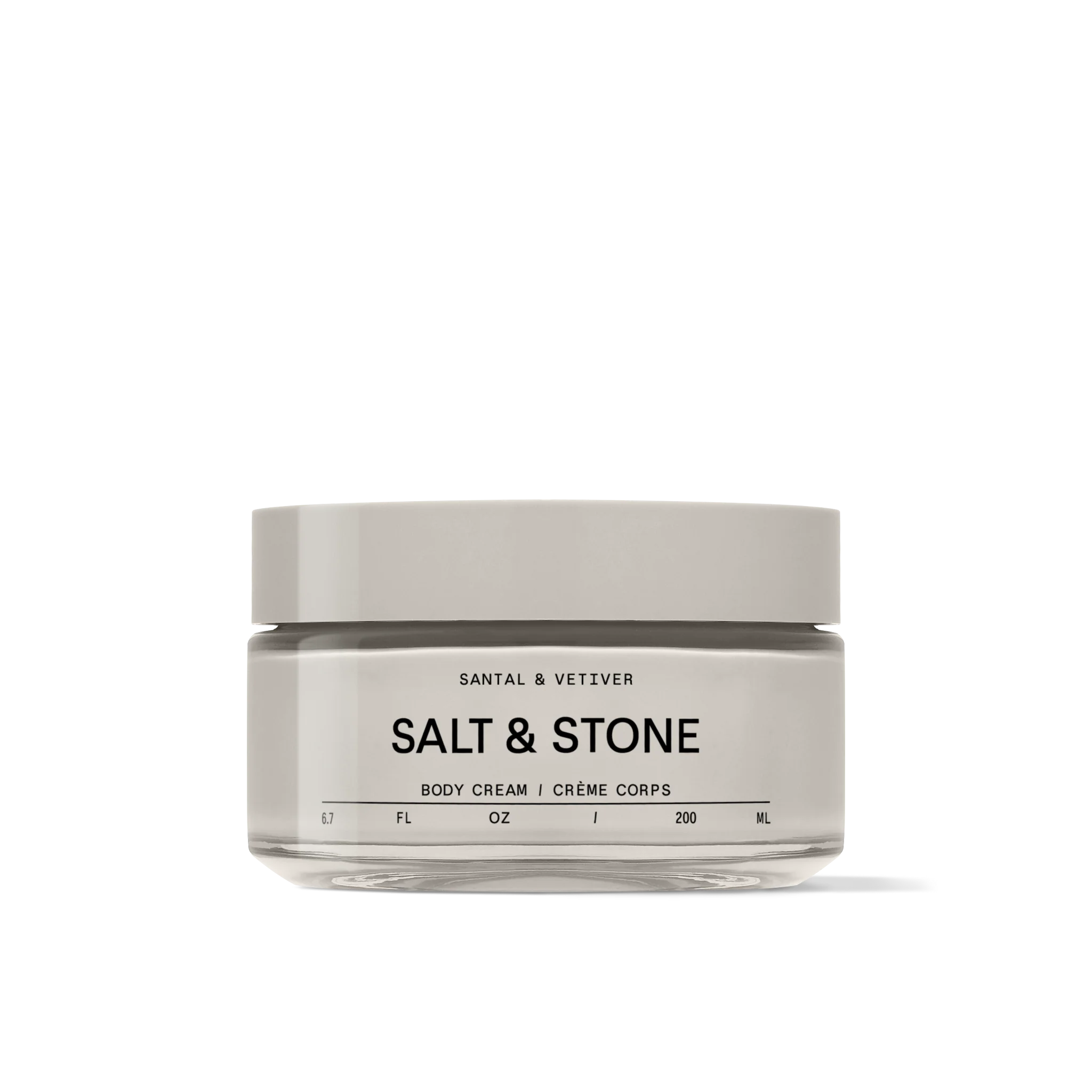
Body cream is a thick, emollient-rich moisturizer that sits between a lotion and a butter in terms of consistency. It typically contains a higher concentration of oils and humectants than body lotion, making it ideal for normal to dry skin. Body creams often feature ingredients like shea butter, glycerin, and ceramides to lock in moisture without feeling excessively greasy.
Key Characteristics of Body Cream
- Texture: Creamy and spreadable, often with a smooth, silky finish.
- Absorption: Absorbs relatively quickly, leaving skin soft but not overly slick.
- Hydration Level: Moderate to high; excellent for daily use on dry areas like elbows and knees.
- Best For: Normal, combination, or mildly dry skin types.
What Is Body Butter?
Body butter is a semi-solid, ultra-rich moisturizer made from concentrated natural butters such as shea, cocoa, or mango butter. It has a thicker, denser consistency than cream and often contains minimal water content. Body butters are designed to provide intense, long-lasting hydration for very dry or compromised skin.
Key Characteristics of Body Butter
- Texture: Thick, balm-like, and often needs to be warmed in palms before application.
- Absorption: Slower to absorb; leaves a protective, occlusive layer on the skin.
- Hydration Level: Very high; ideal for extreme dryness, cold weather, or overworked skin.
- Best For: Dry, very dry, or mature skin; also great for heels, hands, and rough patches.
Texture and Absorption: A Head-to-Head Comparison
The most immediate difference you will notice between body cream and body butter is how they feel during and after application. Body creams have a lighter, more airy texture that glides onto skin and sinks in within a minute or two. They are perfect for morning routines when you need hydration without a wait time. In contrast, body butters require a bit more patience. Because they are formulated with high concentrations of solid fats, they melt at body temperature and create a rich, occlusive barrier. This barrier prevents moisture loss throughout the day but can leave a slight residue on clothing if applied too heavily.
Which One Absorbs Faster?
If you value speed and convenience, body cream is the clear winner. You can apply it after a shower and get dressed almost immediately. If you prefer a spa-like ritual and do not mind waiting a few extra minutes, body butter offers a more indulgent, deeply nourishing experience. Many people use body cream on their whole body and reserve body butter for extra-dry zones like feet, hands, and cuticles.
Ingredients Deep Dive: What’s Inside Each Formula?
The ingredient list tells the real story. Body creams typically combine water, oils, and emulsifiers to create a stable, pourable product. They often include humectants like glycerin or hyaluronic acid to draw moisture into the skin, plus lighter emollients such as almond oil or jojoba oil. Body butters, on the other hand, are built around solid butters and may contain little to no water. This makes them more concentrated and often free of synthetic preservatives.
Common Ingredients in Body Cream
- Shea butter (in smaller amounts)
- Glycerin
- Aloe vera
- Lightweight oils (grape seed, sunflower)
- Ceramides or peptides
Common Ingredients in Body Butter
- Shea butter, cocoa butter, or mango butter (primary base)
- Coconut oil or avocado oil
- Vitamin E
- Essential oils or natural fragrances
For those with sensitive skin or a preference for minimal ingredients, body butters often win. However, body creams offer a more balanced formulation that hydrates without feeling heavy. Brands like Saltandstone craft both formats with high-quality natural ingredients, ensuring you get effective nourishment regardless of your choice.
When to Choose Body Cream Over Body Butter (and Vice Versa)
Your decision should hinge on your skin type, lifestyle, and the season. Here is a quick guide:
| Scenario | Best Choice | Why |
|---|---|---|
| Daily moisture for normal skin | Body Cream | Lightweight, absorbs fast, layers well under clothes. |
| Extreme dryness or winter weather | Body Butter | Ultra-rich, seals in moisture, protects against cold air. |
| Post-shower ritual | Either (cream for speed, butter for luxury) | Cream dries quickly; butter needs time to melt in. |
| Targeting cracked heels or hands | Body Butter | Concentrated, intensive repair for rough patches. |
| Warm, humid climate | Body Cream | Lighter feel, less likely to clog pores. |
If you are new to rich moisturizers, you might start with a body cream and see how your skin responds. Many people find that their skin changes with the seasons, and a versatile routine includes both options. For example, you could use a body cream daily and switch to a body butter as a weekly intensive treatment.
How to Layer Body Cream and Body Butter for Maximum Results
Believe it or not, you do not have to choose just one. Layering these products can give you the best of both worlds. Here is a simple method:
- Start with damp skin: Apply your body cream right after a shower while skin is still slightly moist. This locks in surface hydration.
- Seal with body butter: On extra-dry areas (elbows, knees, heels), follow up with a thin layer of body butter to create a protective barrier.
- Let it absorb: Give each layer a minute to sink in before dressing.
This technique is especially useful during colder months when indoor heating strips moisture from the air. It also works beautifully before bedtime, allowing the butters to work overnight.
Which One Fits Your Self-Care Routine?
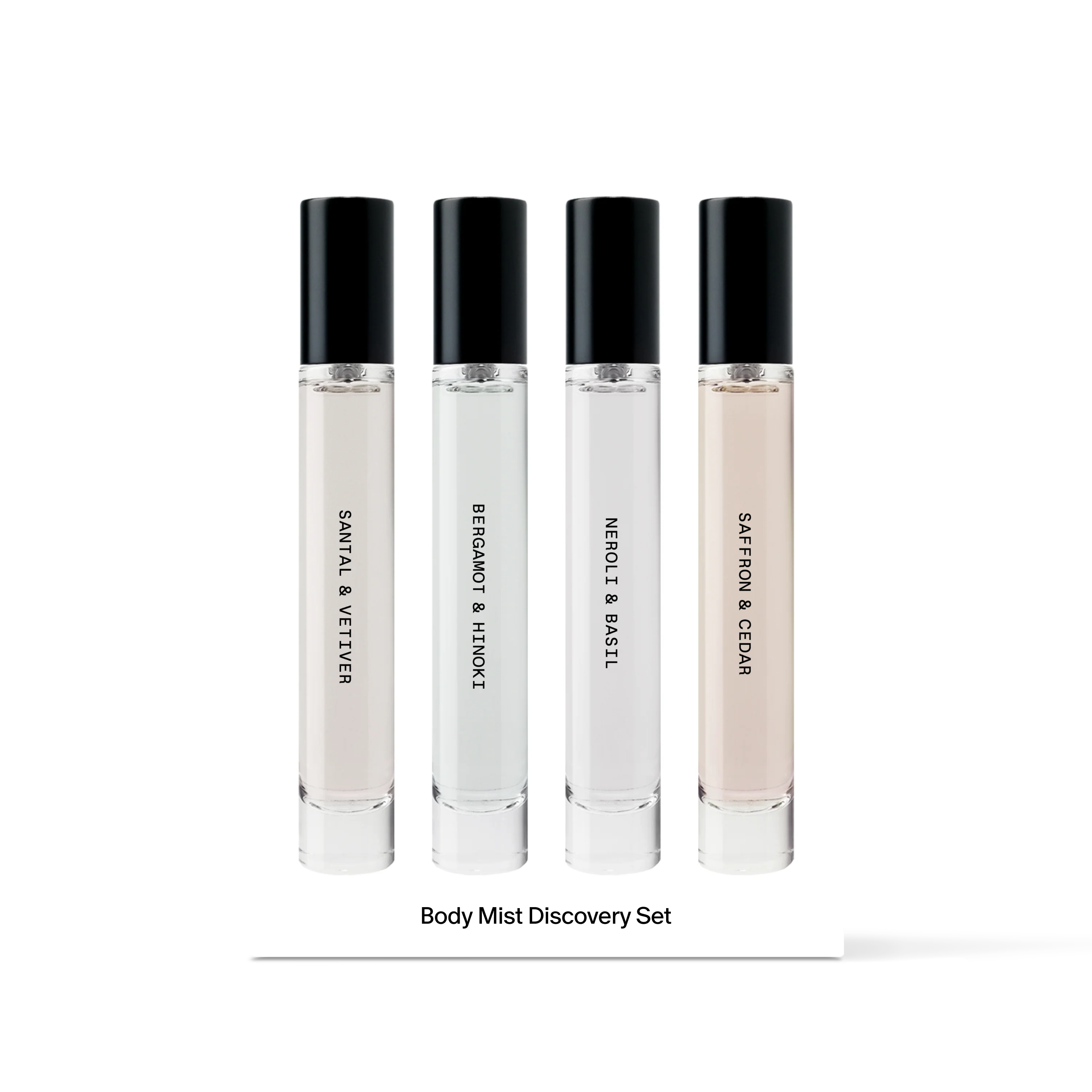
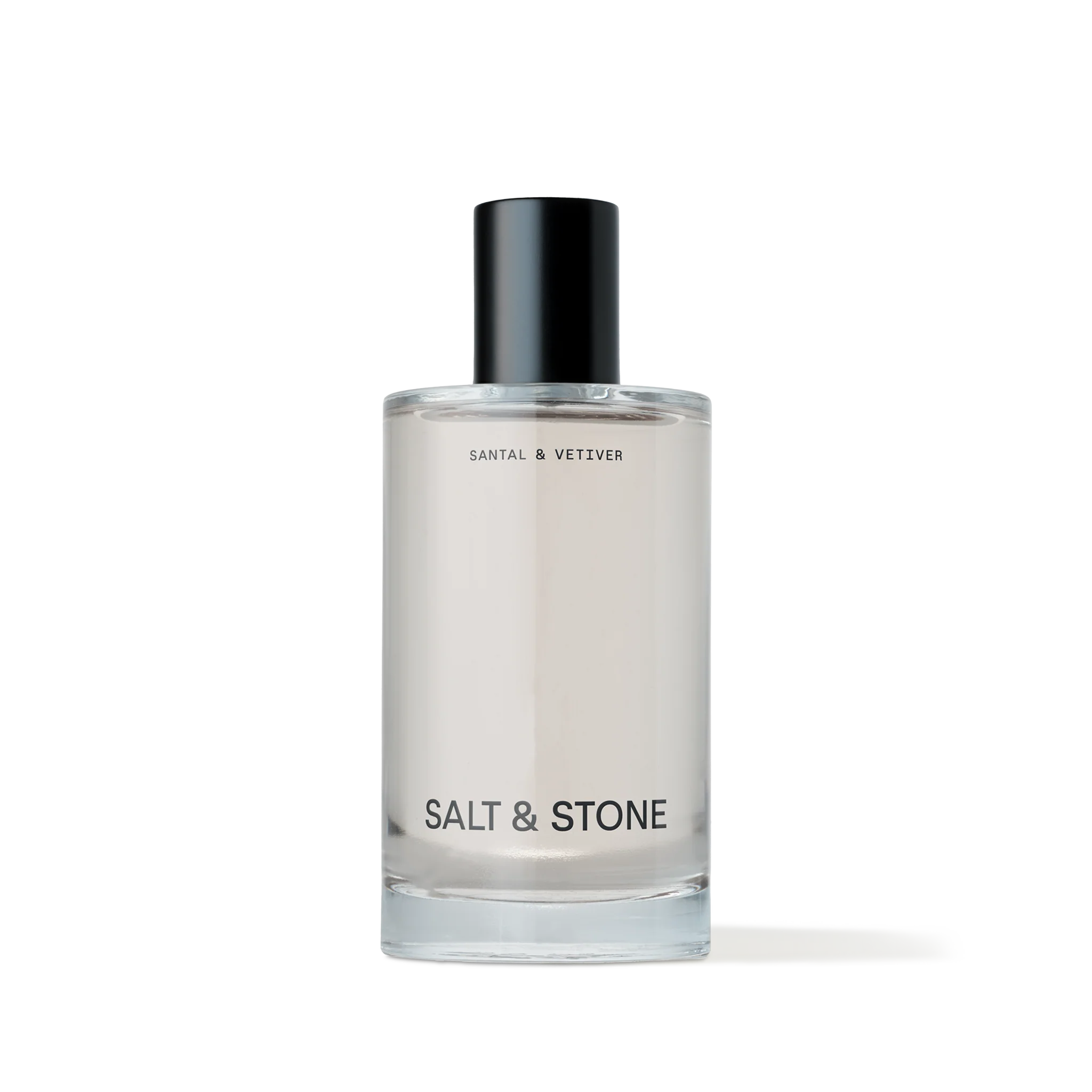
Your choice also depends on the kind of sensory experience you want. Body creams often come in a wider range of scents and lighter textures, making them ideal for daytime wear. Body butters, with their deep, grounding aroma and rich feel, are perfect for winding down in the evening. At Saltandstone, you can explore both worlds. The Body Oil offers a lighter alternative that still provides deep nourishment, while the Body Mist complements any moisturizer with a refreshing burst of fragrance. For a complete ritual, consider pairing a cream with your favorite mist for a layered scent.
Common Myths About Body Cream and Body Butter
Let us clear up a few misconceptions:
- Myth: Body butter is always better for dry skin. Truth: While body butter is richer, some body creams are formulated with potent humectants and can be equally effective for mild dryness.
- Myth: Body creams are not hydrating enough. Truth: Many modern body creams use advanced delivery systems to provide long-lasting moisture without the weight.
- Myth: Body butters clog pores. Truth: Non-comedogenic butters like shea have a low comedogenic rating and are safe for most skin types.
Always check the ingredient list rather than relying on the product name alone. Some products labeled “body butter” may actually be lighter formulations, and vice versa.
Final Verdict: Which One Should You Buy?
There is no universal winner—only what works best for your skin. If you crave a fast-absorbing, everyday moisturizer that leaves skin soft and scented, a body cream is your go-to. If your skin feels tight, flaky, or constantly dry, especially in winter, a body butter will deliver the rescue you need. The best approach is to keep both in your rotation. Use cream for maintenance and butter for repair.
Ready to upgrade your body care routine? Explore the Body Oil at Saltandstone—a versatile, silky formula that bridges the gap between cream and butter, giving you deep hydration with a lightweight feel. Your skin deserves the perfect match.