Body Cream vs. Hand Cream: A Complete Guide to Maximum Skin Hydration
By Saltandstone | Published: 2026-06-19
Category: How-to Guides
Discover the key differences between body cream and hand cream, when to use each for optimal hydration, and how to layer them with body mist and deodorant for all-day softness.
When your skin feels dry, reaching for any moisturizer seems like a quick fix. But have you ever asked yourself whether a body cream is actually the best choice for your hands, or if a hand cream can substitute for full-body hydration? The answer, as it turns out, depends on skin thickness, ingredient concentration, and how your skin behaves in different areas. In this guide, we break down the differences between body cream and hand cream, when to use each for maximum absorption, and how to build a targeted hydration routine that works from head to toe.
Why Hands and Body Need Different Moisturizers
Your hands are exposed to more environmental stress than almost any other part of your body—frequent washing, sanitizers, cold air, and UV rays. The skin on your palms is thicker and contains fewer sebaceous glands, meaning it produces less natural oil. That’s why a lightweight body lotion often evaporates quickly from hands, leaving them feeling tight again within an hour.
Body creams, on the other hand, are formulated for larger surface areas with thinner skin that tends to be less reactive. They typically contain lighter emollients (like glycerin or squalane) that spread easily and absorb fast. Using a thick hand cream all over your body can feel greasy and may clog pores, especially on the chest or back.
Body Cream vs. Hand Cream: Key Differences at a Glance
| Feature | Body Cream | Hand Cream |
|---|---|---|
| Skin thickness | Thinner, more delicate | Thicker, more resilient |
| Oil content | Moderate (15–25% oil) | Higher (25–40% oil) |
| Absorption speed | Fast to moderate | Slower, more protective |
| Best for | All-over moisture after shower | Targeted repair, cuticles, dry patches |
| Fragrance intensity | Often lighter or unscented | Can be more concentrated |
When to Use Body Cream for Maximum Hydration
Body cream is your go-to for post-shower moisturizing. Apply it within three minutes of drying off to lock in water and keep your skin barrier supple. Look for ingredients like shea butter, ceramides, or oat extract if you have dry skin, or lighter oils like jojoba if you tend to get oily in summer.
For a complete daily ritual, pair your body cream with a complementary body mist. The Body Mist Discovery Set lets you experiment with different fragrances while your cream seals in hydration. Many people find that layering a mist over a cream extends the scent life without overwhelming the senses.
Best Practices for Body Cream Application
- Use a generous amount (about a quarter-sized dollop per limb)
- Massage in upward, circular motions to boost circulation
- Avoid areas prone to breakouts (chest, back) if the cream is very rich
- Reapply after swimming, showering, or heavy sweating
When to Use Hand Cream for Targeted Repair
Hand cream is a rescue product for dry, cracked, or aging hands. Its thicker consistency creates a protective film that shields against moisture loss. If you wash your hands more than ten times a day, keep a hand cream at your desk or sink and apply after every wash.
Many hand creams also contain humectants like hyaluronic acid or glycerin that draw water into the skin, combined with occlusives like beeswax or lanolin that seal it in. For best results, apply a pea-sized amount to the back of each hand and the cuticles, avoiding the palms unless they are very dry.
Signs Your Hands Need a Dedicated Hand Cream
- Your body lotion evaporates within 20 minutes on your hands
- You notice cracking or peeling around nails in winter
- Your cuticles are dry or hangnails appear frequently
- You experience tightness after washing
Can You Use Body Cream on Your Hands? (And Vice Versa?)
Short answer: Yes, but with caveats. Using a rich body cream on your hands is fine if you’re in a pinch, but it won’t offer the same long-lasting protection as a hand cream. Conversely, using hand cream on your body can feel heavy and may not spread well. If you have extremely dry elbows or knees, a hand cream can be used as an intensive spot treatment for those areas only.
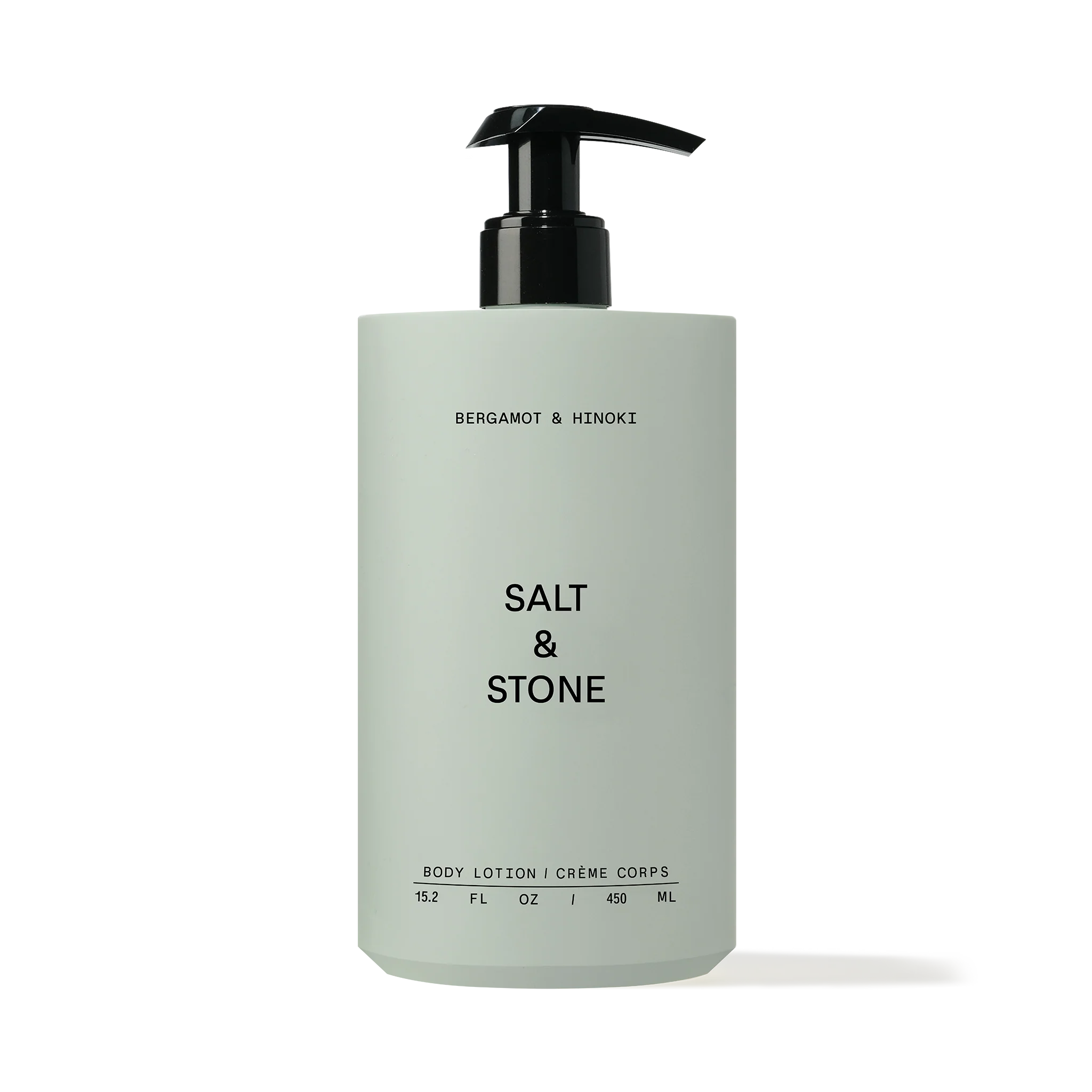
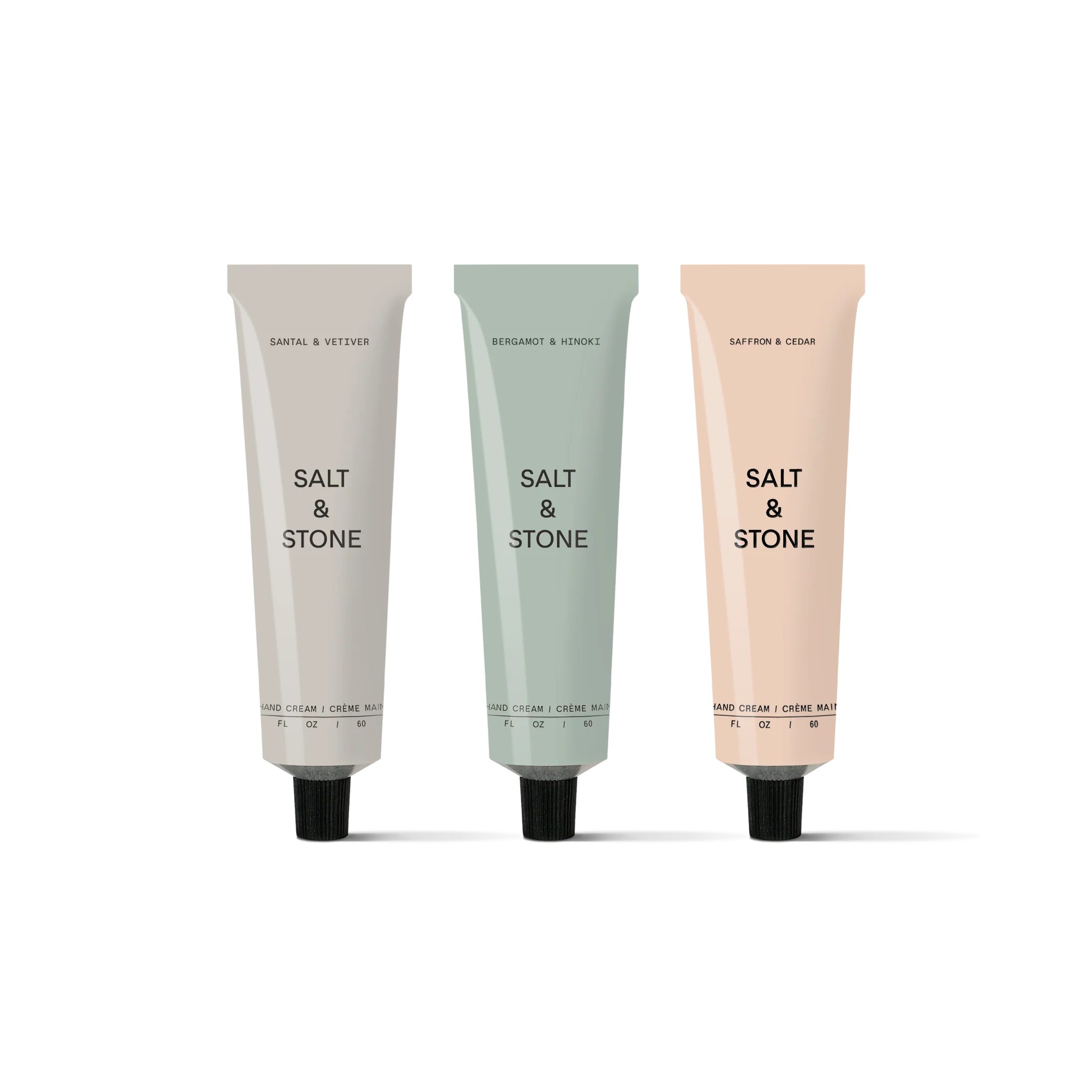
For an all-in-one solution that balances both needs, consider a targeted set. The The Soft Skin Duo pairs a hand cream with a matching body lotion, so you get the right formula for each area without guessing.
How to Layer Body Cream, Hand Cream, and Deodorant for All-Day Freshness
Hydration isn’t just about moisture—it also affects how long your fragrance lasts. When you apply a body cream, it creates a hydrated base that holds scent molecules longer. Follow with a deodorant (alcohol-free formulas are kinder to skin) and finish with a body mist for a subtle, layered fragrance that evolves throughout the day.
The key is to match scents or choose complementary notes. For example, a bergamot & hinoki body cream pairs beautifully with a cedar-based deodorant, while a saffron & cedar body mist adds warmth. This layering technique is why many people love the Scent Layering Set, which includes curated products designed to work together.
A Quick Routine for Maximum Hydration
- Shower with a gentle body wash (avoid sulfates if skin is sensitive)
- Towel dry slightly, leaving skin damp
- Apply body cream all over, focusing on dry legs and arms
- Wait 2 minutes for absorption
- Apply hand cream to hands and cuticles
- Finish with deodorant and a body mist for fragrance
Choosing the Right Body Cream for Your Skin Type
Not all body creams are created equal. If you have oily or acne-prone skin, opt for a gel-cream or lotion with niacinamide. Dry or eczema-prone skin benefits from richer formulas with colloidal oatmeal or ceramides. Normal skin can handle most formulations, but always check the ingredient list for potential irritants like synthetic fragrance or essential oils if you’re sensitive.
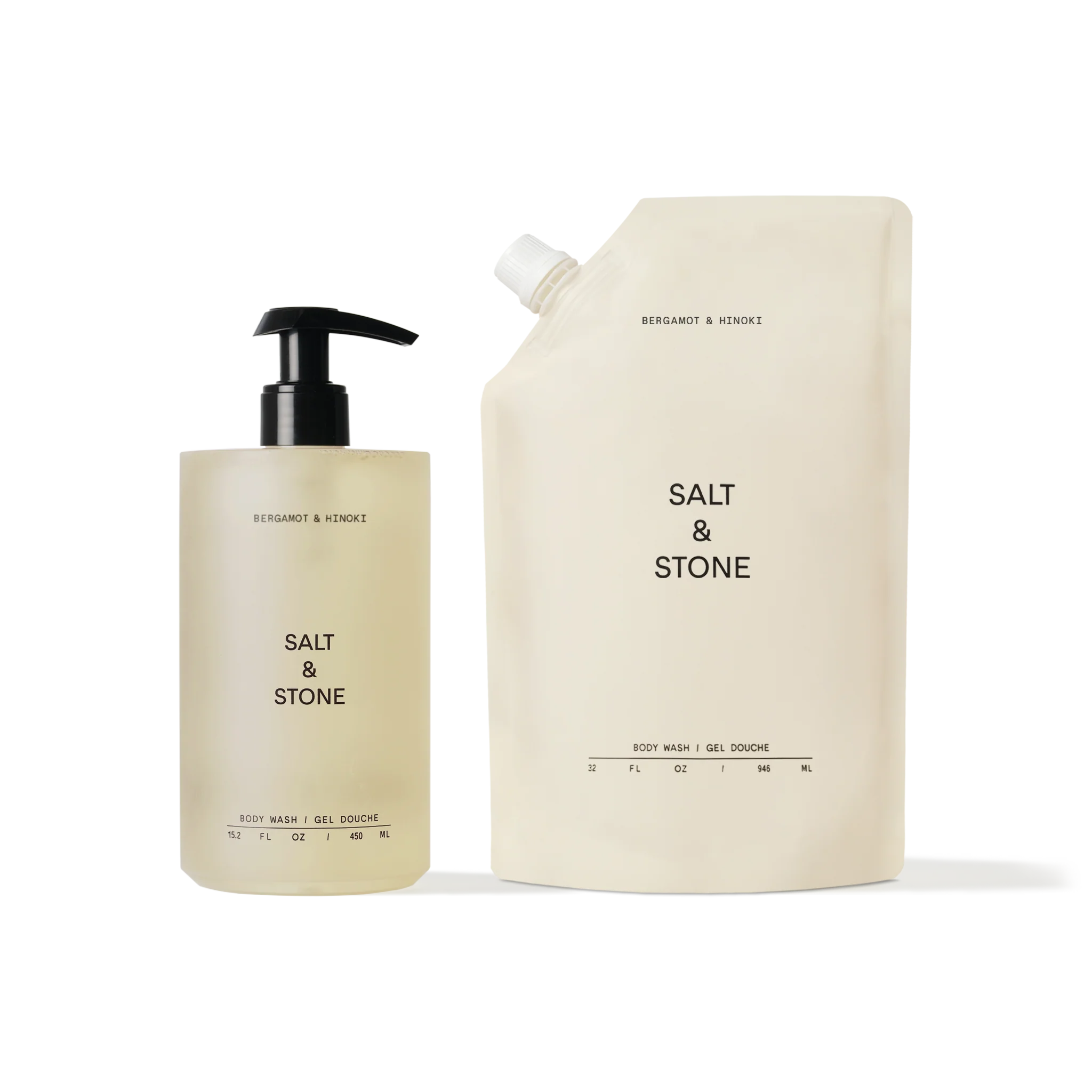
At Saltandstone, the Full Body Set gives you a complete system with a body wash, body cream, and body mist in matching scents—ideal for anyone who wants a streamlined routine without sacrificing hydration.
Frequently Asked Questions About Body Cream vs. Hand Cream
Is body cream or hand cream better for dry hands?
Hand cream is generally better because it has a higher oil content and thicker consistency, which creates a longer-lasting barrier. However, if your hands are only mildly dry, a rich body cream can work in a pinch.
Can I use hand cream as a body moisturizer in winter?
It’s not recommended for large areas—hand cream is too thick and may feel sticky. Instead, layer a body cream first and use hand cream only on hands, elbows, and knees.
How often should I apply body cream vs. hand cream?
Body cream once daily (after showering) is usually sufficient. Hand cream should be applied after every hand wash for best results, or at least 3–4 times a day.
Do body creams and hand creams expire?
Yes. Most have a shelf life of 12–24 months after opening. Check the PAO (period after opening) symbol on the label. Using expired products can cause irritation or reduced effectiveness.
Final Thoughts: Build Your Hydration Strategy
Understanding the difference between body cream and hand cream is the first step to smarter skincare. By choosing the right product for each area, you avoid over-moisturizing (which can lead to breakouts) or under-moisturizing (which leaves hands dry and cracked). Start with a high-quality body cream for daily all-over use, and keep a dedicated hand cream wherever you wash your hands frequently.
Ready to elevate your hydration routine? Explore our curated The Soft Skin Duo today and discover how the perfect pair of formulas can transform your skin from dry to dewy—without the guesswork.