The Complete Guide to Deodorant Ingredients: Natural vs. Conventional and What to Avoid
By Saltandstoneonline | Published: 2026-06-10
Category: How-to Guides
Explore the differences between natural and conventional deodorant ingredients, learn which additives to avoid, and discover how to choose an aluminum-free deodorant for healthier, effective odor protection.
Choosing the right deodorant can feel overwhelming with so many options on the shelf. From aluminum-based antiperspirants to natural formulas packed with plant extracts, the ingredients list tells a powerful story about what you’re putting on your skin. In this guide, we’ll break down the key differences between natural and conventional deodorant ingredients, highlight what to avoid, and help you make an informed choice for your body care routine.
Deodorant vs. Antiperspirant: What’s the Difference?
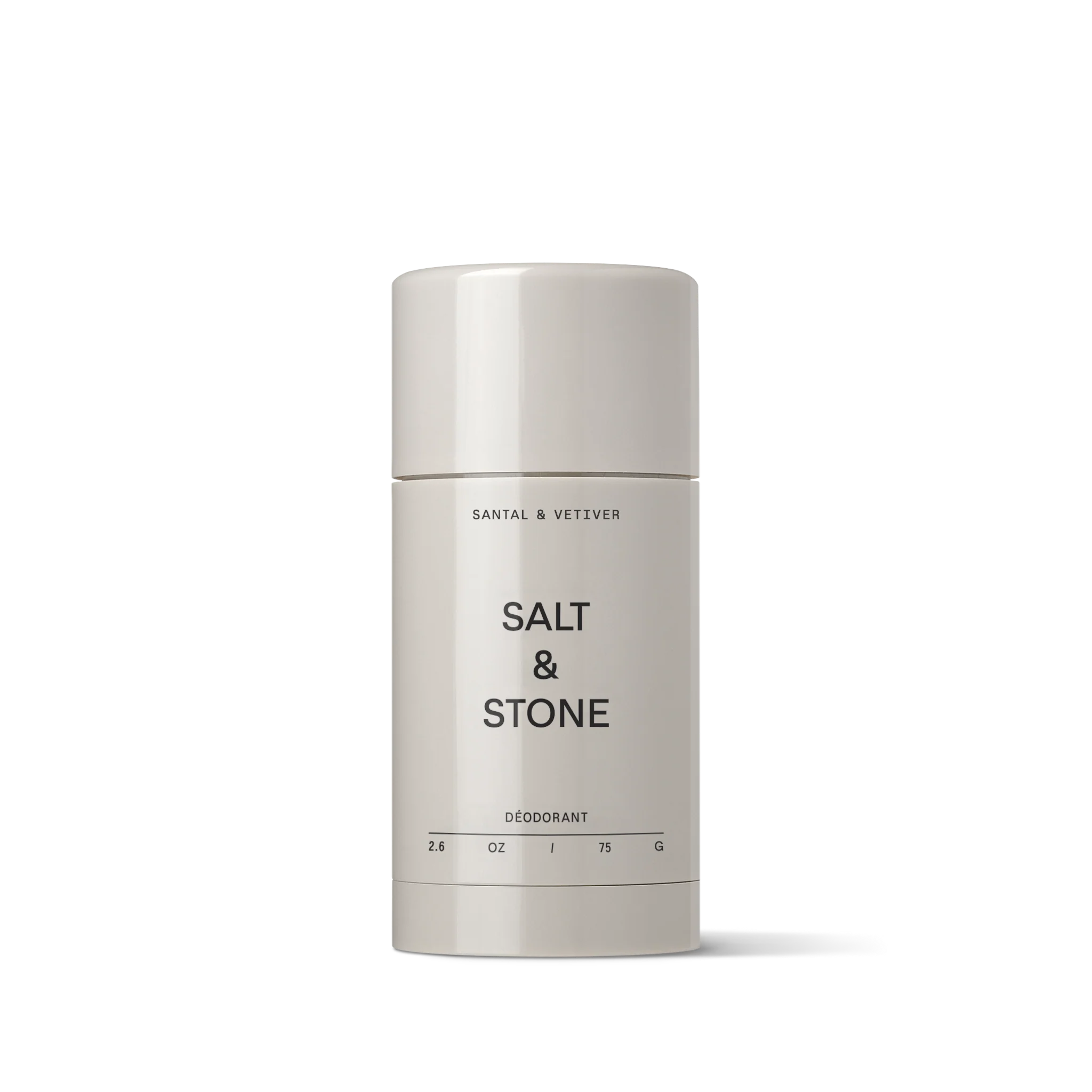
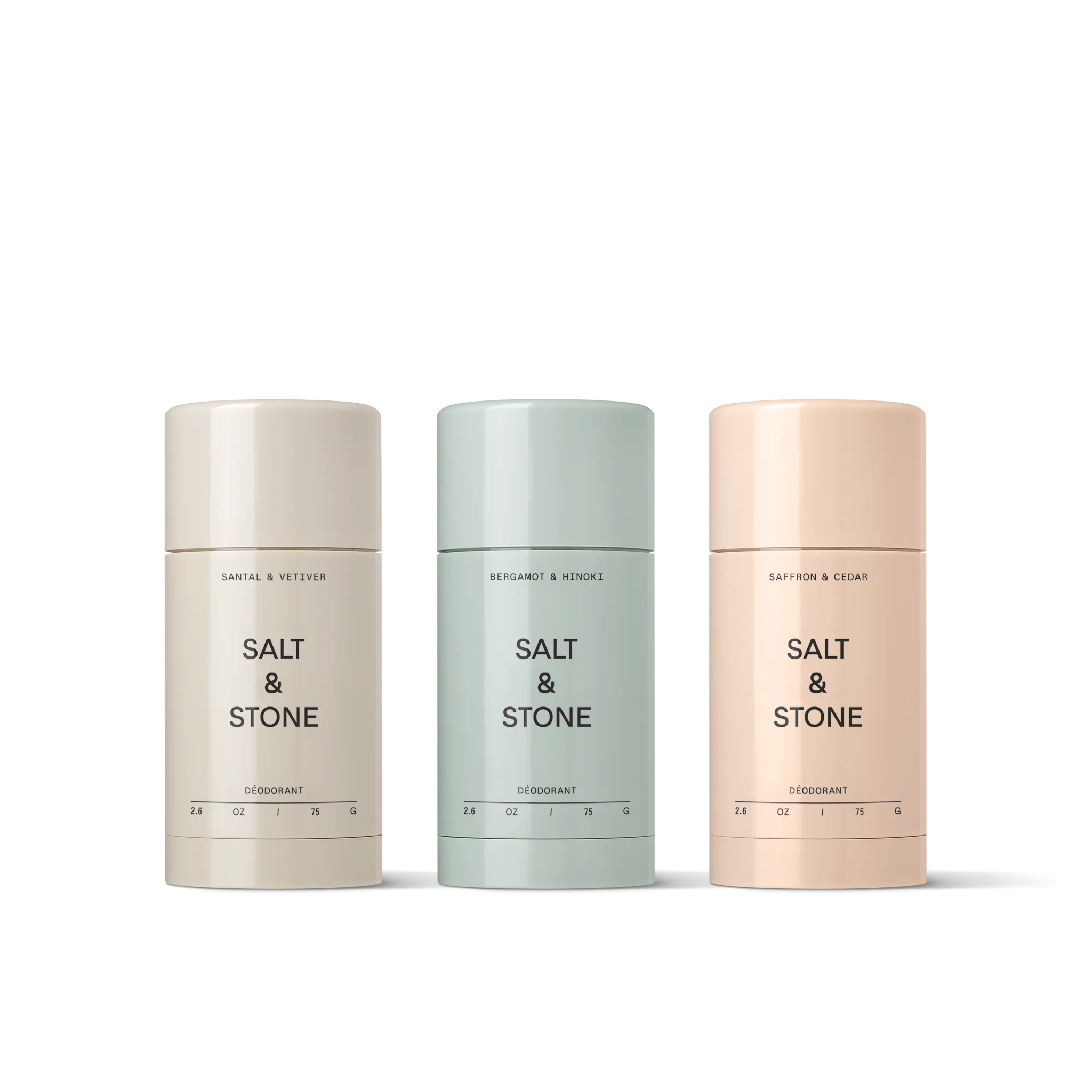
Before diving into ingredients, it’s essential to understand the distinction between deodorant and antiperspirant. Deodorant neutralizes odor-causing bacteria and often includes natural fragrances or essential oils to keep you smelling fresh. Antiperspirants, on the other hand, use aluminum-based compounds to physically block sweat glands, reducing perspiration. Many people prefer aluminum-free deodorant to avoid potential health concerns linked to aluminum absorption, though research is ongoing. At Saltandstoneonline, our Deodorant Trio offers a curated selection of natural, aluminum-free options that let you explore different scents without compromising on efficacy.
Natural Deodorant Ingredients: What Makes Them Effective?
Natural deodorants rely on a blend of botanicals, minerals, and plant-based powders to control odor and absorb moisture. Here are the most common and effective ingredients you’ll find:
Baking Soda
Baking soda (sodium bicarbonate) is a classic natural deodorant ingredient because it neutralizes acidic odors. However, some people with sensitive skin may experience irritation. Many brands now offer baking soda-free alternatives using arrowroot powder or tapioca starch for gentler absorption.
Arrowroot Powder and Tapioca Starch
These starches absorb moisture without the alkalinity of baking soda, making them ideal for sensitive skin. They help keep underarms dry while allowing the skin to breathe.
Coconut Oil
Coconut oil has natural antibacterial properties due to its lauric acid content. It softens skin and helps deodorant glide on smoothly, but it may leave a slight oily residue in warm climates.
Shea Butter and Cocoa Butter
These rich emollients soothe and moisturize the delicate underarm area. They are especially beneficial after shaving or for those prone to dryness.
Essential Oils
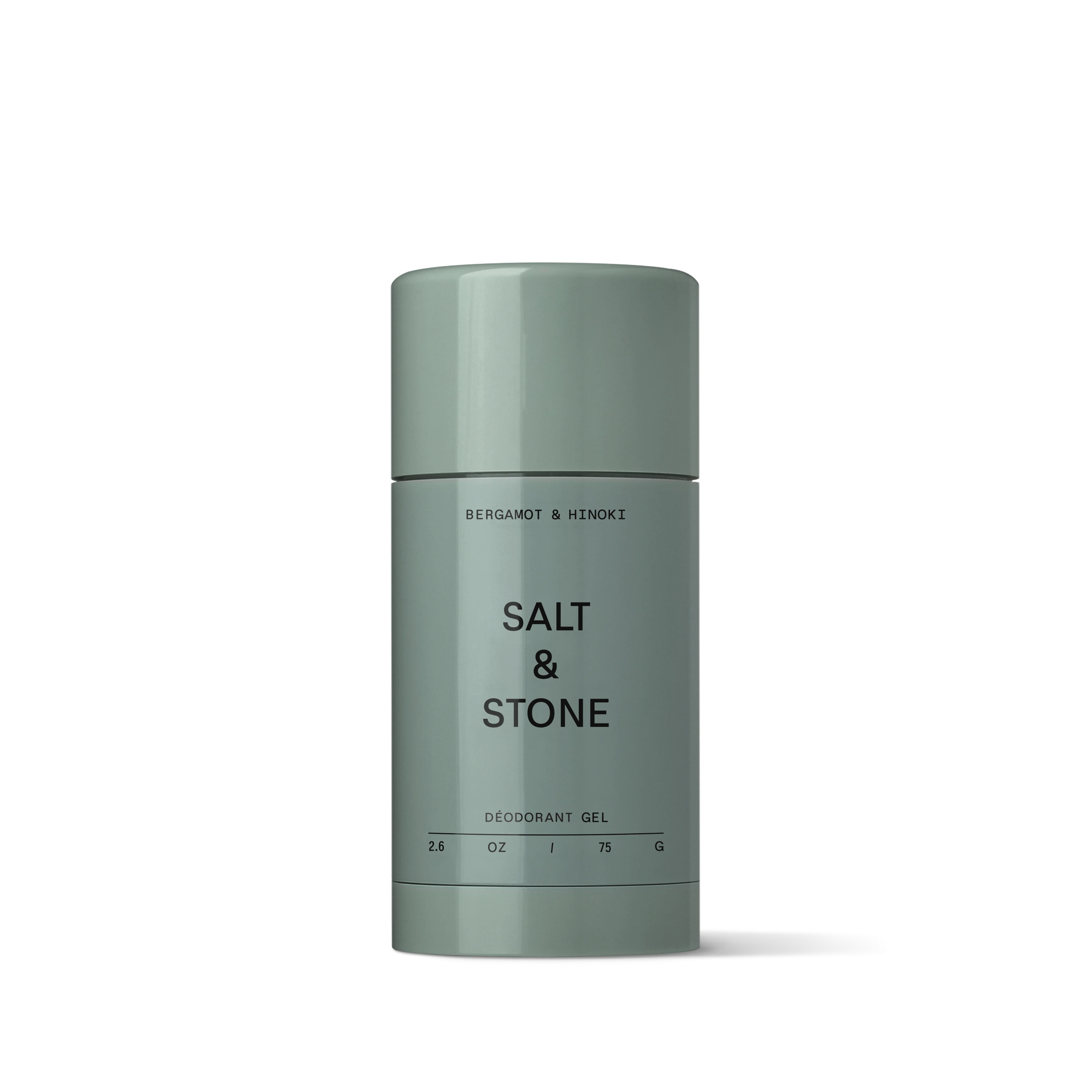
Essential oils like tea tree, lavender, eucalyptus, and bergamot provide natural antimicrobial benefits and pleasant scents. They are a key reason many people find Deodorant Gel from Saltandstoneonline so refreshing—its formulation uses skin-friendly botanicals rather than synthetic fragrances.
Magnesium Hydroxide
This mineral compound neutralizes odor without clogging pores. It’s a popular alternative to baking soda for those with reactive skin.
Conventional Deodorant Ingredients: What to Watch Out For
Conventional deodorants and antiperspirants often include synthetic compounds that have raised questions among clean beauty advocates. Understanding these ingredients can help you decide what aligns with your health preferences.
Aluminum Compounds
Aluminum zirconium tetrachlorohydrex gly, aluminum chlorohydrate, and similar compounds are the active ingredients in antiperspirants. They work by forming a temporary plug in sweat ducts. While the FDA considers them safe, some studies have linked long-term aluminum exposure to breast cancer and Alzheimer’s disease, though no conclusive evidence exists. Many consumers choose aluminum-free deodorant as a precautionary measure.
Parabens
Parabens (methylparaben, propylparaben, etc.) are preservatives that prevent microbial growth. They can mimic estrogen in the body, which has raised concerns about hormone disruption. Most natural deodorants are paraben-free.
Phthalates
Often hidden under “fragrance” on labels, phthalates are used to make scents last longer. They are known endocrine disruptors and are banned in some countries. Look for deodorants labeled “phthalate-free” or scented only with essential oils.
Propylene Glycol
This petroleum-derived ingredient helps deodorants glide on and penetrate the skin. It can cause irritation and allergic reactions in some individuals. Natural brands typically use plant-based butters and oils instead.
Triclosan
An antibacterial agent that has been linked to antibiotic resistance and thyroid disruption. The FDA has banned it from soaps but it may still appear in some deodorants. Avoid it by choosing products with natural antimicrobials like tea tree oil.
Synthetic Fragrances
“Fragrance” on an ingredient list can conceal dozens of undisclosed chemicals, including allergens and irritants. Natural deodorants use essential oils or natural extracts for scent, which are gentler on the skin and the environment.
How to Read a Deodorant Label Like a Pro
When shopping for a clean deodorant, look beyond the marketing claims. Here’s a quick checklist:
- First ingredient: Avoid water as the first ingredient in a stick or cream; it often means more preservatives are needed. Look for coconut oil, shea butter, or arrowroot powder.
- Avoid aluminum if you want a true deodorant (not antiperspirant).
- Check for “fragrance” – if it’s listed without specifics, it likely contains synthetic chemicals.
- Look for recognizable oils and butters – they indicate a moisturizing, skin-friendly base.
- Consider packaging – many natural deodorants come in compostable cardboard tubes or glass jars to reduce plastic waste.
Why Choose a Natural Deodorant? Benefits Beyond Ingredients
Switching to a natural, aluminum-free deodorant offers several advantages:
- Gentler on sensitive skin: No harsh chemicals means less risk of rashes, itching, or dark underarms from shaving irritation.
- Better for your lymphatic system: Without aluminum plugs, your body can sweat naturally, which is a key detoxification pathway.
- Eco-friendly: Many natural brands prioritize biodegradable packaging and sustainably sourced ingredients.
- Customizable scents: Essential oil blends provide a personal aroma that evolves throughout the day.
Common Myths About Natural Deodorant
Let’s clear up a few misconceptions:
- Myth: Natural deodorants don’t work. Fact: They work differently—they don’t block sweat but neutralize odor. Most people adjust within a week or two as their body detoxes from aluminum.
- Myth: You’ll sweat more. Fact: You’ll sweat at your body’s natural rate, which is healthy. Antiperspirants simply suppress a normal function.
- Myth: Natural deodorants are all the same. Fact: Formulations vary widely—some use baking soda, others use magnesium. Finding the right one may require a Deodorant Trio to sample different bases and scents.
Transitioning to Natural Deodorant: Tips for Success
Making the switch can come with a temporary adjustment period. Here’s how to ease the transition:
- Start gradually: Alternate between your old deodorant and a natural one every other day.
- Exfoliate gently: Use a mild scrub once a week to remove residue and allow the new deodorant to absorb better.
- Stay hydrated: Drinking water helps regulate body temperature and can reduce sweat odor.
- Be patient: Your skin may take 2–4 weeks to adjust. If irritation occurs, switch to a baking soda-free formula.
Our Top Picks for Aluminum-Free Deodorant at Saltandstoneonline
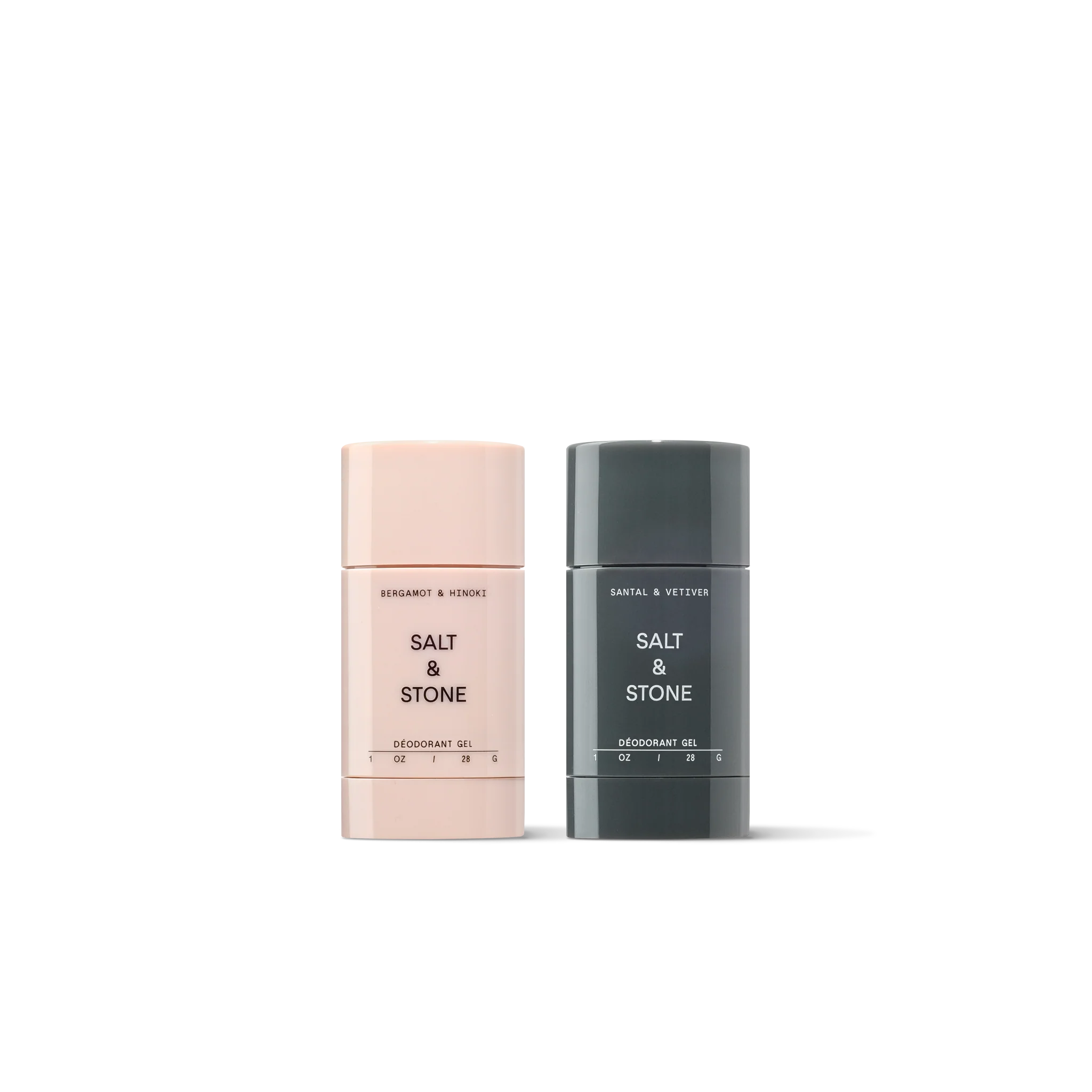
We’ve curated a selection of deodorants that prioritize clean ingredients and effective odor protection. The Deodorant Gel offers a lightweight, non-sticky formula that’s perfect for active days. For those who love variety, the Deodorant Trio lets you test three distinct scents—ideal for travel or discovering your favorite. Each product is free from aluminum, parabens, and synthetic fragrances, so you can feel confident about what you’re putting on your skin.
Conclusion: Make the Switch to Cleaner Deodorant Today
Understanding deodorant ingredients empowers you to choose products that align with your health and lifestyle. Whether you’re drawn to the simplicity of natural formulas or want to avoid specific additives, the clean beauty movement offers plenty of effective, pleasant options. Start your journey with a trusted brand and give your skin the gentle care it deserves.
Ready to upgrade your underarm care? Explore the Deodorant Trio at Saltandstoneonline and discover a natural deodorant that works with your body, not against it.