The Complete Guide to Body Wash Ingredients: Sulfates, Surfactants, and Natural Alternatives
By Saltandstone | Published: 2026-06-15
Category: Product Reviews
Discover the truth about body wash ingredients: sulfates, surfactants, and natural alternatives. Learn how to choose a gentle, effective cleanser for your skin type.
When you step into the shower, the first thing you reach for is likely your body wash. But have you ever stopped to read the ingredient list? The world of body wash ingredients can be confusing, with terms like sulfates, surfactants, and natural alternatives popping up on every label. This guide will demystify these components, helping you choose a gentle cleanser that leaves your skin feeling fresh, hydrated, and happy—without stripping its natural moisture barrier.
What Are Sulfates and Why Do They Matter?
Sulfates are a type of surfactant (short for surface-active agent) that create the rich lather we associate with a thorough cleanse. The most common sulfates in body washes are sodium lauryl sulfate (SLS) and sodium laureth sulfate (SLES). They are excellent at removing dirt, oil, and product buildup, but they can be too effective for some skin types.
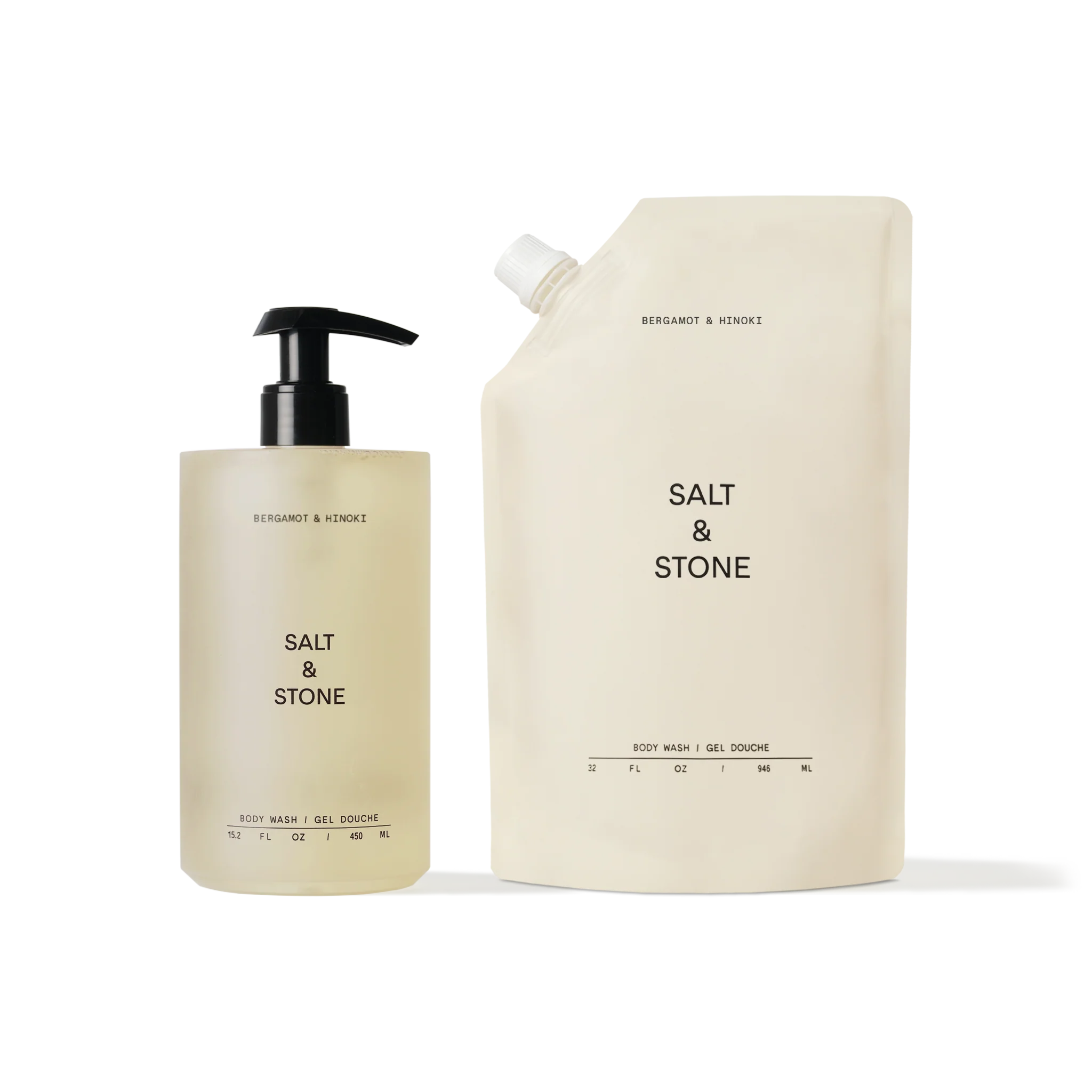
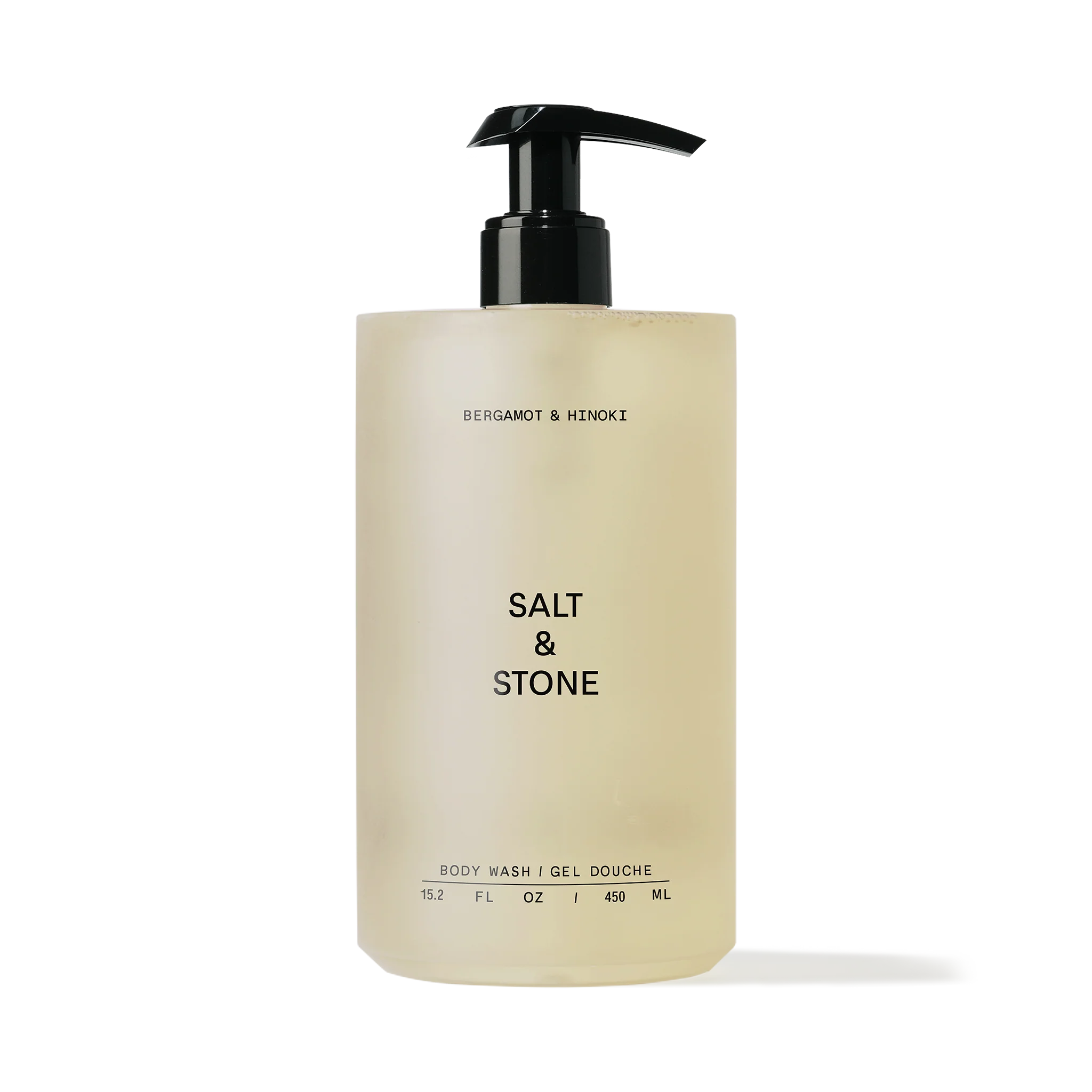
For people with sensitive skin, eczema, or dryness, sulfates can strip the skin of its natural oils, leading to irritation, redness, and a compromised moisture barrier. That’s why many are turning to sulfate-free body wash options. If you are looking for a gentle yet effective option, consider pairing a mild cleanser with a moisturizing routine. For example, after a gentle wash, applying the The Soft Skin Duo can help lock in hydration and soothe any residual sensitivity.
Surfactants 101: The Science Behind the Clean
Surfactants are the workhorses of any body wash. They reduce the surface tension between water and oil, allowing dirt and sebum to be rinsed away. Not all surfactants are created equal, however. Here’s a breakdown of common types:
| Surfactant Type | How It Works | Best For |
|---|---|---|
| Sulfates (SLS/SLES) | Strong foaming, deep cleansing | Oily skin; occasional use |
| Glucosides (e.g., Decyl Glucoside) | Mild, derived from corn or coconut | Sensitive, dry, or normal skin |
| Betaines (e.g., Cocamidopropyl Betaine) | Gentle, boosts foam | All skin types, often used in natural formulas |
| Amino Acid–Based Surfactants | Very mild, pH-balanced | Ultra-sensitive or reactive skin |
Choosing a natural body wash often means opting for glucosides or betaines, which are derived from plant sources like coconut, corn, or sugar. These ingredients are biodegradable and less likely to cause irritation. For a complete, skin-friendly cleanse from head to toe, the Full Body Set offers a curated selection of gentle products that respect your skin’s natural balance.
Natural Alternatives to Synthetic Surfactants
The clean beauty movement has popularized several natural alternatives that provide effective cleansing without harsh chemicals. Here are three standout options:
1. Saponified Oils (Soap-Based Cleansers)
Traditional soap is made through saponification—a chemical reaction between oils (like olive, coconut, or shea butter) and an alkali. While true soap is natural, it can be alkaline and potentially drying for some. However, modern formulations often combine saponified oils with moisturizing ingredients to create a balanced cleanser.
2. Gentle Plant-Based Surfactants
Ingredients like coco-glucoside and lauryl glucoside are derived from coconut oil and fruit sugars. They produce a light lather and are extremely mild, making them ideal for daily use. Look for these in sulfate-free formulas labeled for sensitive skin.
3. Fermented Ingredients for Extra Care
Fermented ingredients, such as spirulina and yuzu, are gaining traction in skincare for their gentle exfoliating and antioxidant properties. A gentle cleanser that incorporates these can help remove impurities while nourishing the skin. For your face, the Spirulina & Yuzu Facial Cleanser is a wonderful example of how fermented ingredients can elevate a wash without over-stripping.
How to Read a Body Wash Ingredient List
Decoding a label doesn’t require a chemistry degree. Follow these tips to identify a quality body wash:
- Look for the first five ingredients. These make up the bulk of the product. If a sulfate is listed among them, it’s a strong detergent.
- Watch for “sulfate-free” certification. Many brands prominently display this. However, also check for milder surfactants like cocamidopropyl betaine or decyl glucoside.
- Check for added moisturizers. Ingredients like glycerin, aloe vera, and plant oils help counteract any potential dryness.
- Avoid long lists of synthetic fragrances. While a pleasant scent is nice, natural fragrance oils or essential oils are gentler on sensitive skin.
Body Wash vs. Bar Soap: Which Is Gentler?
Bar soaps, especially traditional ones, can be more alkaline and stripping than liquid body washes. However, many modern bars are formulated with glycerin and moisturizing oils. Liquid body washes tend to have more flexibility in ingredient choices, allowing for added hydrators and milder surfactants. If you have dry or sensitive skin, a liquid sulfate-free body wash is generally a safer bet.
Building a Complete Gentle Cleansing Routine
A gentle body wash is just one part of a holistic care routine. To maintain your skin’s moisture barrier, follow these steps:
- Use lukewarm water. Hot water strips natural oils.
- Apply body wash with your hands or a soft cloth. Avoid harsh loofahs that can cause micro-tears.
- Pat dry, don’t rub. Leave a little moisture on your skin.
- Moisturize immediately. A rich body cream or lotion seals in hydration.
For a complete experience, consider a set that pairs a gentle wash with a nourishing moisturizer. The Body Care Ritual Set is designed to transform your shower into a spa-like ritual, combining a mild cleanser with a luxurious body cream for lasting softness.
Common Myths About Body Wash Ingredients
Myth 1: All sulfates are bad. While SLS can be irritating, SLES is often milder. The issue is mainly for sensitive skin. If your skin tolerates sulfates, they can be effective for removing heavy oils or sunscreen.
Myth 2: Natural means non-irritating. Natural ingredients can still cause allergies. For example, essential oils like tea tree or citrus can be irritating for some. Always patch test new products.
Myth 3: More foam equals better cleaning. Foam is mostly aesthetic. Many gentle, natural body wash formulas produce low lather but clean effectively without stripping.
Final Thoughts: Choosing Your Ideal Body Wash
When selecting a body wash, prioritize your skin’s needs. If you have normal to oily skin, a mild sulfate formula might work fine. For dry, sensitive, or eczema-prone skin, go for a sulfate-free body wash with gentle glucosides or amino acid surfactants. Don’t forget that a good body wash is only as effective as the rest of your routine—pairing it with a hydrating body lotion or oil makes all the difference.
Ready to upgrade your shower experience? Explore the curated body care collection at Saltandstone to find the perfect gentle cleanser for your skin type. With thoughtful formulations and natural ingredients, you can enjoy a clean that cares for your skin, not against it.
Start your journey to softer, healthier skin today with the The Soft Skin Duo—a perfect pairing of a gentle body wash and a rich moisturizer designed to nurture your skin every day.