Deodorant Gel vs. Deodorant Cream: Which Natural Format is Best for Active Lifestyles?
By Saltandstone | Published: 2026-06-20
Category: Product Reviews
Compare deodorant gel vs. deodorant cream for natural deodorant lovers with active lifestyles. Learn which format lasts longer, absorbs faster, and fits your daily routine.
When you lead an active lifestyle—whether that means morning runs, yoga sessions, or long commutes—your deodorant needs to keep up. Natural deodorants have surged in popularity, but the format you choose can make or break your experience. Two of the most common formats are deodorant gel and deodorant cream. Both promise odor protection without aluminum, parabens, or synthetic fragrances, but they differ in texture, application, and longevity. In this guide, we’ll break down the pros and cons of each so you can decide which natural deodorant format matches your active routine.
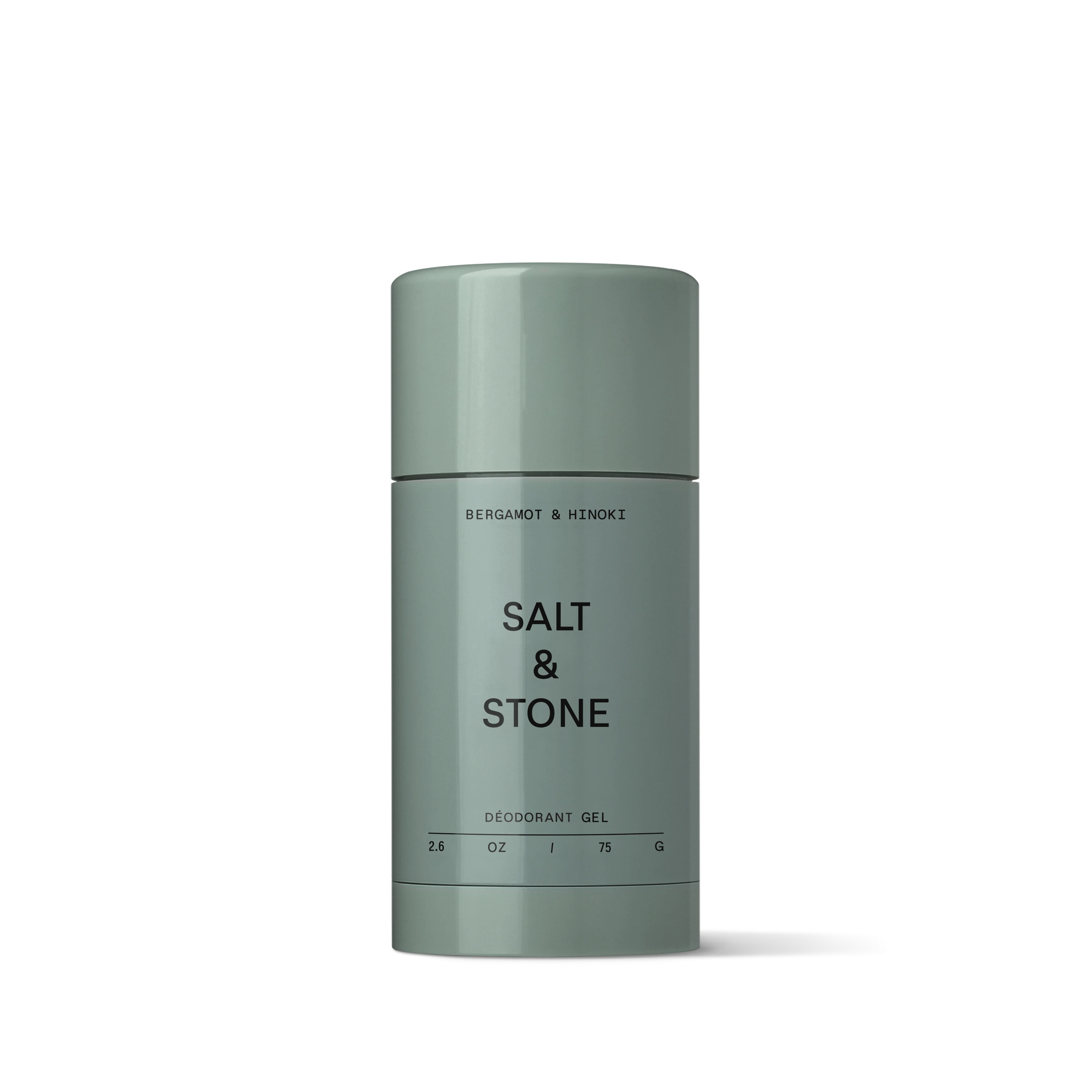
What is a Deodorant Gel?
A deodorant gel is a clear or semi-transparent formula that goes on wet and dries quickly. Typically packed in a tube or stick with a gel-like consistency, it glides smoothly onto skin and leaves little to no residue. Gels are often alcohol-based or water-based, which means they evaporate fast and can give a cooling sensation—perfect for post-workout freshness. Many natural deodorant gels use plant-derived glycerin, aloe vera, or witch hazel as a base, and they often include essential oils for scent.
Key Benefits of Deodorant Gel
- Fast drying: Ideal for busy mornings when you need to get dressed immediately.
- Sheer finish: Won’t leave white marks or yellow stains on dark clothing.
- Cooling effect: Great for after exercise or hot days.
- Easy spreadability: Requires less pressure during application.
Potential Drawbacks
- Less long-lasting protection: Some gels may need reapplication during intense activity.
- Can sting post-shave: Alcohol-based gels may irritate freshly shaved underarms.
- May feel tacky initially: Until fully dry, some gels can feel sticky.
What is a Deodorant Cream?
A deodorant cream is a thicker, paste-like formula that you apply with your fingertips or a small spatula. Often sold in jars, tins, or tubes, cream deodorants typically contain shea butter, coconut oil, or cocoa butter as a base. They melt on contact with skin and provide a rich, moisturizing layer that can double as a light skin treatment. Because creams are more concentrated, a tiny amount goes a long way.
Key Benefits of Deodorant Cream
- Superior moisture: Nourishes delicate underarm skin, especially if you shave or have dryness.
- Longer odor protection: The creamy base helps active ingredients stay put for hours.
- Gentle on sensitive skin: Minimal to no alcohol, so less irritation.
- Eco-friendly packaging: Often sold in glass or recyclable plastic jars.
Potential Drawbacks
- Greasy feel: Can feel heavy if too much is applied.
- Messy application: Requires washing hands or using a tool.
- Staining risk: Oily residues may stain light or delicate fabrics.
Head-to-Head Comparison: Deodorant Gel vs. Deodorant Cream
| Feature | Deodorant Gel | Deodorant Cream |
|---|---|---|
| Texture | Clear, wet, lightweight | Thick, paste-like, rich |
| Application | Glide-on stick or tube | Finger scoop or spatula |
| Drying time | 30–60 seconds | 2–5 minutes |
| Moisture level | Low to medium | High (nourishing) |
| Odor protection time | 8–12 hours | 12–24 hours (depending on activity) |
| Clothing risk | Minimal (no white marks) | May stain if excess is applied |
| Best for | Quick morning routines, hot climates | Long days, sensitive skin, dry climates |
Which Format is Best for an Active Lifestyle?
For high-intensity activities like running, cycling, or HIIT workouts, you need a deodorant that stays put despite sweat and friction. Deodorant cream often wins here because its thicker base adheres to skin longer, even when you’re drenched. The moisturizing ingredients like shea butter also help prevent chafing, a common issue for athletes. On the other hand, deodorant gel excels in low- to moderate-activity days or when you want a fresh feeling without residue. If you’re someone who showers after exercise and reapplies, a gel can be more convenient because it dries fast and doesn’t leave a greasy layer.
Consider your sweat level: if you tend to sweat heavily, a cream’s staying power is a clear advantage. If you prefer a barely-there feel and don’t mind reapplying, a gel might be your go-to. Some people even use both—cream for workouts and gel for daily wear.
Ingredients to Look For in Natural Deodorants
Regardless of format, the active ingredients determine efficacy. For odor control, look for:
- Baking soda: Neutralizes odor but can irritate sensitive skin.
- Arrowroot powder or tapioca starch: Absorbs moisture without clumping.
- Essential oils (tea tree, lavender, eucalyptus): Provide natural antimicrobial benefits.
- Probiotics: Help balance skin microbiome.
- Magnesium hydroxide: A gentle alternative to baking soda.
For a cream deodorant, a base of shea butter, coconut oil, or cocoa butter adds emollience. For a gel, aloe vera or glycerin keeps the formula light. Avoid deodorants with aluminum compounds, propylene glycol, or synthetic fragrances if you’re going natural.
How to Transition from Gel to Cream (or Vice Versa)
Switching between formats can feel jarring at first. If you’re moving from a gel to a cream, start by applying a thin layer—pea-sized is often enough. Wait a few minutes before dressing to avoid transfer. If moving from cream to gel, shake the tube well (some gels separate), and apply in a thin, even layer. Your skin may need a week or two to adjust to a new formula, especially if you’re switching from antiperspirant to natural deodorant. Be patient and consider using a detox mask or gentle exfoliant once a week to clear buildup.
Our Top Pick for Active Lifestyles
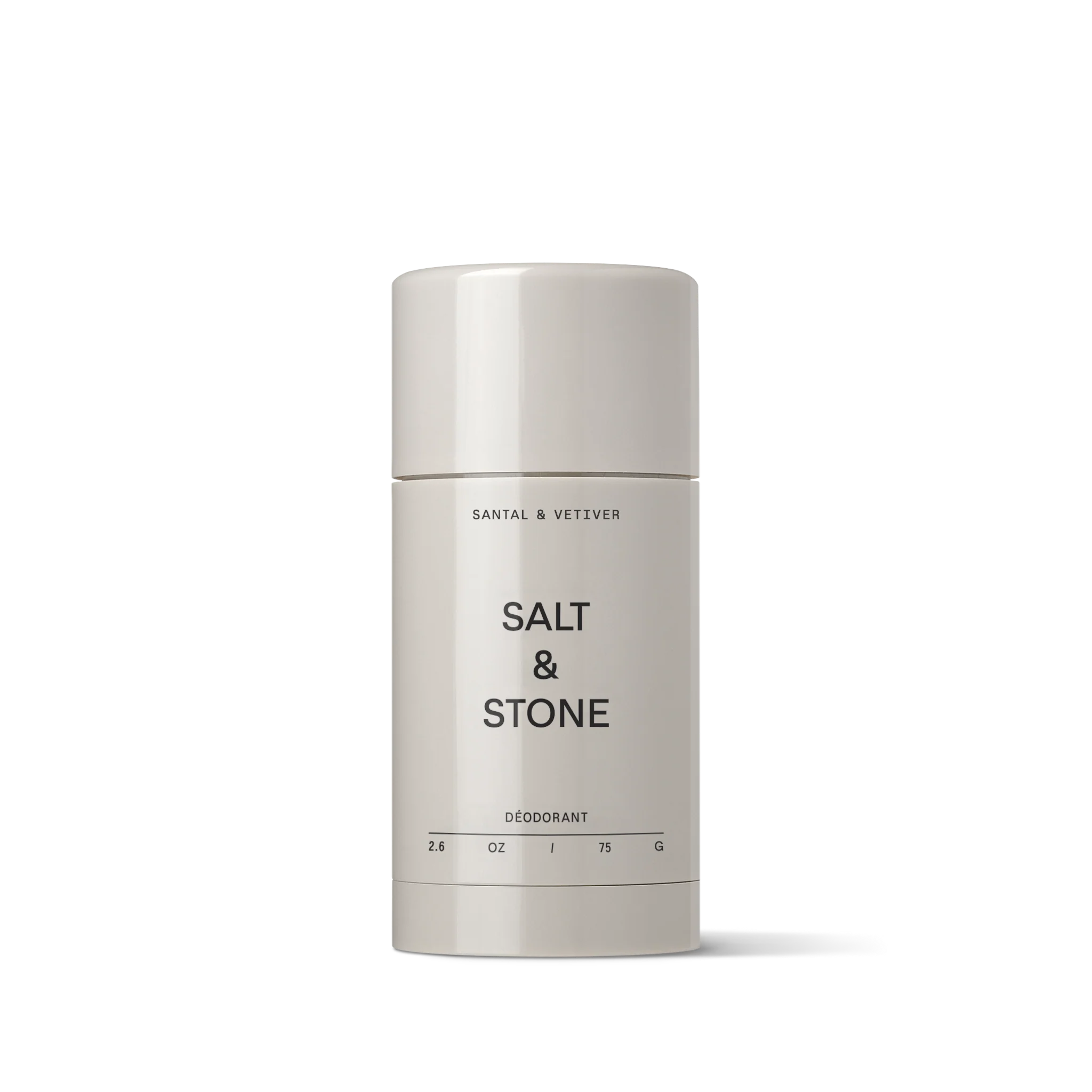
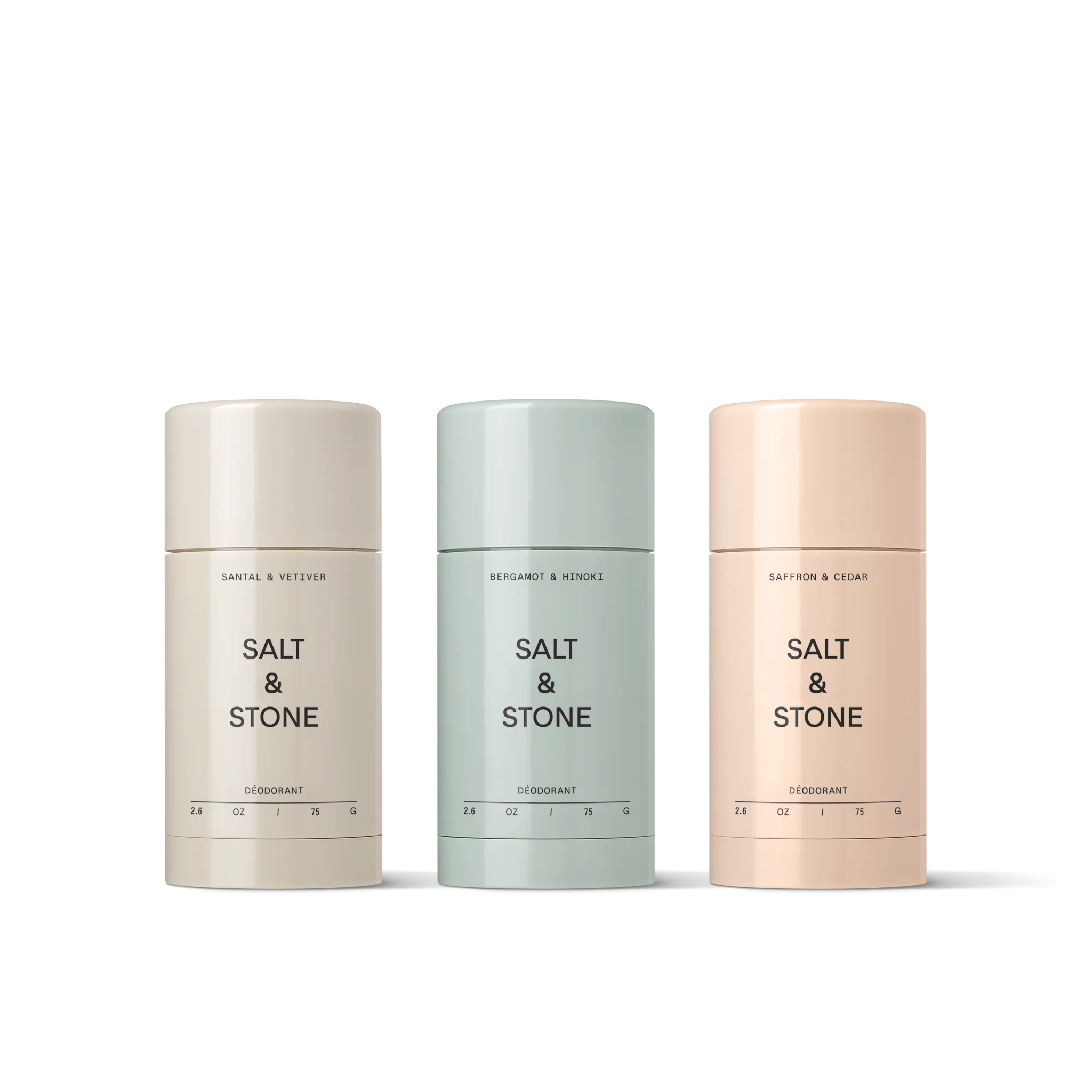
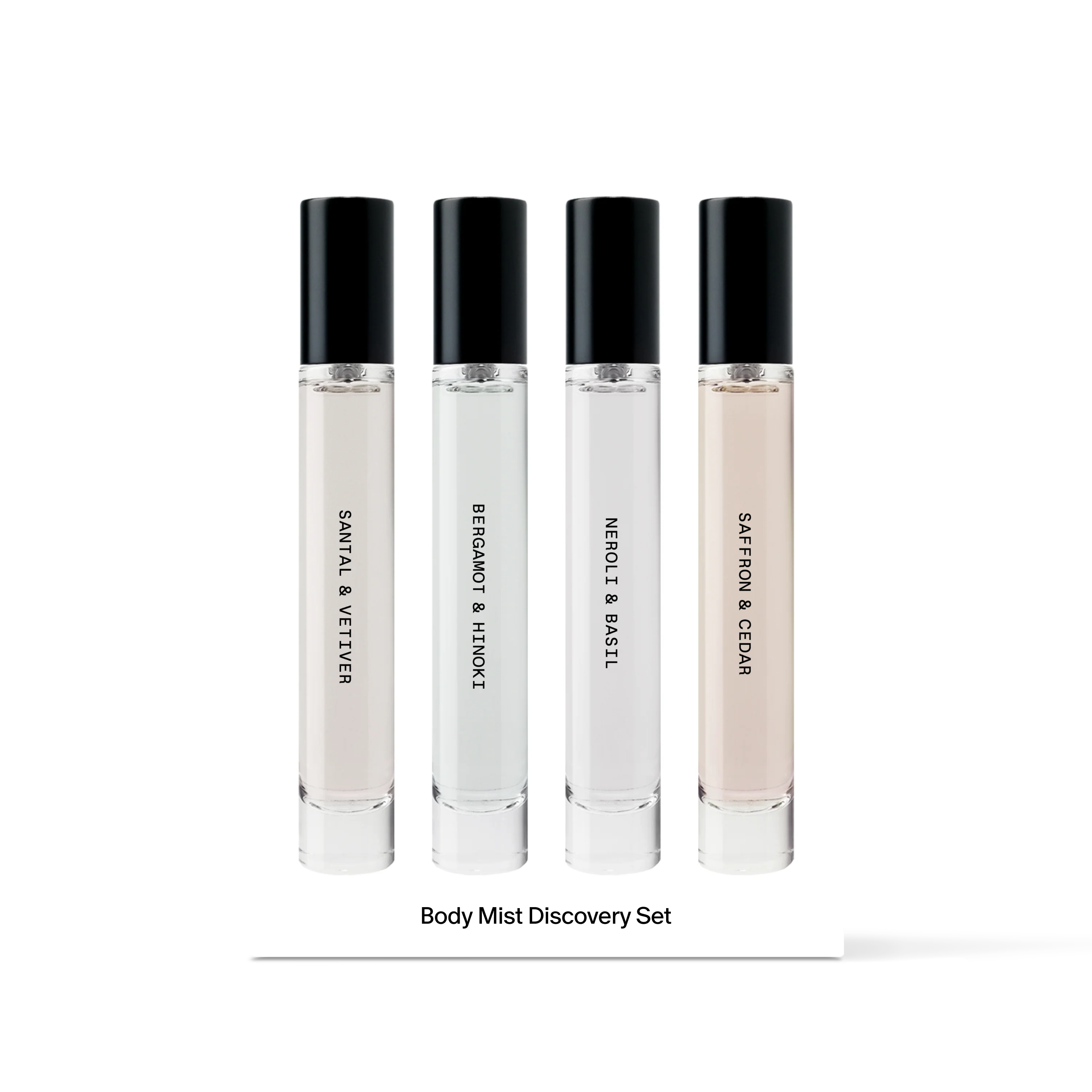
At Saltandstone, we understand that every body is different. For those with a high-activity routine, we recommend the Deodorant in cream format—it’s formulated with natural ingredients like tapioca starch and shea butter to keep you dry and odor-free during your toughest workouts. If you prefer a lighter feel, explore our Body Mist as a complementary layer; it adds a refreshing boost of fragrance without overpowering your deodorant’s performance.
Final Verdict: Gel vs. Cream
There’s no one-size-fits-all answer. Deodorant gel is your friend for quick, clean application and a featherweight feel. Deodorant cream is your ally for lasting protection and skin nourishment. If you’re active—running, hiking, or hitting the gym—cream’s staying power often gives it the edge. But if you value convenience and a dry finish, a quality gel can still serve you well. Try both to see which aligns with your body chemistry and routine. The best natural deodorant is the one you’ll actually use consistently.
Ready to upgrade your active lifestyle routine? Discover the Deodorant from Saltandstone—crafted for movement, designed for confidence, and made with the cleanest ingredients. Your underarms deserve the best, whether you choose gel or cream.