Deodorant Gel vs. Stick vs. Cream: Which Natural Deodorant Format Is Right for You?
By Saltandstoneonline | Published: 2026-06-12
Category: Product Reviews
Compare natural deodorant gel, stick, and cream formats to find your best match. Learn about ingredients, application, and effectiveness for aluminum-free body care.
Switching to natural deodorant is one of the most impactful changes you can make for your body care routine, but it also comes with a big question: which format is right for you? Gel, stick, or cream? Each has its own texture, application method, and performance profile. In this guide, we'll break down the differences between deodorant gel vs. stick vs. cream, helping you understand the pros and cons of each natural deodorant format. Whether you're a minimalist or a scent-layering enthusiast, finding the best natural deodorant format for your lifestyle is key to staying fresh and confident.
Why Format Matters in Natural Deodorant
Natural deodorants rely on ingredients like baking soda, arrowroot powder, coconut oil, and essential oils to neutralize odor and absorb moisture. Unlike conventional antiperspirants, they don't block sweat ducts with aluminum. Instead, they work with your body's natural processes. The format—gel, stick, or cream—affects how the deodorant applies, how long it lasts, and how it feels on your skin. Choosing the right one can mean the difference between all-day comfort and irritation, so let's dive into each type.
Deodorant Gel: Lightweight and Fast-Absorbing
Deodorant gels are a relatively newer entrant in the natural deodorant space. They typically come in a clear, smooth formula that glides on easily and dries quickly. Gels are often alcohol-based or water-based, making them feel lightweight and non-sticky. They are a great option for people with sensitive skin who find sticks or creams too heavy. Because of their fast-absorbing nature, gels are ideal for active lifestyles—you can apply and get dressed within seconds without worrying about residue. If you're looking for a deodorant that feels like you're wearing nothing, gel might be your top pick.
Pros of Deodorant Gel
- Quick drying: No waiting time before putting on clothes.
- Lightweight feel: Almost invisible on the skin.
- Less residue: Minimal white marks or greasy film.
- Great for layering: Works well with body lotions or body mists.
Cons of Deodorant Gel
- May contain alcohol: Can be drying for some skin types.
- Less long-lasting: Some users find gels need reapplication midday.
- Squeeze tube packaging: Can be less travel-friendly than a stick.
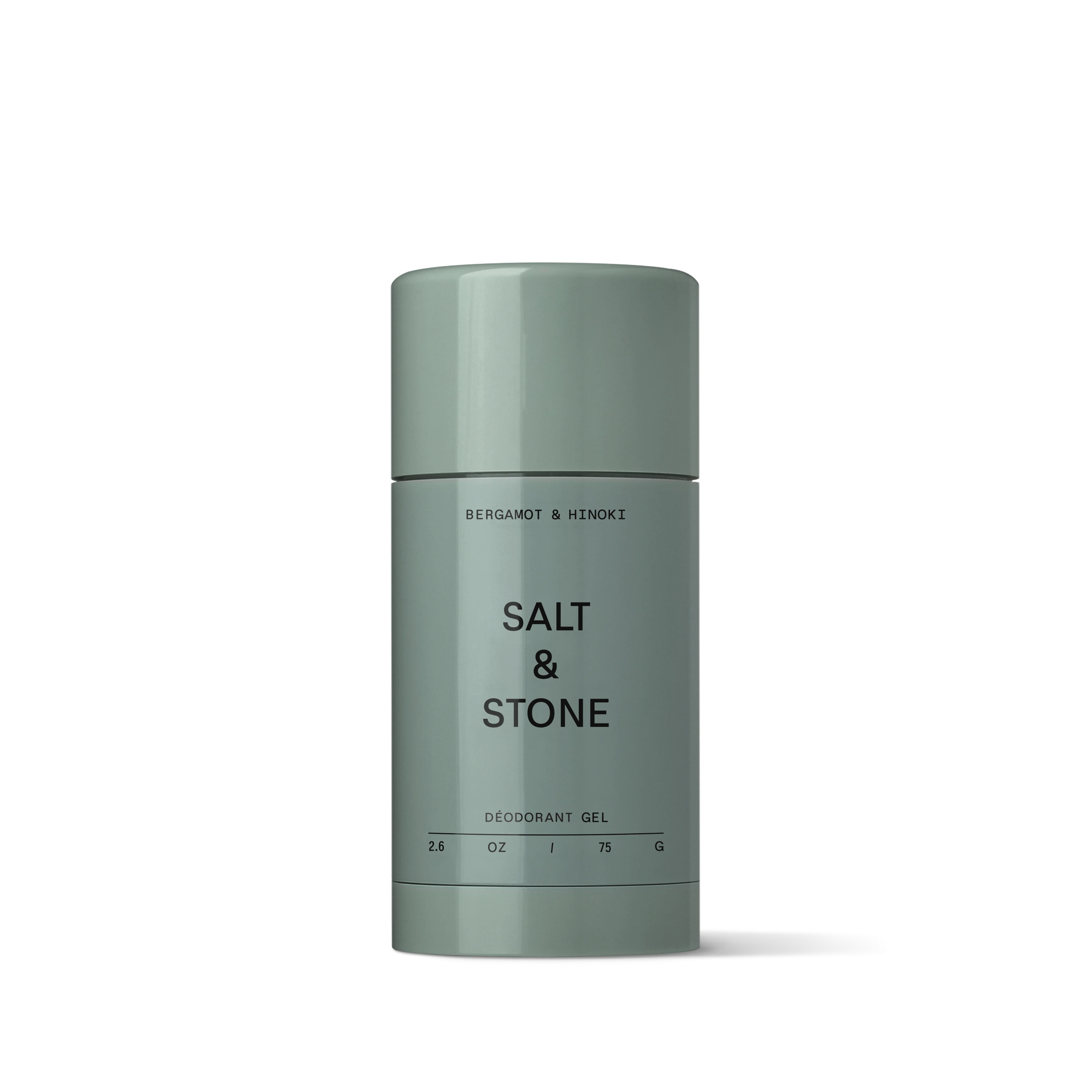
If you want to try a gel format, consider the Mini Deodorant Gel Duo—it's a perfect way to test two scents in a compact, travel-friendly size. Many users love how refreshing the gel feels, especially in warmer months.
Deodorant Stick: Classic and Convenient
The deodorant stick is the most traditional and widely used format. Natural deodorant sticks are usually solid but soft, made with a base of coconut oil, shea butter, and waxes. They glide on smoothly and deposit a thin layer of product. Sticks are popular because they are mess-free, easy to apply, and fit neatly into a gym bag or purse. They also tend to offer longer-lasting protection due to their thicker consistency. For many, the stick is the best natural deodorant format for everyday use—balancing effectiveness and convenience.
Pros of Deodorant Stick
- Easy application: Twist-up mechanism, no mess.
- Longer wear time: Thicker formula stays put throughout the day.
- Portable: Compact and sturdy for travel.
- Familiar feel: Similar to conventional deodorants.
Cons of Deodorant Stick
- May leave white marks: Can rub off on dark clothing.
- Can feel heavy: Some formulas feel greasy or sticky.
- Not ideal for layering: The thicker texture may conflict with other products.
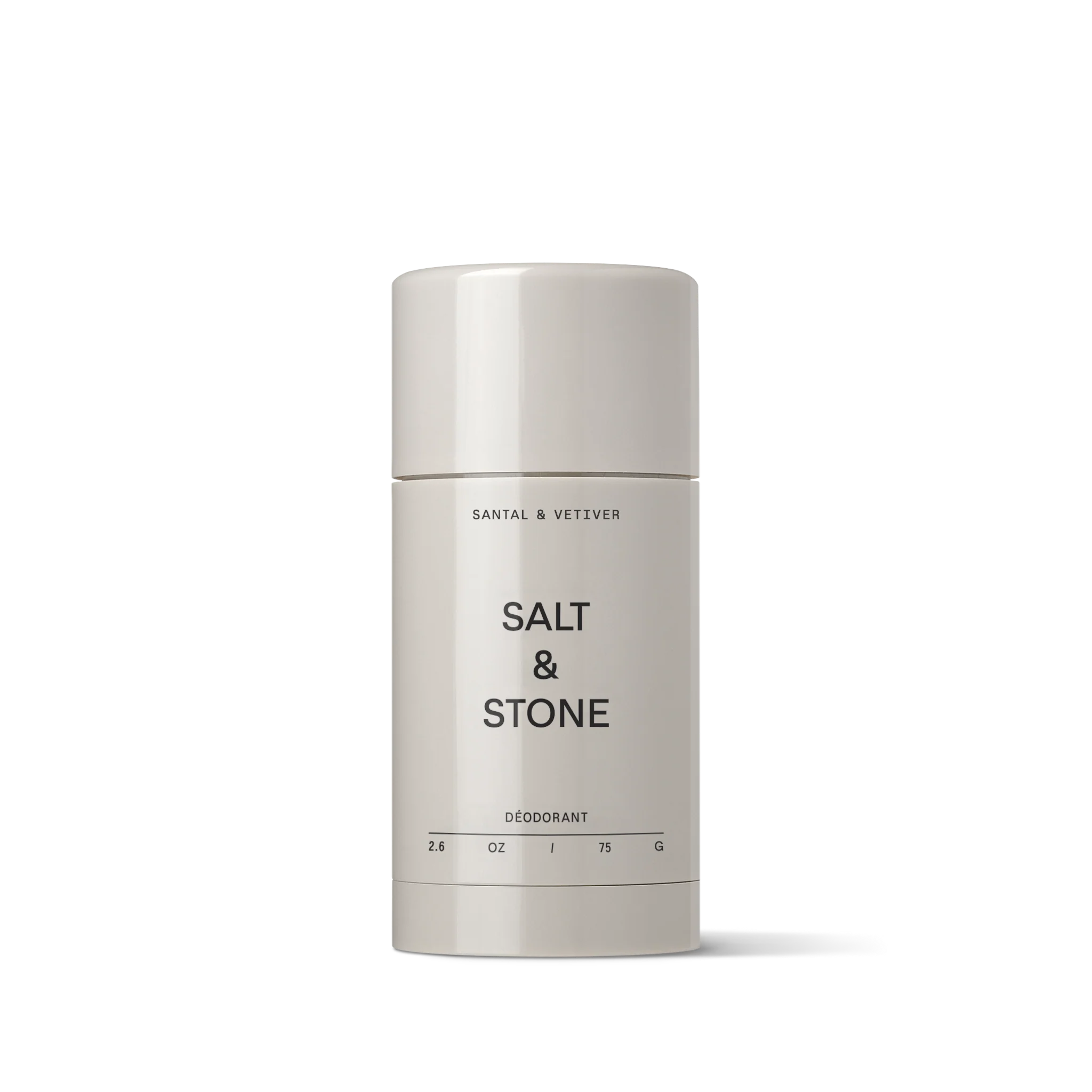
For a curated experience, the Deodorant Trio offers three different stick scents so you can rotate based on your mood or outfit. It's a fantastic way to discover which fragrance profile suits you best without committing to a full-size stick.
Deodorant Cream: Customizable and Nourishing
Deodorant creams are the most customizable format. They come in jars or tubes and require you to use your fingers or a spatula to apply. Creams have a thick, balm-like texture that melts on contact with skin. They are typically rich in moisturizing ingredients like shea butter, jojoba oil, and zinc oxide, making them excellent for very sensitive or dry skin. Because you control how much you apply, creams allow you to tailor the amount for your activity level—more for a long workout, less for a casual day. However, they can be messier and take a bit longer to dry.
Pros of Deodorant Cream
- Highly moisturizing: Great for dry or irritated underarms.
- Customizable amount: Adjust coverage to your needs.
- Minimal packaging waste: Often comes in recyclable jars.
- Effective for sensitive skin: Often free of baking soda and alcohol.
Cons of Deodorant Cream
- Messy application: Requires washing hands after use.
- Longer drying time: Need to wait before dressing.
- Less portable: Bulkier packaging, not ideal for on-the-go.
While we don't have a standalone cream in our current lineup, you can explore our Best Sellers Set which includes a variety of formats and scents to help you discover your favorite texture.
Deodorant Gel vs. Stick vs. Cream: A Quick Comparison
| Feature | Gel | Stick | Cream |
|---|---|---|---|
| Texture | Liquid/gel, dries clear | Solid, waxy | Thick, balm-like |
| Application | Squeeze tube, smooth on | Twist-up, glide on | Finger or spatula, rub in |
| Drying Time | Fast (30 seconds) | Moderate (1-2 minutes) | Slow (2-5 minutes) |
| Residue | Minimal | May leave white marks | Can be greasy |
| Best for | Active lifestyles, layering | Everyday convenience | Sensitive/dry skin |
| Travel-friendly | Moderate (tube) | High (twist-up) | Low (jar) |
How to Choose the Best Natural Deodorant Format for You
Your choice ultimately depends on your priorities. If you value speed and invisibility, a gel like the Mini Deodorant Gel Duo is a no-brainer. If you want a classic, no-fuss option that lasts all day, a stick such as those in the Deodorant Trio will serve you well. If you have very sensitive skin and don't mind a slower routine, a cream might be worth seeking out. Many people also rotate between formats depending on the season or activity—using gel in summer and stick in winter, for instance.
Tips for Transitioning to Natural Deodorant
- Expect a detox period: Your body may take 2-4 weeks to adjust.
- Start with a stick: It's closest to what you're used to.
- Layer with a body mist: For extra freshness, pair with a complementary scent.
- Exfoliate gently: Helps prevent buildup and irritation.
Conclusion: Find Your Perfect Match
There's no one-size-fits-all answer in the deodorant gel vs. stick vs. cream debate. Each format has its unique advantages, and the best natural deodorant format is the one that fits seamlessly into your daily routine. Whether you prefer the lightweight feel of a gel, the classic convenience of a stick, or the nourishing customizability of a cream, the key is to experiment and pay attention to how your skin responds. With the right choice, you'll stay fresh and comfortable without compromising on natural ingredients.
Ready to find your perfect natural deodorant? Explore the Deodorant Trio and start your journey to aluminum-free freshness today.