The Future of Natural Deodorant: Innovations in Ingredients and Packaging for 2025
By Saltandstoneonline | Published: 2026-06-03
Category: Industry News
Explore the top natural deodorant trends for 2025, from probiotic ingredients to zero-waste packaging, and discover how sustainable body care is evolving.
Natural deodorant has come a long way from the gritty, ineffective sticks of a decade ago. As we move into 2025, the category is experiencing a renaissance driven by consumer demand for cleaner ingredients, smarter formulations, and packaging that doesn't burden the planet. Whether you're a longtime convert or still skeptical about making the switch, understanding these innovations can help you choose a product that works—without compromise.
Why Natural Deodorant Is Winning in 2025
The global natural deodorant market is projected to grow significantly, fueled by a shift away from aluminum-based antiperspirants and toward formulas that work with your body's natural biology. Consumers are no longer willing to trade health for odor control. Instead, they're seeking solutions that are effective, gentle, and aligned with broader sustainability goals. This year, three key areas are driving change: ingredient science, packaging innovation, and personalized routines.
Ingredient Innovations: Beyond Baking Soda and Coconut Oil
For years, natural deodorant relied on baking soda to neutralize odor and coconut oil to moisturize. While effective for some, these ingredients can cause irritation and inconsistent performance. The latest formulations use advanced botanicals and biotechnology to deliver reliable protection.
Probiotics and Prebiotics
One of the most exciting developments is the use of probiotic cultures and prebiotic fibers. These ingredients help balance the skin's microbiome, reducing the population of odor-causing bacteria without stripping the skin of beneficial microbes. Brands are now incorporating fermented ingredients like lactobacillus ferment filtrate, which supports a healthy underarm ecosystem. This approach not only controls odor but also improves skin health over time.
Enzymatic Odor Neutralizers
Enzymes derived from plants, such as papain from papaya and bromelain from pineapple, are being used to break down odor molecules at a molecular level. This technology is especially effective for strong, persistent smells often associated with exercise or stress. Unlike synthetic fragrances that mask odor, enzymes eliminate it, making them ideal for active lifestyles.
Moisture-Absorbing Powders from Upcycled Sources
Instead of relying on cornstarch or arrowroot powder alone, formulators are turning to upcycled ingredients like spent grain from breweries or ground olive pits. These powders offer superior absorbency while reducing waste. They also create a smoother application, preventing the chalky residue that many natural deodorants leave behind.
Packaging Innovation: Refillable, Compostable, and Plastic-Free
Packaging has become a critical battleground for sustainability. In 2025, the focus is on eliminating single-use plastic and creating circular systems that keep materials in use. Here are the trends leading the charge.
Refillable Deodorant Cases
Refillable systems are becoming the standard for premium natural deodorant brands. Users buy a durable outer case—often made of metal or high-quality bioplastic—and then purchase refill cartridges that are compostable or recyclable. This model reduces packaging waste by up to 80% per use. Some brands even offer subscription services that deliver refills on a schedule, ensuring you never run out unexpectedly.
Compostable Cardboard Tubes
For those who prefer a simpler approach, compostable cardboard tubes are gaining popularity. These tubes are made from recycled paper and can be tossed into a home compost bin after use. They are lightweight, affordable, and appealing to minimalists. However, consumers should check that the inner lining is also compostable—many use a thin plastic layer to protect the product from moisture.
Glass and Metal Jars with Biodegradable Lids
Some brands are returning to the Deluxe Body Duo model of glass or metal jars for cream-based deodorants. These containers are infinitely recyclable and often come with lids made from bamboo or wheat straw composite. While not as convenient for on-the-go use, they are perfect for home routines and reduce reliance on petroleum-based plastics.
The Rise of Multi-Use and Routine Integration
Natural deodorant is no longer a standalone product. Consumers are embracing scent layering and coordinated body care routines that include deodorant as part of a larger system. This trend is driving the popularity of sets that combine deodorant with complementary products.
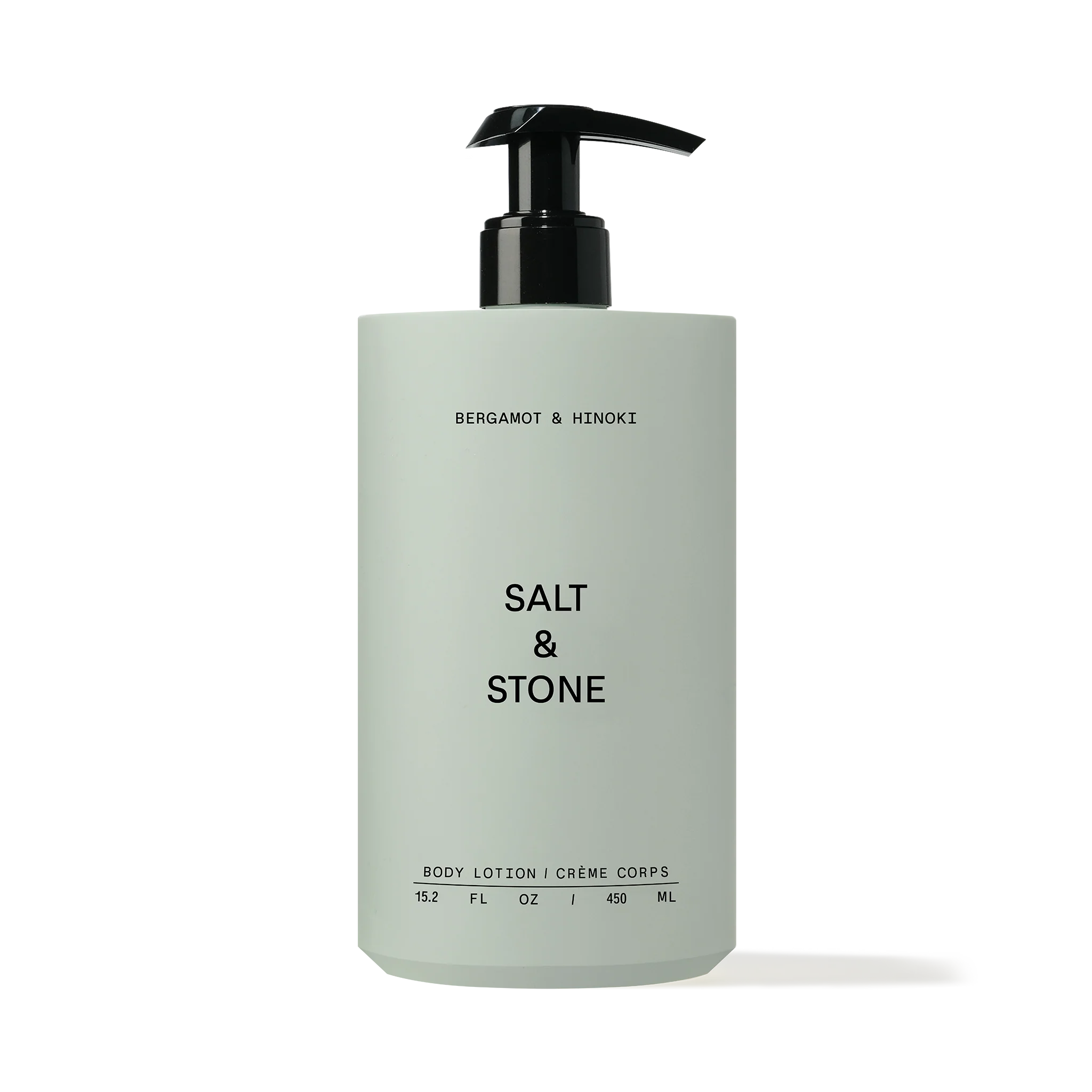
For instance, the The Soft Skin Duo pairs a gentle exfoliant with a matching body lotion, helping to smooth underarm skin before applying deodorant. Using a body lotion regularly can improve skin texture and reduce irritation, making natural deodorants more comfortable to wear.
Personalization and Customization
One size fits all is out. In 2025, natural deodorant brands are offering personalized formulas based on skin type, activity level, and scent preferences. Online quizzes and AI-driven recommendations help customers find the perfect match. Some brands even allow you to choose the level of moisture absorption or the intensity of fragrance.
Subscription Boxes for Discovery
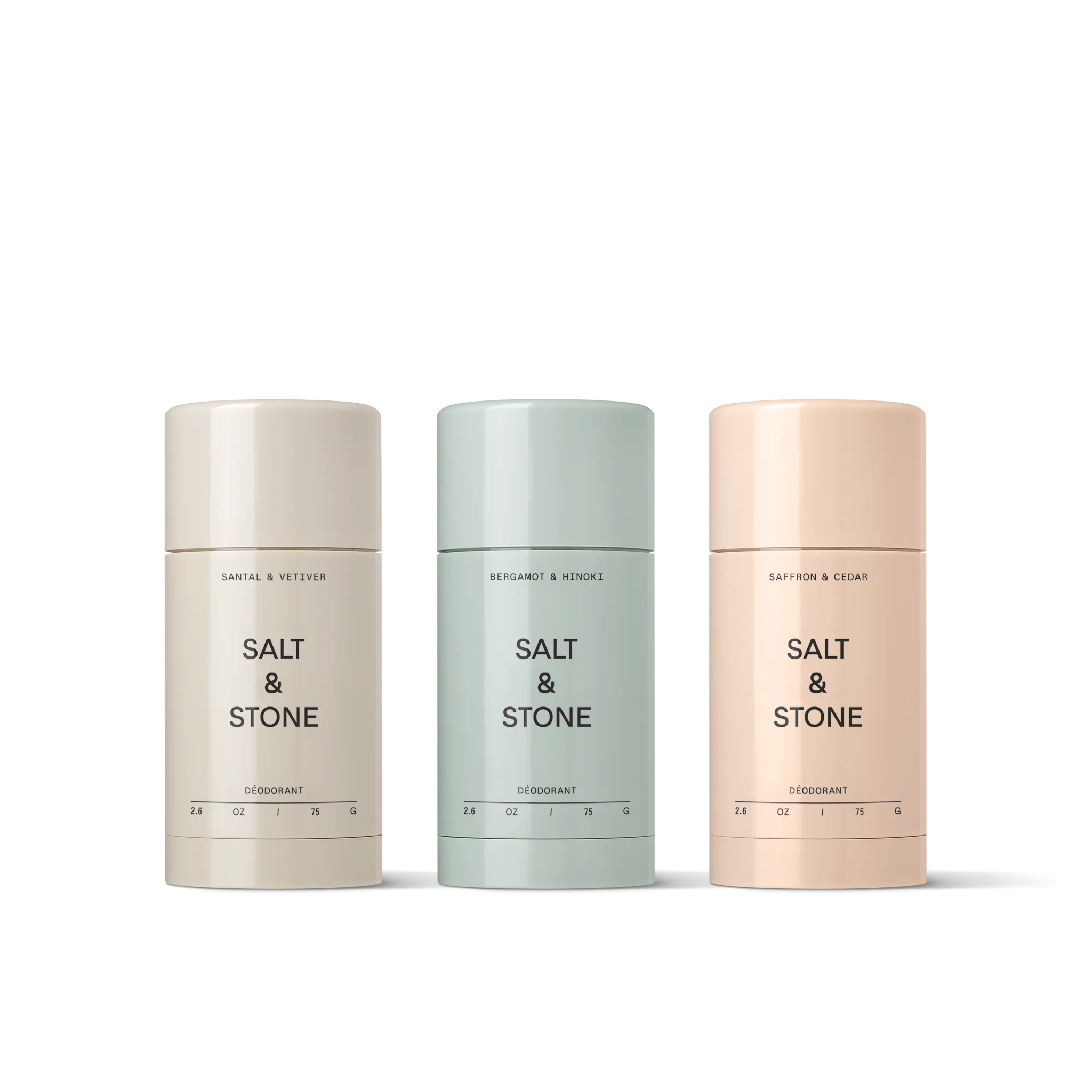
Subscription services are making it easy to sample multiple formulas without commitment. A Discovery Duo allows you to test two different deodorant formulations side by side, so you can compare how they perform during your daily routine. This approach reduces waste because you only buy what works for you.
Scent Innovations: From Subtle to Statement
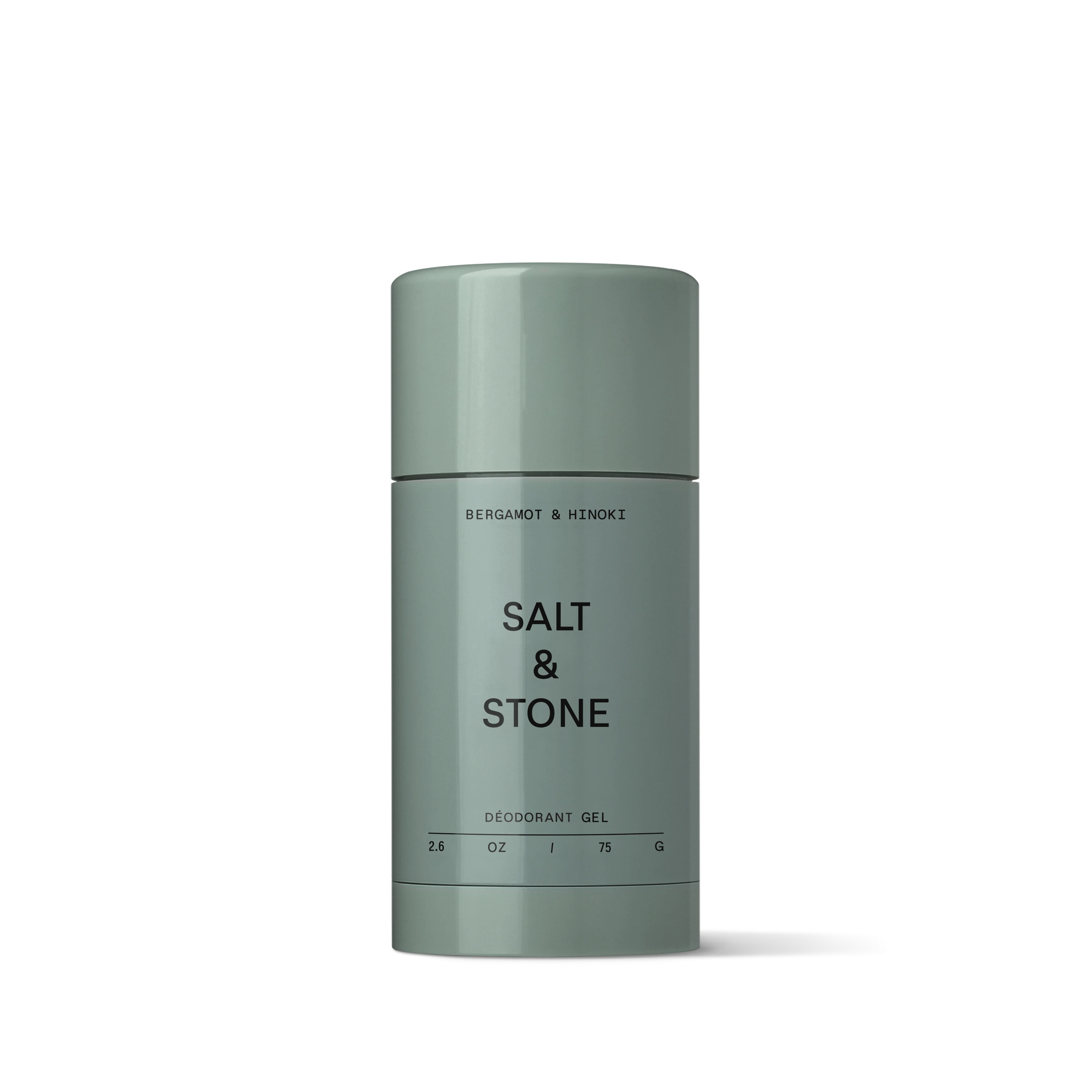
Fragrance in natural deodorant has evolved from neutral or vaguely floral to sophisticated, layered scents that stand on their own. Essential oil blends are now crafted by perfumers, offering notes like bergamot, hinoki, vetiver, and oud. These scents are designed to complement rather than clash with body mists and perfumes.
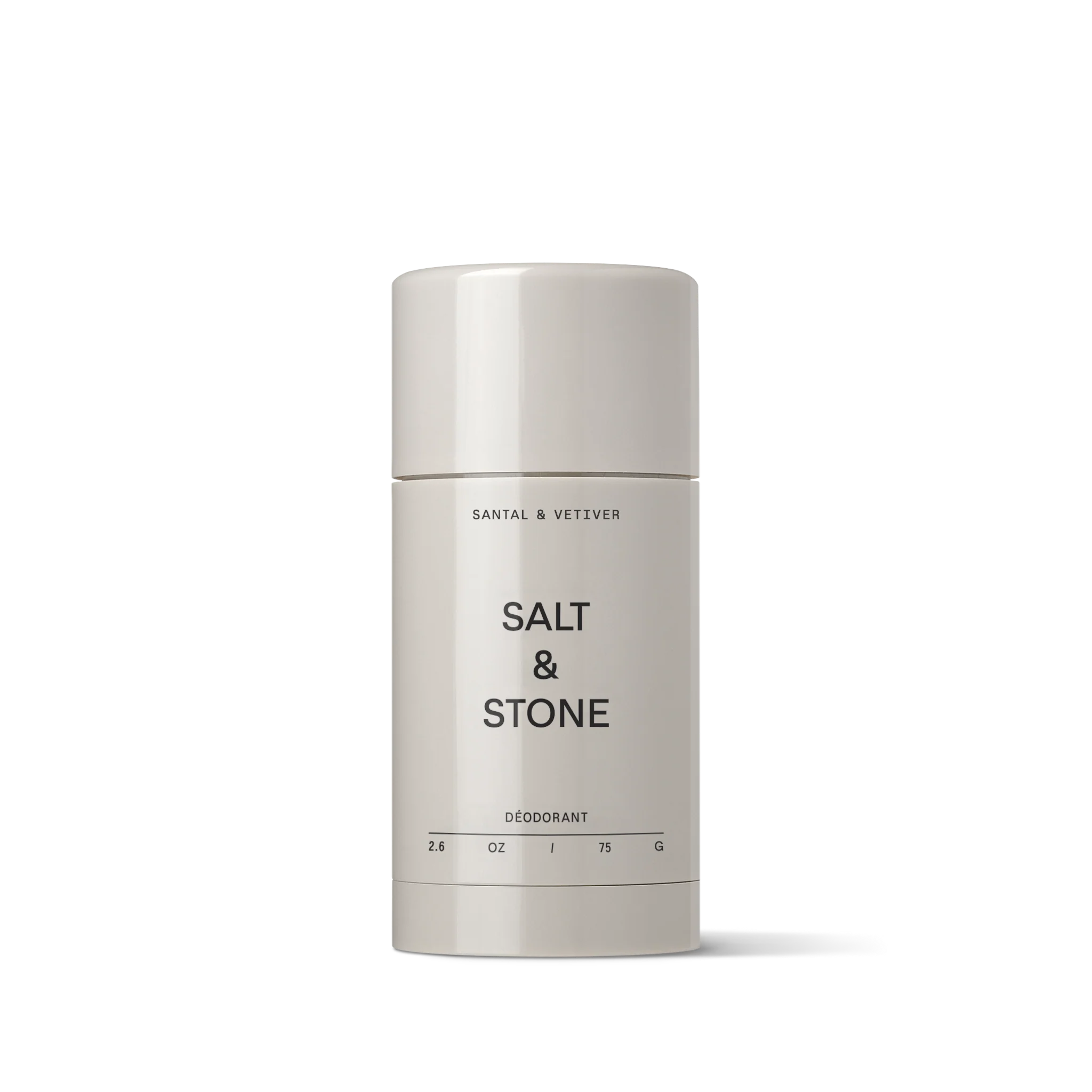
For example, a deodorant with sandalwood and cedar can pair beautifully with a Body Cream or body mist in a similar woody family. This opens the door for scent layering—a trend that is reshaping how people think about their daily fragrance routine.
What to Look for When Choosing a Natural Deodorant in 2025
With so many options, it helps to have a checklist:
- Check the ingredient list: Look for probiotics, enzymes, or plant-derived powders. Avoid baking soda if you have sensitive skin.
- Consider the packaging: Refillable metal cases or compostable tubes are the most eco-friendly choices.
- Think about your routine: If you use multiple body care products, choose a deodorant that complements your existing scents.
- Test before committing: A discovery set lets you sample different formulas and scents to find your perfect match.
The Bottom Line
The future of natural deodorant is bright, driven by scientific advancements that make these products work better than ever, combined with packaging innovations that align with eco-conscious values. By 2025, the market will be dominated by personalized, probiotic-rich formulas housed in refillable or compostable containers. Whether you're building a capsule body care wardrobe or simply want one reliable stick, the options are more effective, luxurious, and sustainable than ever before.
If you're ready to upgrade your routine, explore our curated selection of natural deodorants and body care essentials. Start with the Santal Set for a warm, woody scent that layers beautifully with your daily mist or lotion.