How to Choose the Best Hand Cream for Your Skin Type: Ultimate Moisturizing Guide
By Saltandstoneonline | Published: 2026-06-03
Category: How-to Guides
Discover how to pick the perfect hand cream for dry, oily, or sensitive skin. Expert tips, ingredient insights, and product recommendations to keep your hands soft and hydrated.
Your hands work hard every day—typing, washing, cooking, and braving the elements. Yet hand care is often an afterthought, relegated to whatever lotion is closest when dryness strikes. But just like your face, your hands have unique needs based on your skin type. Choosing the right hand cream can mean the difference between temporary relief and lasting hydration. In this comprehensive guide, we'll walk you through how to select the best hand cream for your specific skin type, ensuring your hands stay soft, smooth, and healthy year-round.
Why Hand Cream Matters More Than You Think
The skin on your hands is thinner than on most of your body and has fewer oil glands, making it prone to dryness and irritation. Frequent hand washing, sanitizers, and cold weather strip away natural moisture, leaving hands feeling tight or cracked. A quality hand cream acts as a barrier, locking in hydration and repairing the skin barrier. But not all hand creams are created equal—matching the formula to your skin type is key.
Understanding Your Skin Type for Hand Care
Before you shop, take a moment to assess your hand skin. Is it constantly parched and flaky? Does it feel greasy soon after applying lotion? Or do you struggle with redness and stinging when using scented products? Here's a breakdown of common skin types and what to look for in a hand cream.
Dry Skin: Rich, Emollient Formulas Are Your Best Friend
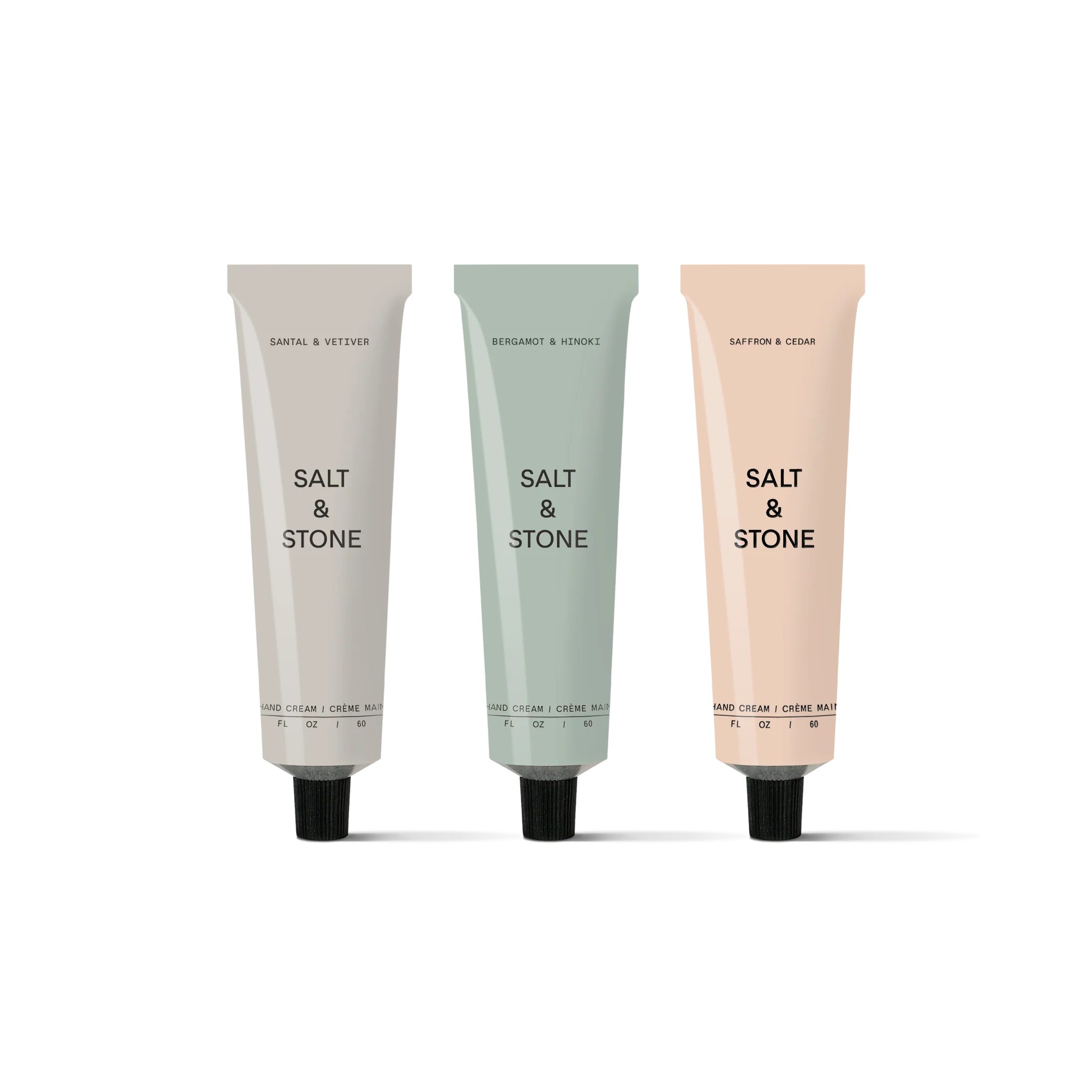
If your hands feel rough, tight, or show visible cracking, you have dry skin. The key is to look for creams with occlusive ingredients like shea butter, lanolin, or beeswax that seal moisture in. Humectants like glycerin and hyaluronic acid draw water into the skin, while emollients like squalane smooth the surface. Avoid anything with alcohol or heavy fragrances that can further dehydrate. For intense repair, consider a cream with ceramides to rebuild the barrier. A great option to try is the Best Sellers Set, which includes a rich hand cream formula designed to combat severe dryness.
Oily or Combination Skin: Lightweight, Non-Greasy Options
Oily skin on your hands might sound unusual, but if you notice a slick film after applying lotion, you need a lighter texture. Look for gel-based creams or water-rich lotions that absorb quickly without leaving residue. Ingredients like aloe vera, niacinamide, and dimethicone provide hydration without clogging pores. Avoid heavy butters and oils. A balancing hand cream with a fresh, clean scent can be a game-changer—pair it with a matching Deodorant for a consistent fragrance experience throughout your day.
Sensitive Skin: Gentle, Fragrance-Free Formulations
Sensitive skin reacts to irritants with redness, itching, or burning. Your priority should be minimal ingredients and soothing compounds like colloidal oatmeal, calendula, or panthenol. Fragrance-free is non-negotiable. Also, avoid preservatives like parabens and formaldehyde-releasers. A hypoallergenic hand cream with ceramides or allantoin can calm inflammation. For a truly gentle option, explore the Discovery Duo, which allows you to test two mild, soothing formulas before committing to a full size.
Key Ingredients to Look For (and Avoid)
Reading ingredient labels can be overwhelming, but a few key players make a big difference. For deep moisturizing, seek out shea butter, cocoa butter, or jojoba oil—they mimic the skin's natural sebum. For water-binding, glycerin, honey, and hyaluronic acid are effective. For repair, ceramides and peptides help strengthen the skin barrier. On the avoid list: denatured alcohol (can strip oils), synthetic fragrances (common allergens), and sulfates (harsh detergents).
Comparison Table: Best Hand Cream Ingredients by Skin Type
| Skin Type | Best Ingredients | Ingredients to Avoid |
|---|---|---|
| Dry | Shea butter, lanolin, ceramides, glycerin | Alcohol, strong fragrances |
| Oily/Combination | Aloe vera, niacinamide, dimethicone | Heavy oils, beeswax |
| Sensitive | Colloidal oatmeal, calendula, panthenol | Parabens, phthalates, synthetic dyes |
Texture Matters: Cream vs. Lotion vs. Balm
Beyond ingredients, the texture of your hand cream affects both effectiveness and feel. Hand creams are typically thicker and richer, best for dry or mature skin. Lotions are lighter and absorb faster, ideal for daytime use or oily skin. Balms are ultra-rich and concentrated, often used as overnight treatments for extremely cracked hands. If you're unsure, start with a medium-weight cream and adjust based on how your skin feels an hour after application.
How to Apply Hand Cream for Best Results
Even the best formula won't work if you apply it incorrectly. For optimal absorption, apply hand cream to slightly damp skin after washing. Use a pea-sized amount for each hand, focusing on the back of hands and cuticles—the palms absorb quickly but the back needs extra care. Massage in upward strokes toward the wrist. For overnight repair, apply a thick layer and wear cotton gloves to bed. Reapply after every hand wash or at least 2-3 times a day.
Seasonal Adjustments for Hand Care
Your hand cream needs change with the seasons. In winter, switch to a heavier balm or cream with richer occlusives. In summer, a lotion or gel-based formula works best to avoid a sticky feel. Don't forget SPF—hands are exposed to UV rays all year, and many hand creams now include sun protection. For travel, consider mini sizes or sets that let you rotate seasonally.
Common Hand Cream Mistakes to Avoid
- Overapplication: Too much cream can feel greasy and trap dirt. Stick to a pea-sized amount.
- Ignoring the cuticles: Your cuticles need moisture too; massage cream into the nail bed.
- Skipping sunscreen: Hands show signs of aging quickly. Use a cream with SPF during the day.
- Using body lotion: Body lotions aren't concentrated enough for hands; invest in a dedicated hand cream.
When to See a Dermatologist
If your hands remain red, cracked, or painful despite consistent moisturizing, you may have a condition like eczema or contact dermatitis. A dermatologist can recommend prescription-strength ointments or patch test for allergens. In the meantime, keep it simple—fragrance-free, hypoallergenic hand creams are your safest bet.
Building a Complete Hand Care Routine
For the best results, layer your products. Start with a gentle hand wash, pat dry, then apply hand cream. A few times a week, exfoliate with a sugar scrub to remove dead skin cells. Finish with a cuticle oil for extra nourishment. This routine works wonders, especially if you pair it with a consistent scent from your body care line—try a matching body mist for a subtle, lasting fragrance that complements your hand cream.
Taking care of your hands is an investment in your overall well-being. With the right hand cream tailored to your skin type, you can prevent premature aging, soothe irritation, and enjoy touchably soft hands every day.
Ready to find your perfect match? Explore the curated selection at Best Sellers Set to discover a hand cream formulated for your needs. Your hands will thank you.