How to Read a Fragrance Note Pyramid: Top, Middle, and Base Notes Explained with Examples from Our Scent Families
By Saltandstoneonline | Published: 2026-06-09
Category: How-to Guides
Learn how to decode a fragrance note pyramid—top, middle, and base notes—with clear examples from popular scent families like Bergamot & Hinoki and Neroli & Basil. Master perfume notes explained and elevate your fragrance layering skills.
Have you ever spritzed a perfume or body mist and been amazed by the initial burst of citrus, only to find it fades within an hour, leaving a completely different, warmer scent behind? That’s the magic of a fragrance note pyramid at work. Understanding this structure—top notes, middle (or heart) notes, and base notes—is the key to choosing a scent that evolves beautifully on your skin and lasts all day. In this guide, we’ll break down each layer with real examples from our scent families, including Deodorant and Body Lotion, so you can confidently navigate the world of fragrance like a pro.
What Is a Fragrance Note Pyramid?
A fragrance note pyramid is a visual representation of how a perfume or scented product unfolds over time. It’s divided into three layers: top notes (the first impression), middle notes (the heart), and base notes (the foundation). Together, these notes create a harmonious journey that starts bright, deepens into complexity, and settles into a lingering finish. For example, a scent like Bergamot & Hinoki might hit you with a zesty, citrusy top note, then reveal a woody, aromatic heart, and finally rest on a warm, resinous base. This structure is essential for fragrance layering, where you combine products to create a personalized, long-lasting aroma.
Top Notes: The Opening Act
Top notes are the first thing you smell when you apply a fragrance. They’re typically light, volatile, and evaporate quickly—usually within 15 to 30 minutes. Their job is to grab your attention and make a memorable first impression. Common top notes include citrus fruits (lemon, bergamot, orange), light florals (neroli, lavender), and fresh herbs (basil, mint). Because they fade fast, they don’t represent the full fragrance; they’re the invitation to the rest of the journey.
Example: Bergamot & Hinoki
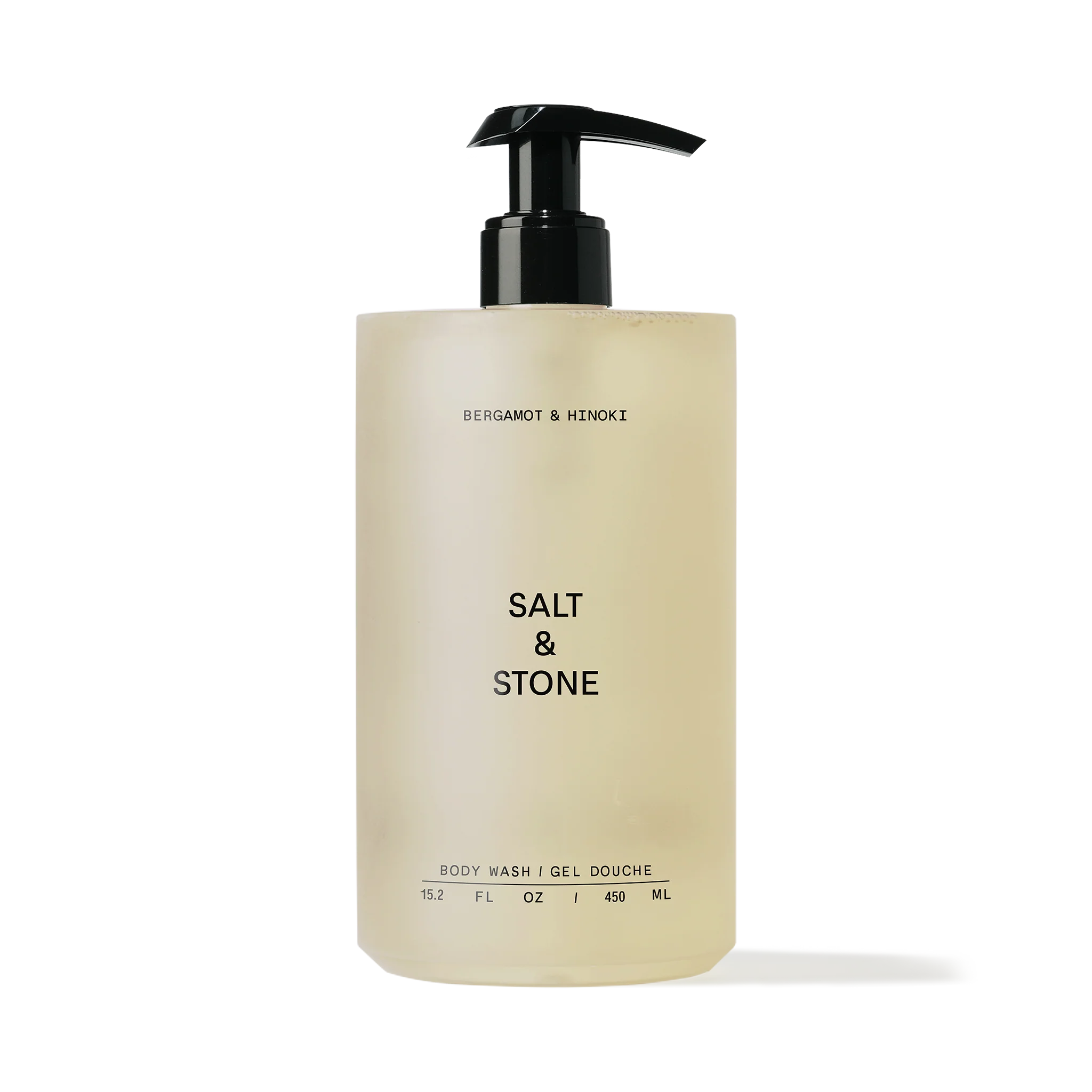
In the Bergamot & Hinoki scent family, the top note is bright, sparkling bergamot—a citrus with a slightly floral, almost tea-like character. It hits you first, offering an energizing, uplifting start. This is why a Deodorant in this scent is perfect for mornings: the initial burst wakes you up, while the deeper notes linger subtly throughout the day. If you’re new to fragrance profiling, start by noticing how quickly the top note fades on your skin—it’s a great way to train your nose.
Middle Notes: The Heart of the Scent
Middle notes, also called heart notes, emerge as the top notes evaporate. They form the core of the fragrance and typically last for several hours. These notes are fuller and more complex, often featuring floral, spicy, or fruity elements. Their role is to balance the sharpness of the top notes with the depth of the base notes, creating a cohesive story. Classic middle notes include rose, jasmine, cardamom, and nutmeg.
Example: Neroli & Basil
The Neroli & Basil scent family showcases a beautiful middle note of neroli—a delicate, honeyed floral from bitter orange blossoms—paired with the herbal, slightly peppery bite of basil. This combination is both refreshing and grounding, making it ideal for a daytime body lotion. When you use a Body Lotion in Neroli & Basil, the middle note stays with you for hours, providing a gentle, sophisticated aura that doesn’t overpower. To experience the heart note fully, apply the lotion after a shower and pay attention to how the scent changes after 20 minutes.
Base Notes: The Lasting Impression
Base notes are the foundation of the fragrance pyramid. They are the heaviest, longest-lasting molecules, often lingering for hours or even days on clothing and skin. These notes anchor the entire composition, providing depth, warmth, and staying power. Common base notes include woods (sandalwood, cedar), resins (amber, vanilla), musks, and earthy scents like patchouli or vetiver. Without strong base notes, a fragrance would feel fleeting and incomplete.
Example: Santal & Vetiver
Take the Santal & Vetiver scent family: the base note is a creamy, woody sandalwood (santal) combined with the smoky, earthy depth of vetiver. This duo creates a rich, comforting finish that clings to the skin. In a full body care routine, like pairing a body wash with a body cream, the base notes ensure your scent lasts from morning to evening. If you love staying power, look for products that highlight base notes like sandalwood or amber—they’re the secret to a fragrance that doesn’t disappear after lunch.
How to Use the Pyramid for Fragrance Layering
Fragrance layering is the art of combining multiple scented products—like body wash, lotion, and deodorant—to create a custom, long-lasting aroma. Understanding the note pyramid makes this easier. Here’s a simple strategy:
- Start with a base note-heavy product (e.g., a body cream with sandalwood) to create a foundation.
- Add a middle note-dominant product (e.g., a body lotion with neroli) to build complexity.
- Finish with a top note-focused product (e.g., a body mist with bergamot) for that initial burst.
This layering technique ensures that each note type has its moment, and the scent evolves naturally throughout the day. For example, you could pair a Bergamot & Hinoki body wash (top note heavy) with a Neroli & Basil lotion (middle note heavy) and a Santal & Vetiver deodorant (base note heavy) for a well-rounded, personalized fragrance experience. Experiment with different combinations from our scent families to find your signature.
Practical Tips for Reading Fragrance Notes
Here are some quick tips to help you decode any fragrance note pyramid like a pro:
- Always test on skin—chemistry changes how notes develop.
- Wait 10–15 minutes after application to smell the heart notes.
- Check the ingredient list on product pages; brands often list key notes.
- Use a discovery set to compare pyramids side-by-side.
- Layer within the same scent family for a cohesive experience, or mix families for creative contrast.
For instance, if you’re drawn to the warm, woody base of Saffron & Cedar, try layering it with a lighter top note like Bergamot & Hinoki to add a citrusy lift. The possibilities are endless once you understand the structure.
Common Mistakes to Avoid
Even experienced fragrance lovers can slip up. Here are pitfalls to watch for:
- Judging a scent solely by its top notes. That initial citrus might be misleading; always wait for the heart and base.
- Skipping the base notes. A fragrance without a strong base will fade too quickly.
- Over-layering conflicting notes. For example, pairing a very floral heart with a heavily smoky base can clash. Stick to complementary profiles.
- Ignoring your skin type. Oily skin holds base notes longer; dry skin may need a moisturizer as a base layer first.
Why Understanding Notes Improves Your Body Care Routine
When you know how to read a fragrance note pyramid, you can choose products that work together seamlessly. Our scent families—like Bergamot & Hinoki, Neroli & Basil, and Santal & Vetiver—are designed with balanced pyramids, but you can mix them to suit your mood. For example, a morning routine might prioritize bright top notes for energy, while an evening routine focuses on warm, sensual base notes. This knowledge also helps you select gifts for others: if someone loves soft, floral scents, look for heart notes like neroli or rose; if they prefer earthy, grounding aromas, go for base notes like sandalwood or vetiver.
Final Thoughts
The fragrance note pyramid is your roadmap to a more intentional, enjoyable scent experience. By understanding top, middle, and base notes, you can decode any perfume, layer products like a pro, and find scents that truly resonate with you. Whether you’re spritzing a body mist or smoothing on a body cream, take a moment to appreciate how the fragrance unfolds—it’s a small ritual that makes your routine feel luxurious.
Ready to put your new knowledge into practice? Explore our Discovery Duo to sample different note pyramids from our scent families and find your perfect match.