How to Read a Body Care Product Ingredient List: A Beginner's Guide
By Saltandstoneonline | Published: 2026-05-31
Category: How-to Guides
Learn to decode body care ingredient labels like a pro. This beginner's guide covers key terms, natural vs. synthetic ingredients, and how to choose safer products.
Walking down the personal care aisle can feel like reading a foreign language. Between unpronounceable chemical names, marketing buzzwords like "natural" and "clean," and tiny font sizes, it is easy to feel overwhelmed. But learning how to read a body care product ingredient list is one of the most empowering skills you can develop for your health and skincare routine. Whether you are shopping for a new Body Wash or a moisturizer, understanding labels helps you choose products that truly work for your skin.
Why Ingredient Labels Matter
Your skin is your largest organ, and it absorbs a significant portion of what you put on it. Ingredients in body care products can affect everything from hydration levels to sensitivity. Knowing what is in your products allows you to avoid irritants, allergens, and unnecessary chemicals, while seeking out beneficial active ingredients that support your skin's health. Furthermore, ingredient transparency builds trust between you and the brands you love.
The Basics: How to Read an Ingredient List
In many countries, ingredient lists follow a standardized format. Ingredients are listed in descending order by weight. This means the first few ingredients make up the majority of the product, while ingredients at the end are present in smaller amounts. However, even trace amounts of potent actives or preservatives can be effective, so do not ignore the end of the list.
Decoding the First Ingredients
The first ingredient in most body washes and lotions is water (often listed as Aqua). Next come cleansing agents, emollients, or humectants. For example, in a body wash, you might see sodium laureth sulfate or cocamidopropyl betaine as primary surfactants. In a moisturizer, look for glycerin, shea butter, or oils early in the list—these are key hydrators.
Common Body Care Ingredient Categories
To confidently read a label, familiarize yourself with these common categories:
- Surfactants (cleansers): Sodium laureth sulfate (SLES), coco-glucoside, decyl glucoside. These create lather and remove dirt.
- Emollients (moisturizers): Shea butter, jojoba oil, squalane, coconut oil. They soften and smooth skin.
- Humectants (water attractors): Glycerin, hyaluronic acid, aloe vera. They draw moisture into the skin.
- Preservatives: Phenoxyethanol, ethylhexylglycerin, sodium benzoate. These prevent microbial growth.
- Fragrance: Often listed as "parfum" or specific essential oils. Fragrance can be a common irritant.
- pH adjusters: Citric acid, sodium hydroxide. They balance the product's acidity.
Natural vs. Synthetic: What’s the Difference?
The line between natural and synthetic ingredients is not always clear. Natural ingredients come from plants, minerals, or animals, while synthetic ones are lab-created. Both can be safe and effective. For instance, glycerin can be derived from vegetable oils (natural) or petroleum (synthetic), but they function identically in formulas. What matters most is how your skin reacts. Some people prefer natural deodorants to avoid aluminum compounds, but synthetic preservatives are often necessary to ensure product safety and longevity.
Key Terms to Watch For
- Fragrance-free: No added fragrance, but may have a natural scent from ingredients.
- Hypoallergenic: Less likely to cause allergic reactions, but not guaranteed.
- Non-comedogenic: Won't clog pores—important for acne-prone skin.
- Paraben-free: No parabens (preservatives that some people avoid).
- Sulfate-free: No SLS or SLES; gentler for sensitive skin.
How to Spot Problematic Ingredients
While everyone’s skin is different, some ingredients are known to cause irritation for many people. Common culprits include:
- Alcohol denat. (drying alcohol)
- Artificial dyes (e.g., FD&C Red 40)
- Parabens (methylparaben, propylparaben)
- Phthalates (often hidden in "fragrance")
- Formaldehyde-releasing preservatives (like DMDM hydantoin)
If you have sensitive skin, consider patch testing new products or opting for simpler formulas. Many Deodorant Gel options now avoid aluminum and baking soda, making them suitable for delicate underarm skin.
Benefits of Minimalist Ingredient Lists
Shorter ingredient lists often indicate a product with fewer additives. This can be beneficial for those with allergies or reactive skin. However, a long list is not always bad—some products need multiple ingredients to achieve a specific texture, preservation, or efficacy. The key is understanding what each ingredient does.
Reading Between the Lines: Marketing vs. Reality
Terms like "clean," "green," and "natural" are not regulated. A product labeled "natural" may still contain synthetic preservatives. Always read the actual ingredient list rather than relying on front-label claims. Look for certifications like USDA Organic or ECOCERT for added assurance.
Practical Steps for Beginners
- Start with your current products. Read the labels of your body wash, lotion, and deodorant. Note the first five ingredients and look them up online or in an ingredient dictionary.
- Use reliable resources. Websites like the Environmental Working Group (EWG) Skin Deep database or INCI Decoder can explain ingredients in plain language.
- Focus on your needs. Are you looking for extra hydration? Look for glycerin, shea butter, or ceramides. Sensitive skin? Avoid fragrance and drying alcohols.
- Don't fear preservatives. Preservatives are essential for preventing bacterial growth. Safe options include phenoxyethanol and potassium sorbate.
- Patch test new products. Apply a small amount to your inner arm for 24 hours before full use.
Putting It All Together: A Sample Label Walkthrough
Let's take a hypothetical body lotion label: Aqua, Glycerin, Cetearyl Alcohol, Caprylic/Capric Triglyceride, Butyrospermum Parkii (Shea) Butter, Phenoxyethanol, Parfum, Tocopherol, Xanthan Gum. This product is water-based, with glycerin as the main humectant. Cetearyl alcohol is a fatty alcohol (emollient, not drying). Shea butter adds richness. Phenoxyethanol preserves the formula. The presence of parfum means there is added fragrance, which may be fine for some but irritating for others. Tocopherol (vitamin E) provides antioxidant benefits.
How Body Care Ingredients Differ by Product
Different products have different primary functions. Body washes need surfactants to cleanse, while creams rely on oils and butters. Deodorants often include antimicrobial agents like zinc ricinoleate or baking soda. For example, a Deodorant might list Maranta Arundinacea Root Powder (arrowroot) as a natural absorbent. Understanding these categories helps you make informed choices.
Conclusion
Reading a body care ingredient list does not have to be intimidating. Start small, focus on the first few ingredients, and use trusted resources to decode unfamiliar names. Over time, you will build a personal glossary that helps you quickly identify beneficial ingredients and avoid potential irritants. The more you know, the better choices you can make for your skin and overall well-being.
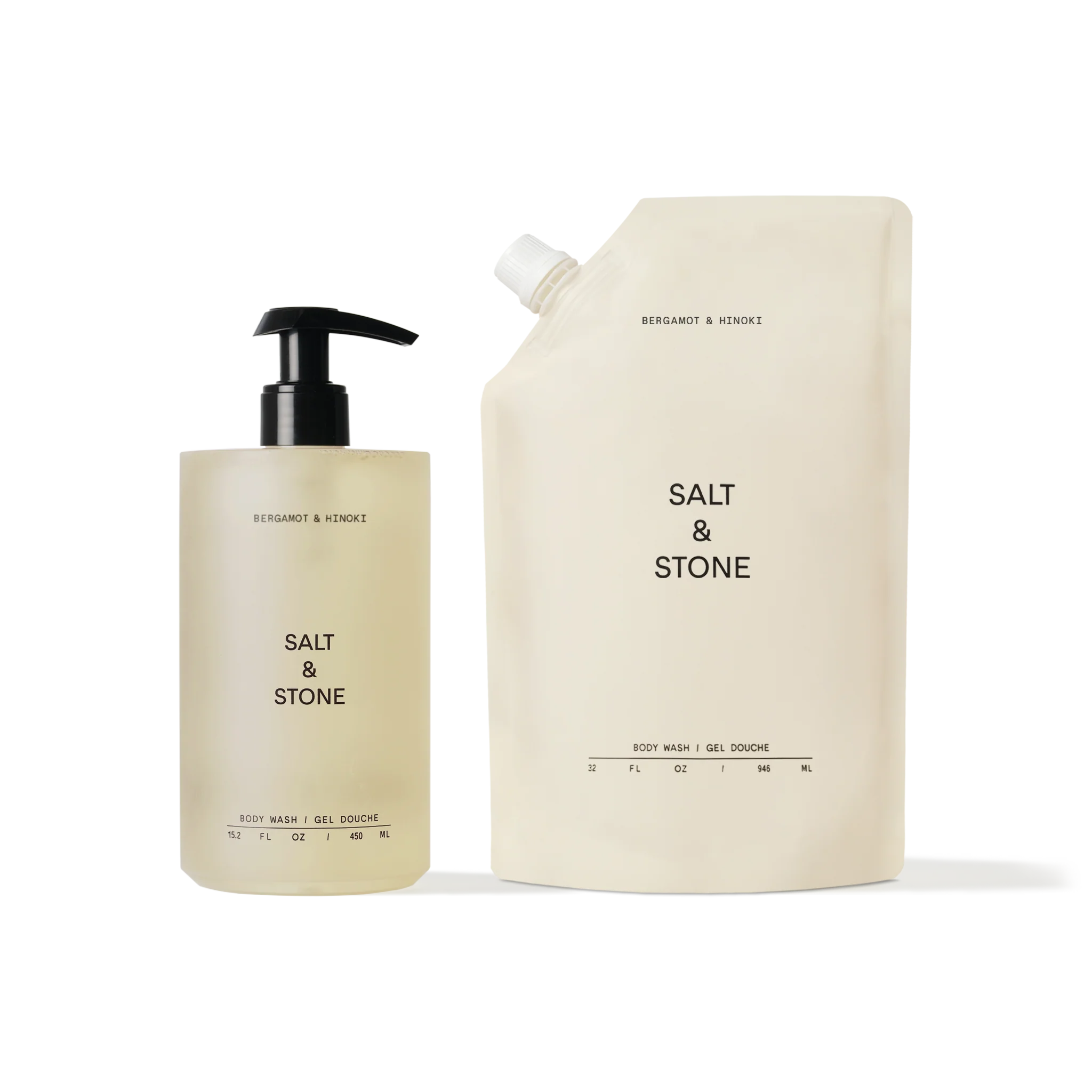
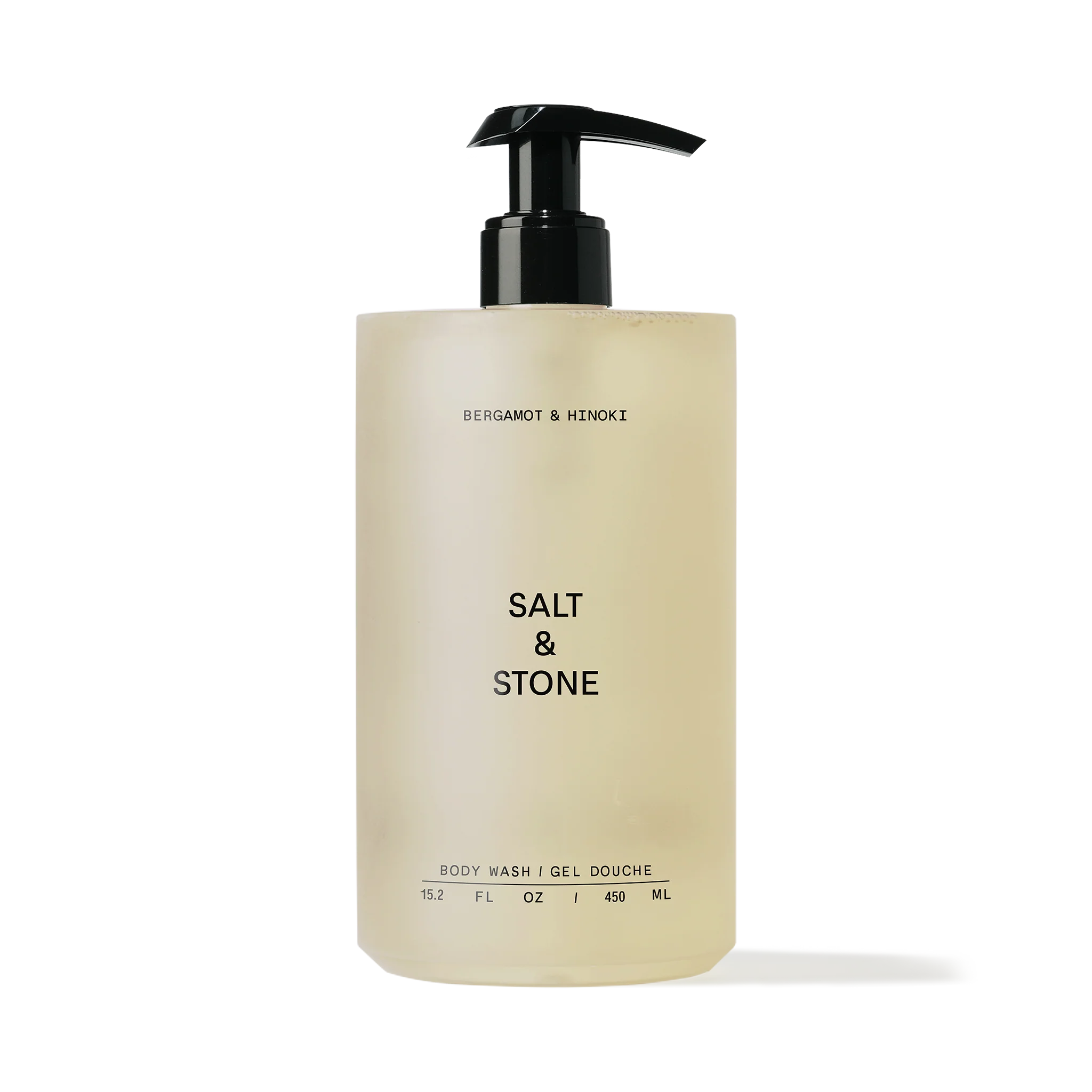
Ready to put your new knowledge to the test? Explore our collection of thoughtfully formulated body care, including the gentle and effective Body Wash that features a balanced blend of cleansing and moisturizing ingredients. Your skin will thank you.