The Art of Deodorant: How Natural Ingredients Keep You Fresh All Day
By Saltandstoneonline | Published: 2026-05-23
Category: How-to Guides
Discover why natural, aluminum-free deodorant is better for your skin and how ingredients like baking soda, arrowroot powder, and essential oils deliver long-lasting freshness. Plus, learn to layer with body mist and body wash for all-day confidence.
When it comes to personal care, few products are as essential—and as misunderstood—as deodorant. For years, the market has been dominated by antiperspirants packed with aluminum compounds, synthetic fragrances, and parabens. But a quiet revolution is underway. More and more people are turning to natural deodorant options that work with your body, not against it. At Saltandstoneonline, we believe that effective freshness doesn’t have to come at the cost of your health. In this guide, we’ll explore the science behind natural deodorant, the key ingredients that keep you fresh all day, and how to build a fragrance-layering routine that lasts from morning to night.
Why Go Natural? The Case for Aluminum-Free Deodorant
Traditional antiperspirants use aluminum salts to temporarily block sweat ducts, reducing perspiration. While effective, this approach has raised concerns. Aluminum has been linked to skin irritation, clogged pores, and even potential long-term health risks (though research is ongoing). Natural deodorants, on the other hand, don’t stop you from sweating—they neutralize odor and absorb moisture. Sweating is your body’s natural cooling mechanism, and healthy sweat is actually odorless. The smell comes from bacteria breaking down proteins in your sweat on the skin’s surface. Natural deodorants target these bacteria and control moisture, keeping you fresh without interfering with your body’s biology.
Switching to an aluminum-free deodorant can also improve your skin’s health. Many conventional deodorants contain alcohol, which can dry out and irritate underarm skin. Natural formulas often incorporate soothing ingredients like coconut oil, shea butter, and aloe vera to moisturize and protect. If you’ve ever experienced red, itchy underarms after using a typical stick, a natural deodorant could be the gentle solution you’ve been seeking.
Key Ingredients in Natural Deodorants: What to Look For
Not all natural deodorants are created equal. The effectiveness of a natural deodorant depends on its ingredient formula. Here’s what to look for when reading the label:
Baking Soda (Sodium Bicarbonate)
Baking soda is a powerhouse odor neutralizer. It creates an alkaline environment that bacteria dislike, effectively reducing odor. However, some people find it irritating, especially during the transition phase when your body adjusts. If you have sensitive skin, look for deodorants with a lower concentration of baking soda or alternatives like magnesium hydroxide.
Arrowroot Powder or Tapioca Starch
These starches are excellent at absorbing moisture without leaving a sticky residue. They keep your underarms dry and comfortable, which is key for long-lasting freshness. Arrowroot powder is particularly gentle and is often used in formulations for sensitive skin.
Coconut Oil
Coconut oil has natural antibacterial and antimicrobial properties. It helps fight odor-causing bacteria while moisturizing the skin. In a deodorant, it provides a smooth glide and helps the other ingredients adhere to your skin.
Shea Butter or Cocoa Butter
These butters offer deep moisturization and a creamy texture. They help soothe the skin and reduce friction, which is especially important if you shave your underarms. Shea butter also contains vitamins A and E, which nourish the skin over time.
Essential Oils
Essential oils are the heart of natural fragrance in deodorants. They not only smell wonderful but also possess antimicrobial properties. For example, tea tree oil and lavender oil are known for their bacteria-fighting abilities. Citrus oils like bergamot or sweet orange add a fresh, uplifting scent. High-quality natural deodorants use pure essential oils, avoiding synthetic phthalates that can disrupt hormones.
Zinc Ricinoleate
This zinc-based compound is a powerful odor neutralizer often found in natural deodorants. It works by trapping odor molecules and preventing them from being released. It’s a great option for people who need extra odor protection without harsh chemicals.
How to Transition to Natural Deodorant Successfully
If you’ve been using antiperspirant for years, your body may need a transition period when switching to natural deodorant. This can last from a few days to a few weeks. During this time, you might notice increased sweating or odor as your body flushes out the aluminum and your microbiome adjusts. Here are tips to make the switch smoother:
- Start on a weekend or during a low-stress period to let your body adjust.
- Exfoliate your underarms gently once or twice a week to remove buildup from old products.
- Use a detox mask with bentonite clay or apple cider vinegar to help draw out impurities (do a patch test first).
- Apply deodorant to clean, dry skin right after showering for best adherence.
- Be patient—your body will adapt, and the results are worth it.
Layering for Long-Lasting Freshness: Beyond the Stick
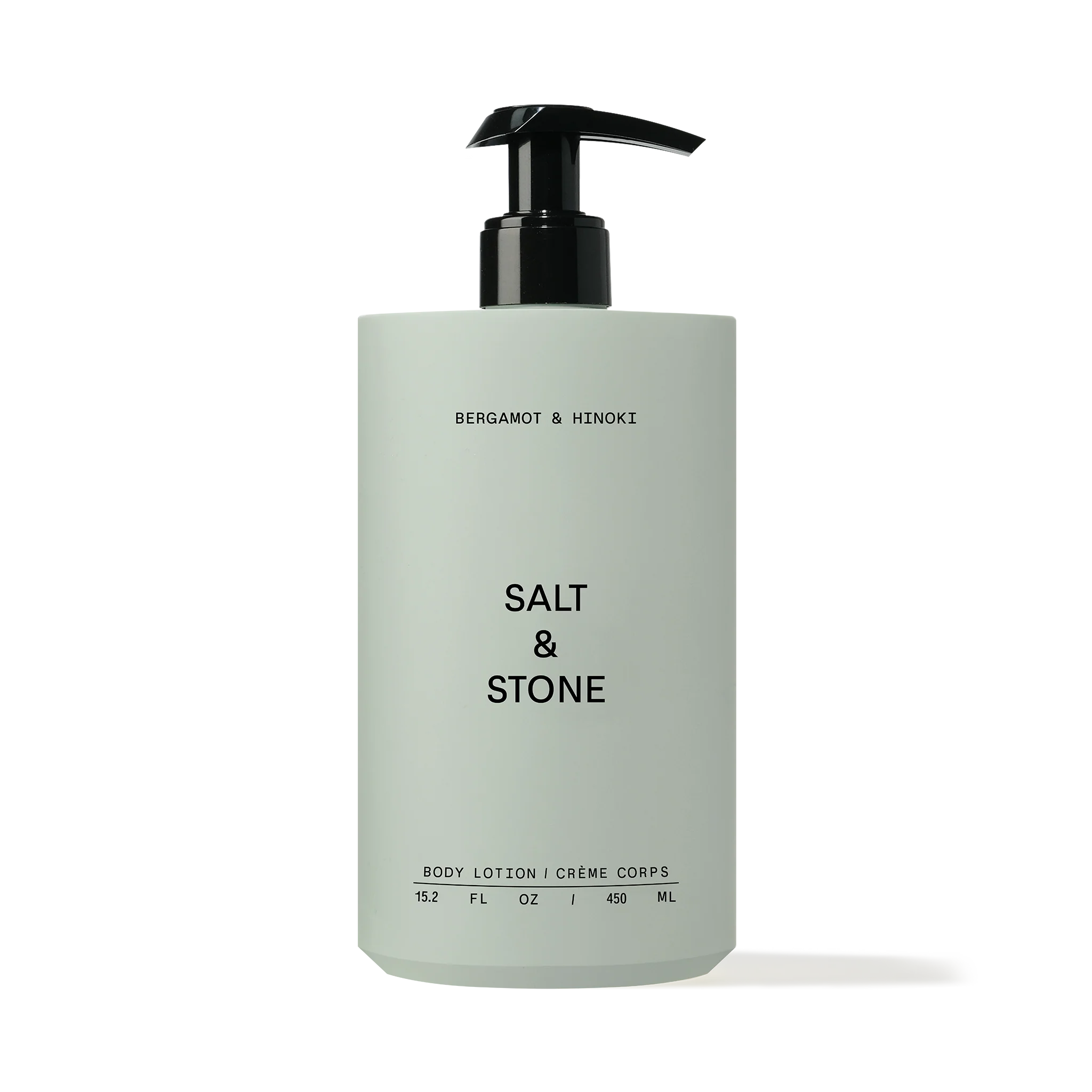
One of the most effective ways to extend your deodorant’s performance is to pair it with complementary products from a coordinated fragrance line. At Saltandstoneonline, we recommend a full-body approach to scent and freshness. Start with a gentle, fragrant Spirulina & Yuzu Facial Cleanser to cleanse your skin—yes, it’s for your face, but its refreshing, purifying properties set a clean base for the rest of your routine. After your shower, apply your natural deodorant, then follow with a body lotion or mist that shares similar notes. This creates a “scent cloud” that lasts longer and smells more cohesive.
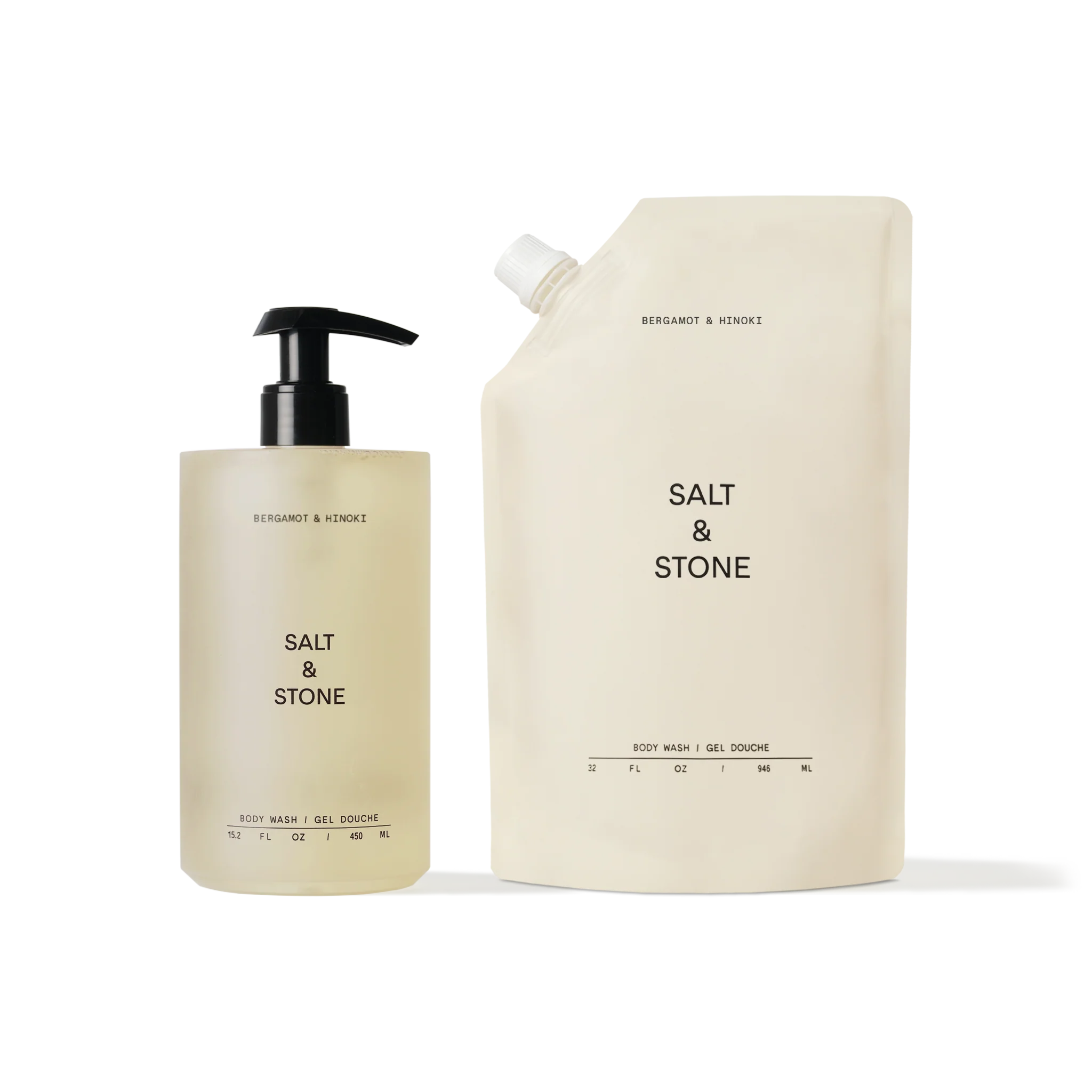
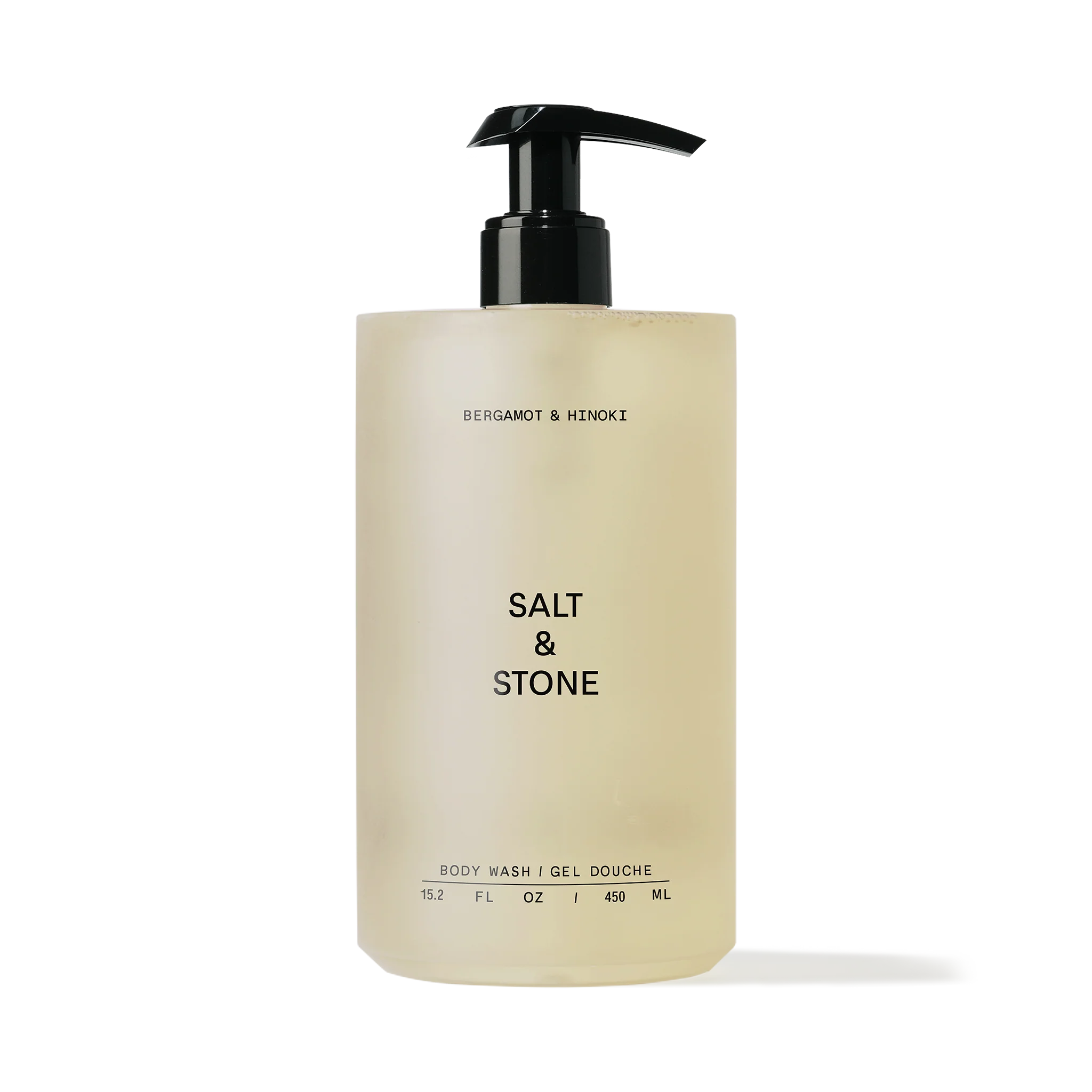
For example, if your deodorant carries a fresh, herbal scent, you can amplify it with a Body Mist Discovery Set to find your perfect match. A light spritz on pulse points—wrists, neck, behind the knees—keeps you smelling fresh without overpowering. The body mist also adds a layer of moisture, which helps the fragrance adhere to your skin. For an even more opulent feel, use a matching body wash in the shower. The Body Wash Discovery Set lets you test different scents to find the one that complements your deodorant best.
Natural Deodorant vs. Antiperspirant: A Quick Comparison
| Feature | Natural Deodorant | Antiperspirant |
|---|---|---|
| Mechanism | Neutralizes odor, absorbs moisture | Blocks sweat ducts with aluminum |
| Key Ingredients | Baking soda, arrowroot, essential oils | Aluminum salts, synthetic fragrances |
| Skin Impact | Moisturizing, often gentle | Can cause irritation, clogged pores |
| Longevity | Up to 24 hours (varies by formula) | Usually 24–48 hours |
| Health Concerns | Minimal (no aluminum) | Potential links to breast cancer (studies inconclusive) |
| Transition Phase | May need 1–3 weeks adjustment | No adjustment needed |
Choosing the Right Natural Deodorant for Your Lifestyle
There’s no one-size-fits-all answer. Consider your activity level, sensitivity, and scent preferences. If you’re very active or live in a humid climate, look for a deodorant with strong moisture absorption—arrowroot powder and coconut oil are great. If you have sensitive skin, choose a formula without baking soda, or one that uses magnesium hydroxide instead. For scent, think about what notes make you feel confident. Woody, earthy scents like sandalwood and vetiver are grounding, while citrus and floral notes are invigorating.
Many natural deodorants come in different forms: sticks, creams, roll-ons, and even sprays. Sticks are convenient for travel, creams offer maximum hydration, and sprays are quick-drying. Each has its own pros and cons, so it’s worth trying a few to see what fits your routine.
Common Myths About Natural Deodorant—Debunked
Myth 1: Natural deodorant doesn’t work as well. Truth: Many high-quality natural deodorants provide excellent odor protection for 12–24 hours. The key is using the right formula for your body chemistry.
Myth 2: You can’t use natural deodorant if you sweat a lot. Truth: Natural deodorant doesn’t stop sweat, but it manages moisture and odor. If you’re a heavy sweater, pair it with moisture-wicking fabrics and reapply if needed.
Myth 3: Natural deodorant causes rashes. Truth: Some people react to baking soda, but there are baking soda-free options. Always patch test a new product.
Myth 4: You have to “detox” your armpits. Truth: While a detox phase can help some people, it’s not mandatory. Your body will naturally adjust over time.
Final Thoughts: Freshness, Naturally
Making the switch to natural deodorant is a small change that can have a big impact on your skin health and overall well-being. By understanding the ingredients and how they work, you can choose a product that keeps you fresh, confident, and aligned with your values. And remember, freshness isn’t just about your underarms—it’s a full-body feeling. Layering your deodorant with complementary products like body washes, lotions, and mists creates a signature scent that lasts all day.
Ready to elevate your daily routine? Explore our Best Sellers Set to discover a curated collection of natural, aluminum-free deodorants and complementary body care products that will keep you fresh from morning to night. Your skin—and your senses—will thank you.