Why Natural Deodorant Works: The Science Behind Aluminum-Free Formulas
By Saltandstoneonline | Published: 2026-05-24
Category: Industry News
Discover the science behind aluminum-free deodorant—how natural ingredients neutralize odor, support skin health, and keep you fresh without harsh chemicals.
Over the past decade, the deodorant aisle has undergone a quiet revolution. More people are swapping traditional antiperspirants for natural deodorants, driven by concerns about aluminum, parabens, and synthetic fragrances. But does natural deodorant actually work? The short answer is yes—when you understand the science. Unlike antiperspirants that block sweat glands with aluminum salts, natural deodorants use a different mechanism: they neutralize odor-causing bacteria and absorb moisture without interfering with your body’s natural cooling process. In this article, we’ll break down the chemistry, the key ingredients, and why aluminum-free formulas are gaining ground as a smarter, healthier choice for your daily routine.
The Problem with Aluminum in Antiperspirants
To understand why natural deodorant is effective, it helps to know what it’s replacing. Traditional antiperspirants rely on aluminum-based compounds—such as aluminum chlorohydrate or aluminum zirconium—that temporarily plug sweat ducts. This prevents sweat from reaching the skin’s surface, reducing wetness. While the FDA considers aluminum safe in low doses, concerns linger. Some studies have linked aluminum accumulation in breast tissue to potential health risks, though definitive proof is still lacking. What is clear is that aluminum can cause skin irritation, especially for those with sensitive skin, and it disrupts the body’s natural thermoregulation. Natural deodorants avoid this entirely by focusing on odor control rather than sweat prevention.
How Natural Deodorant Works: The Science of Odor Control
Sweat itself is mostly odorless. Body odor arises when bacteria on your skin break down proteins and fatty acids in sweat, producing volatile compounds like thioalcohols and short-chain fatty acids. Natural deodorants combat this in three key ways:
- Antimicrobial action: Ingredients like baking soda, magnesium hydroxide, and essential oils (e.g., tea tree, lavender) reduce the bacterial population on your skin, limiting the production of odor-causing compounds.
- pH balancing: Healthy skin has a slightly acidic pH (around 4.5–5.5). Many bacteria thrive in alkaline environments. Natural deodorants often include ingredients like zinc ricinoleate or coconut oil to help maintain an acidic pH, inhibiting bacterial growth.
- Moisture absorption: Starches from arrowroot, tapioca, or cornstarch absorb excess sweat, keeping your underarms dry without blocking pores.
This multi-pronged approach is why a well-formulated natural deodorant can keep you fresh for 12–24 hours, even during exercise—though results vary by individual and climate.
Key Ingredients in Effective Natural Deodorants
Not all natural deodorants are created equal. The best ones combine science-backed ingredients that work synergistically. Here’s a look at the most effective components:
| Ingredient | Function | Why It Works |
|---|---|---|
| Baking soda (sodium bicarbonate) | Neutralizes odor | Alters pH to make skin less hospitable to bacteria. Can be irritating for some; sensitive formulas use lower amounts or alternatives. |
| Magnesium hydroxide | Antimicrobial and pH buffer | Gentler than baking soda, it reduces odor-causing bacteria while soothing skin. |
| Zinc ricinoleate | Odor neutralizer | A zinc compound that traps and neutralizes odor molecules, often used in hypoallergenic formulas. |
| Coconut oil | Antimicrobial and moisturizer | Contains lauric acid, which has natural antibacterial properties, plus it soothes razor burn. |
| Arrowroot or tapioca starch | Moisture absorption | Fine powders that soak up sweat without leaving white residue. |
| Essential oils (e.g., lavender, sage, tea tree) | Fragrance and antimicrobial | Provide natural scent while inhibiting bacterial growth. Choose skin-safe oils at safe concentrations. |
| Shea butter or jojoba oil | Emollient | Keeps underarm skin soft and reduces irritation from shaving or friction. |
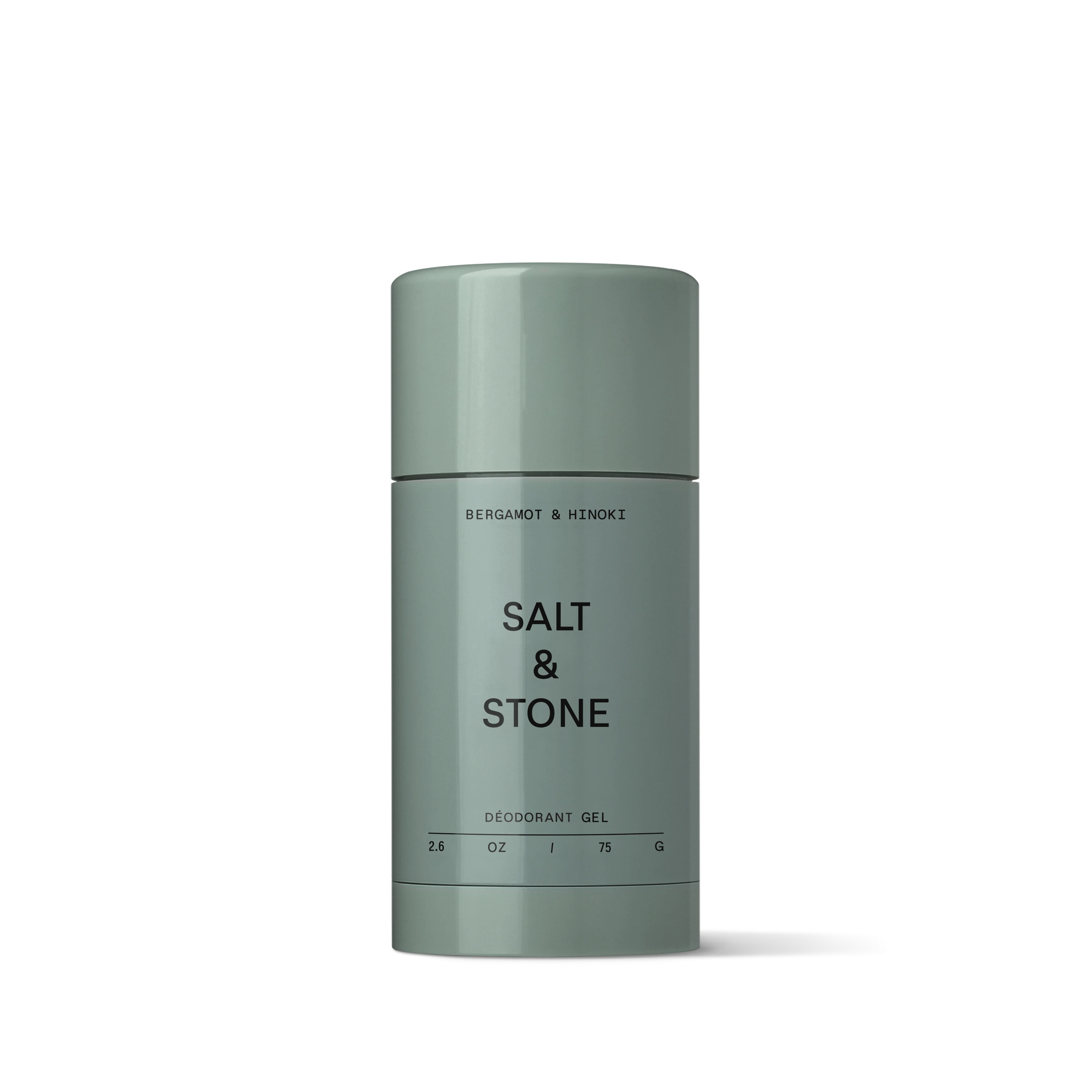
When shopping for a natural deodorant, look for products that list these ingredients prominently. Our Deodorant Trio, for example, features a blend of magnesium hydroxide, coconut oil, and essential oils for effective, long-lasting protection. If you prefer to sample different scents, the Mini Deodorant Discovery Set lets you test formulas before committing to a full size.
Natural Deodorant Benefits Beyond Odor Control
Switching to aluminum-free deodorant offers several advantages that go beyond simply smelling fresh:
- Skin health: Without aluminum or synthetic fragrances, natural deodorants are less likely to cause contact dermatitis or clog pores. Many users report fewer ingrown hairs and less irritation after shaving.
- Better sweat regulation: By not blocking sweat glands, your body can cool itself naturally. Some people find they sweat less over time as their skin adjusts.
- Environmentally friendly: Natural deodorants often come in recyclable or compostable packaging (e.g., paper tubes, glass jars) and avoid aluminum mining and processing.
- Clean ingredients: You avoid parabens, phthalates, and synthetic preservatives that can disrupt hormones or accumulate in the body.
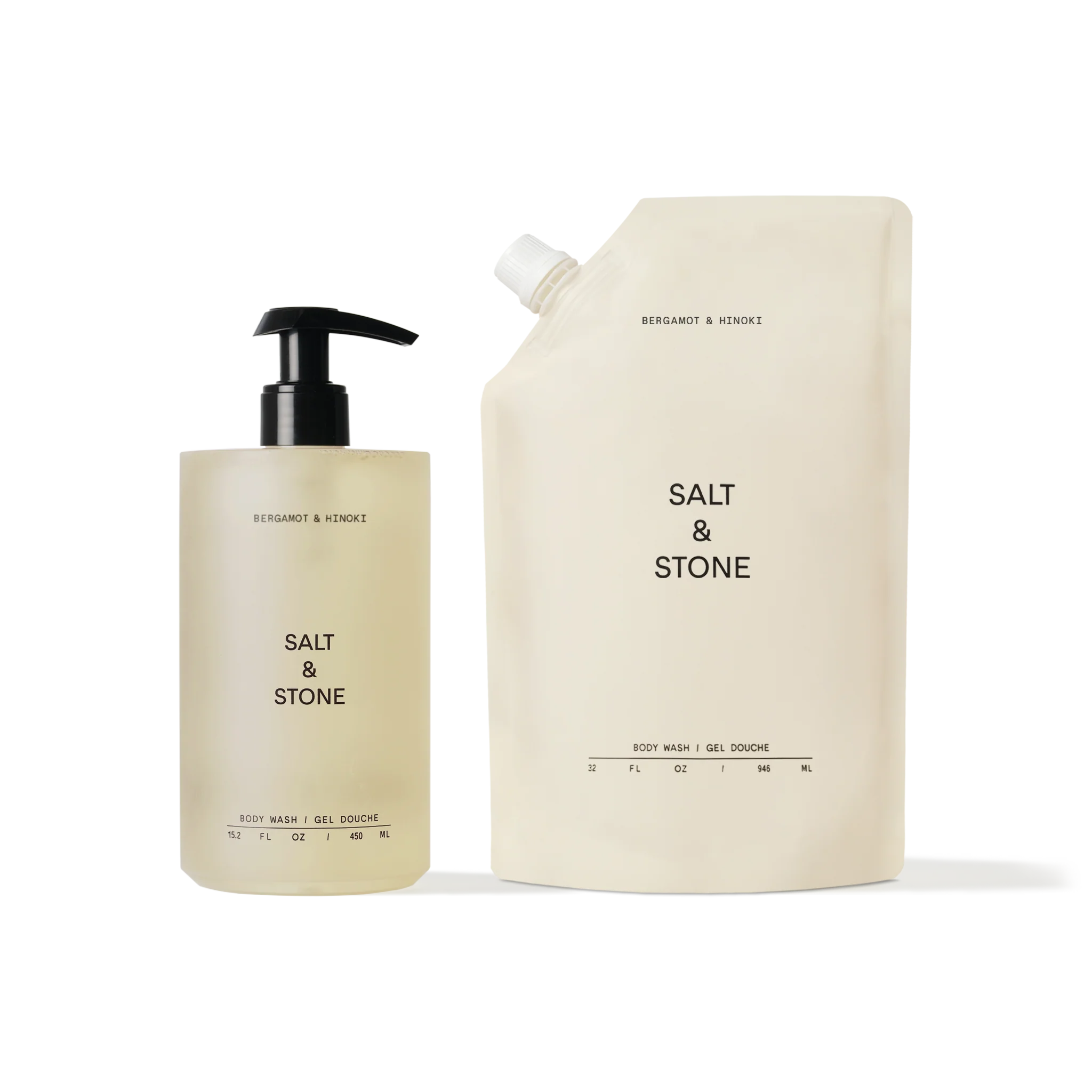
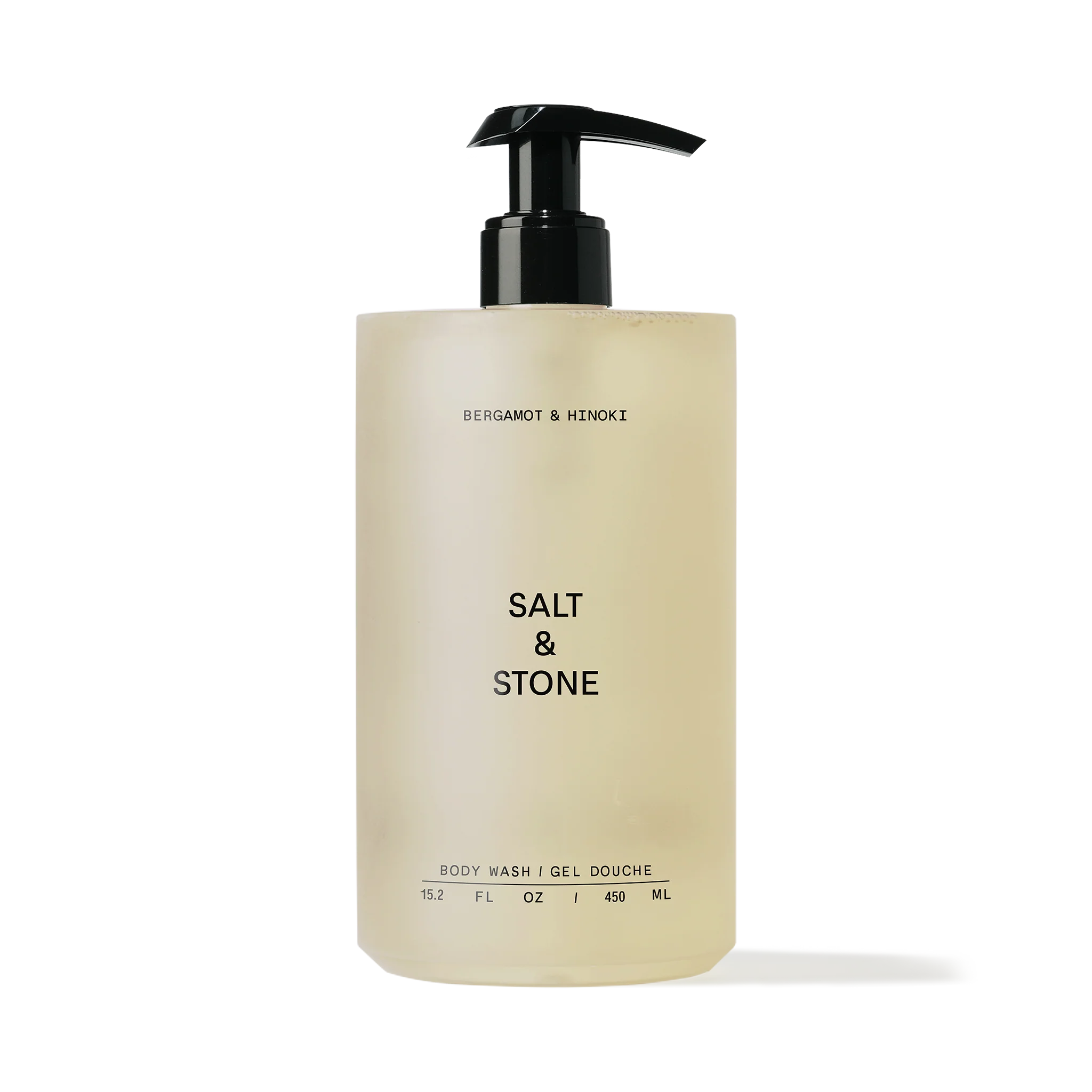
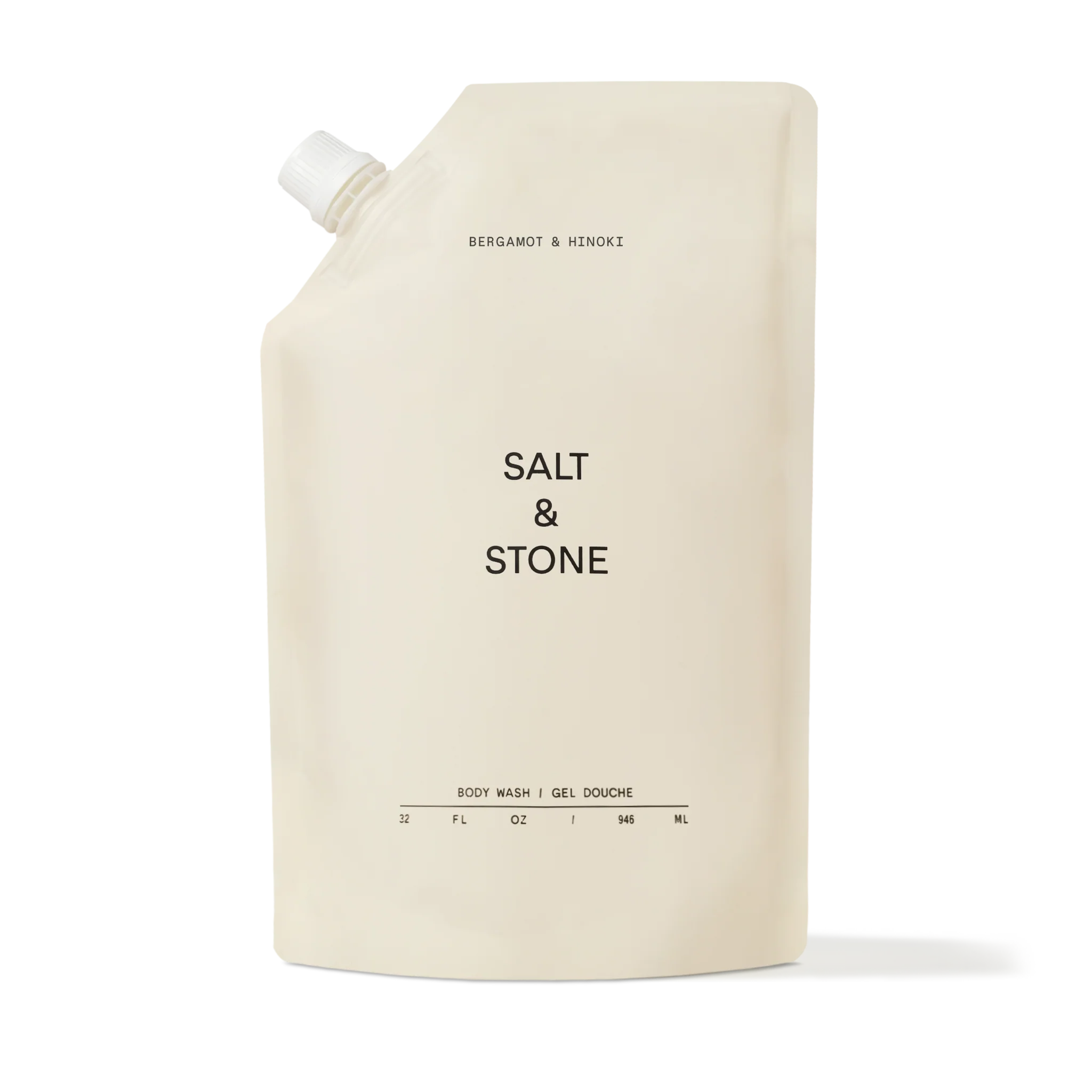
For those with sensitive skin, the transition period—often called the “detox phase”—can last two to four weeks. During this time, you may experience increased odor or wetness as your skin adjusts. This is normal and temporary. Using a gentle Body Wash Refill alongside your deodorant can help keep your underarm microbiome balanced during the switch.
Why Some Natural Deodorants Fail—and How to Choose a Winner
Not every natural deodorant delivers. Common complaints include skin irritation (often from baking soda), insufficient odor protection, or a gritty texture. The fix is to choose a formula that matches your body chemistry. For example:
- If you have sensitive skin, opt for a baking-soda-free version with magnesium hydroxide or zinc ricinoleate.
- If you sweat heavily, look for higher starch content (arrowroot, tapioca) and a creamy base that dries down to a powder.
- If you prefer fragrance-free options, select a product with only coconut oil or shea butter for scent.
Our Deodorant Trio is designed to cover all bases: it includes three different formulas (baking-soda-based, sensitive-skin, and extra-strength) so you can find your perfect match. The Mini Deodorant Discovery Set is another great starting point, offering travel-friendly sizes to test at home or on the go.
How to Transition to Natural Deodorant Successfully
Making the switch requires patience and a few smart strategies:
- Start on a weekend or during a low-stress period to manage any initial discomfort.
- Apply to clean, dry skin—preferably right after a shower. This ensures maximum absorption and effectiveness.
- Use a gentle exfoliant once a week to remove dead skin cells that can trap bacteria and odor.
- Stay hydrated and consider reducing spicy foods, which can affect sweat composition.
- Layer with other natural products for a complete routine. A Body Wash Refill made with essential oils can complement your deodorant’s scent while supporting skin health.
Many people find that after the adjustment period, their underarm skin feels healthier, they smell fresher for longer, and they no longer experience the yellow stains that antiperspirants leave on clothing.
The Future of Natural Deodorant
As consumer demand for clean beauty grows, the science behind natural deodorant continues to evolve. Brands are now using probiotic strains to balance the skin microbiome, encapsulated essential oils for longer-lasting fragrance, and biodegradable packaging to reduce waste. The market is moving toward personalized formulas—deodorants tailored to your sweat type, activity level, and scent preferences. What hasn’t changed is the core principle: effective odor control without compromising your body’s natural processes. Whether you’re a long-time convert or curious newcomer, the evidence is clear—natural deodorant works, and it’s here to stay.
Your Next Step: Find Your Perfect Natural Deodorant
Ready to experience the science of aluminum-free freshness for yourself? Start with our Mini Deodorant Discovery Set—it’s the easiest way to explore different formulas and find your ideal match without commitment. Your underarms will thank you.