Deodorant vs. Antiperspirant: Why Natural Deodorant Wins for Health and Odor Control
By Saltandstoneonline | Published: 2026-05-31
Category: Product Reviews
Discover the key differences between deodorant and antiperspirant, and learn why switching to a natural, aluminum-free deodorant is better for your body and odor control.
When it comes to body odor control, the debate between deodorant and antiperspirant has never been more relevant. For decades, antiperspirants dominated store shelves with promises of all-day dryness, but growing awareness about aluminum compounds, parabens, and synthetic fragrances has shifted the conversation toward natural alternatives. Today, more people are asking: What’s the real difference between deodorant and antiperspirant? And is natural actually better? In this comprehensive guide, we’ll break down the science, ingredients, and benefits of each, and explain why switching to a natural deodorant — like those from Saltandstoneonline — can improve your skin health and overall well-being.
What Is Antiperspirant? How Does It Work?
Antiperspirants are designed to stop sweat at the source. They contain aluminum-based compounds (such as aluminum chloride, aluminum chlorohydrate, or aluminum zirconium) that temporarily plug the sweat ducts. When applied, these compounds form a gel-like plug that physically blocks sweat from reaching the skin’s surface. This mechanism effectively reduces perspiration by up to 20–30% in the underarm area. While this might sound appealing, the long-term health implications of chronic aluminum exposure are a growing concern. Studies have linked aluminum to potential endocrine disruption and even breast cancer risks, though more research is needed. Additionally, antiperspirants often include parabens, phthalates, and synthetic fragrances that can irritate sensitive skin.
What Is Deodorant? How Does It Work?
Deodorants, on the other hand, do not prevent sweating. Instead, they target the bacteria that cause body odor. Sweat itself is mostly odorless; it’s the bacteria on your skin that break down sweat into fatty acids and ammonia, producing that characteristic smell. Natural deodorants use antibacterial ingredients — such as baking soda, arrowroot powder, coconut oil, and essential oils — to neutralize odor-causing bacteria while allowing your body to sweat naturally. Many also include natural absorbents like tapioca starch or zinc oxide to keep underarms dry without blocking pores. This approach respects your body’s natural cooling mechanism while keeping you fresh all day.
Key Differences at a Glance
| Factor | Antiperspirant | Natural Deodorant |
|---|---|---|
| Primary Function | Blocks sweat ducts | Neutralizes odor-causing bacteria |
| Active Ingredients | Aluminum compounds, parabens, silicones | Baking soda, arrowroot, essential oils, coconut oil |
| Effect on Sweat | Reduces or stops sweat | Allows natural sweating |
| Skin Sensitivity | Can cause irritation, rashes, or clogged pores | Generally gentler, but some users may be sensitive to baking soda |
| Long-Term Health Concerns | Potential aluminum absorption, endocrine disruption | No known risks; free of harsh chemicals |
| Environmental Impact | Often in plastic containers with non-recyclable components | Often packaged in glass, paper, or compostable materials |
Why Natural Deodorant Is Better for Your Body
Switching to a natural deodorant — especially an aluminum-free option — offers several compelling benefits:
- Aluminum-Free: Avoiding aluminum compounds reduces your body’s exposure to a neurotoxin that has been linked to breast cancer and Alzheimer’s disease in some studies.
- Supports Natural Detox: Your body sweats to regulate temperature and eliminate toxins. Blocking sweat ducts may interfere with this process.
- Gentle on Sensitive Skin: Many natural deodorants use soothing ingredients like shea butter, aloe vera, and chamomile to calm the underarm area.
- Eco-Friendly: Natural brands often prioritize sustainable packaging, such as glass jars or paper tubes, reducing plastic waste.
- No Harsh Chemicals: Free from parabens, phthalates, synthetic fragrances, and propylene glycol — all common in conventional antiperspirants.
How to Transition to a Natural Deodorant
If you’ve been using antiperspirant for years, your body may need a transition period (usually 2–4 weeks) to adjust. During this time, you might notice increased sweating or odor as your sweat glands unclog and your microbiome rebalances. Here are tips for a smooth switch:
- Start on a weekend when you can stay home and let your body adjust.
- Exfoliate gently once a week to remove buildup from old antiperspirant residue.
- Apply at night — natural deodorants often work better when applied to clean, dry skin before bed.
- Use a detox mask (e.g., bentonite clay and apple cider vinegar) once a week to draw out impurities.
- Layer with a body lotion that contains antibacterial ingredients like tea tree or lavender to boost effectiveness.
Choosing the Right Natural Deodorant for You
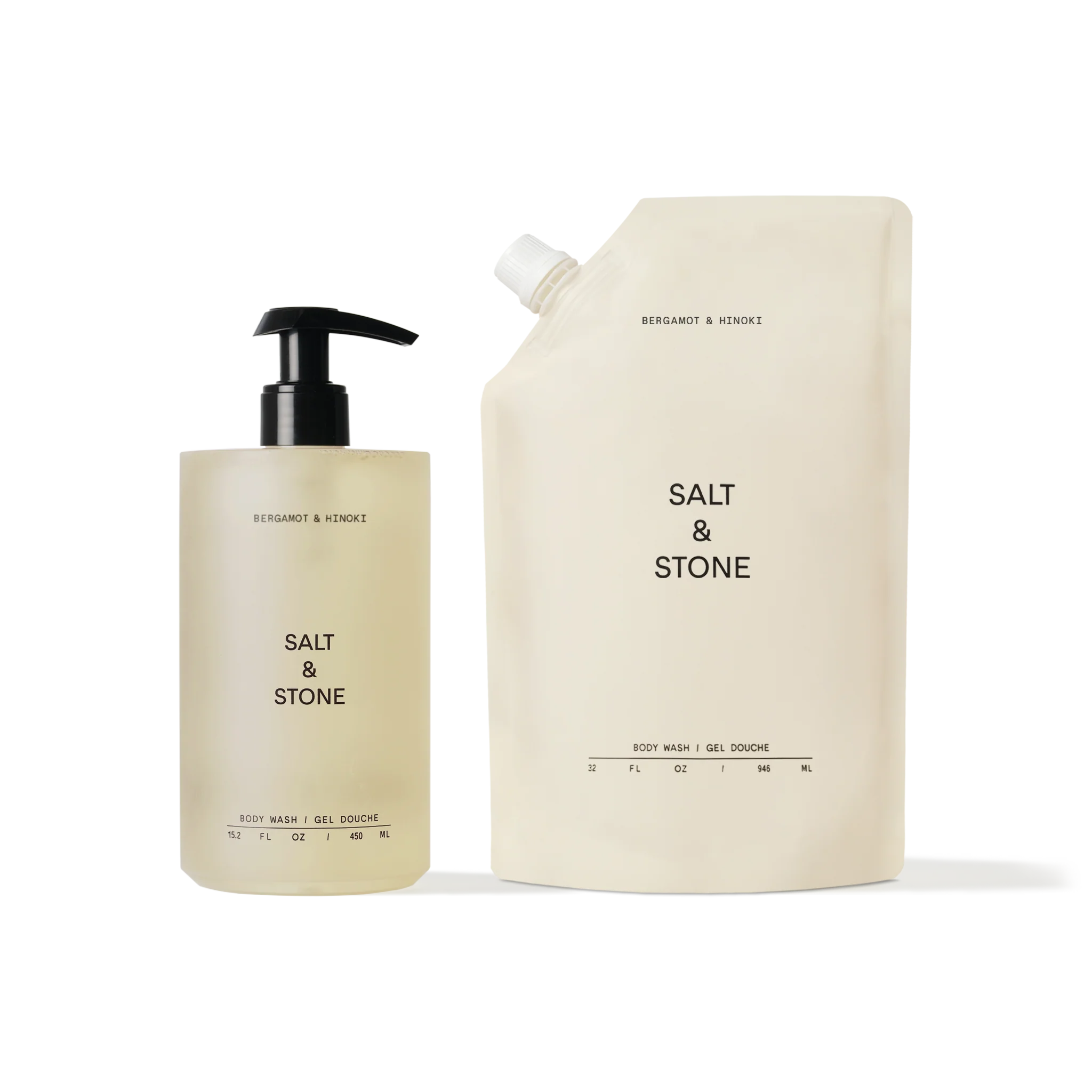
Not all natural deodorants are created equal. Some formulas use baking soda, which can be too harsh for sensitive skin. Others rely on magnesium hydroxide or zinc oxide for gentler odor control. At Saltandstoneonline, we offer a curated selection of deodorants that cater to different preferences. For example, our Deodorant Trio lets you sample three unique scents — from fresh Bergamot & Hinoki to warm Santal & Vetiver — so you can find your perfect match without committing to a full-size product. If you’re looking for a complete body care routine, pair your deodorant with a matching body wash and lotion. The Full Body Set includes a full-size deodorant, body wash, and body lotion in one cohesive fragrance family, making scent layering effortless.
Common Myths About Natural Deodorant
- Myth: “Natural deodorant doesn’t work.” Truth: It works differently — by neutralizing bacteria rather than stopping sweat. When used correctly, it’s highly effective for most people.
- Myth: “You’ll smell bad without antiperspirant.” Truth: Many users report that after the adjustment period, they actually smell better because their natural microbiome is healthier.
- Myth: “All natural deodorants are the same.” Truth: Ingredients vary widely. Some use baking soda, others use arrowroot or magnesium; some are scented, others unscented. It’s worth experimenting.
How to Maximize Odor Control with Natural Deodorant
To get the best results from your natural deodorant, follow these tips:
- Apply to clean, dry skin. Moisture can reduce adhesion and effectiveness.
- Use a small amount. A pea-sized dab is enough for each underarm.
- Reapply if needed after intense exercise or long days.
- Combine with a body mist for a fresh boost throughout the day.
- Stay hydrated — water helps dilute sweat and reduce odor concentration.
Why Saltandstoneonline’s Deodorants Stand Out
Our deodorants are crafted with clean, skin-loving ingredients: shea butter for moisture, arrowroot powder for absorption, and essential oils for natural fragrance. They are free from aluminum, parabens, and synthetic fragrances. Each scent is designed to complement our body washes, lotions, and mists, so you can build a signature routine. Whether you prefer the bright citrus of Bergamot & Hinoki or the deep, earthy notes of Saffron & Cedar, you’ll find a deodorant that aligns with your values and lifestyle.
Conclusion: Make the Switch Today
Choosing between deodorant and antiperspirant ultimately comes down to your priorities. If you value long-term health, natural ingredients, and eco-conscious living, natural deodorant is the clear winner. It allows your body to function as nature intended while keeping you fresh and confident. Ready to upgrade your body care routine? Explore our Deodorant Trio to discover the perfect natural deodorant for your skin. With three scents to try, you’re just a few swipes away from a cleaner, healthier underarm experience.